The "Porcellino" of Florence

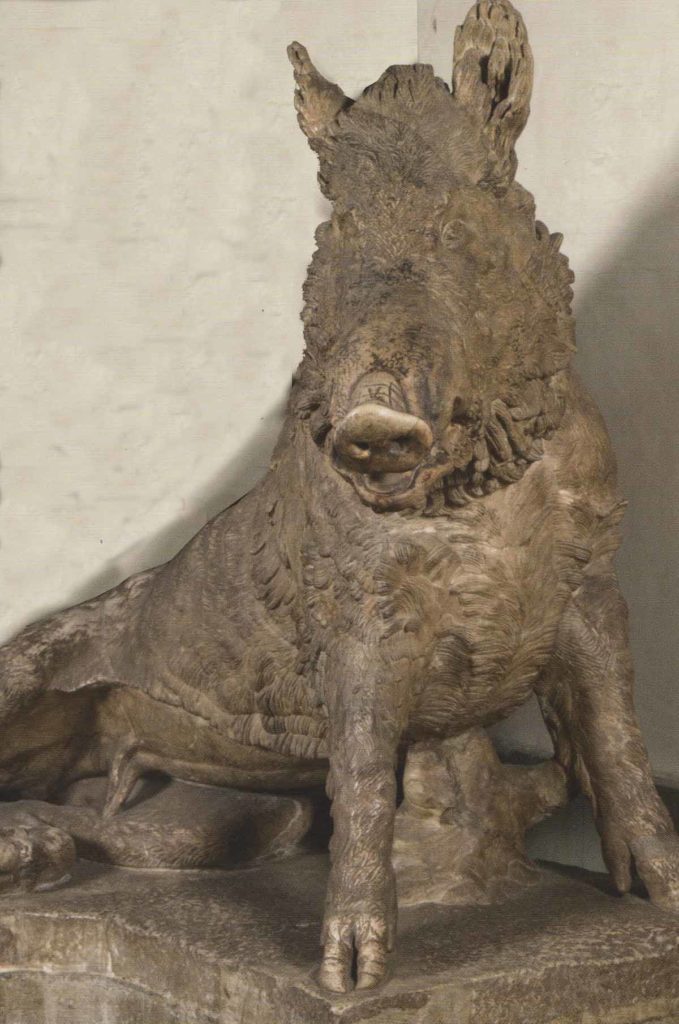
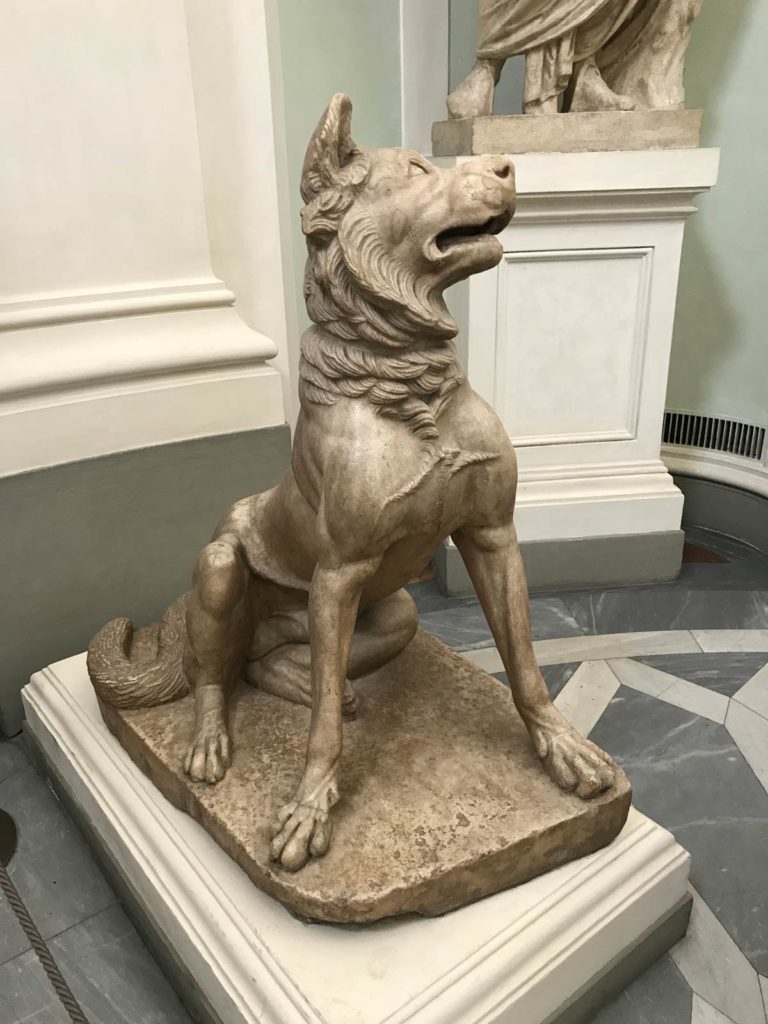
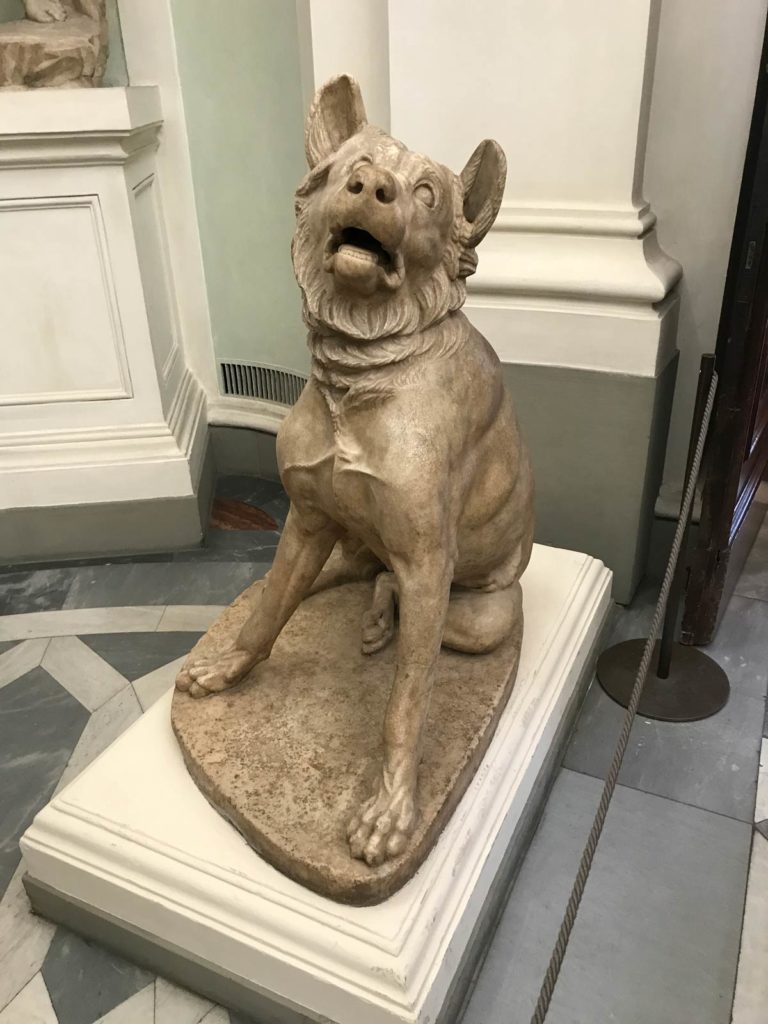
The marble boar, Roman replica

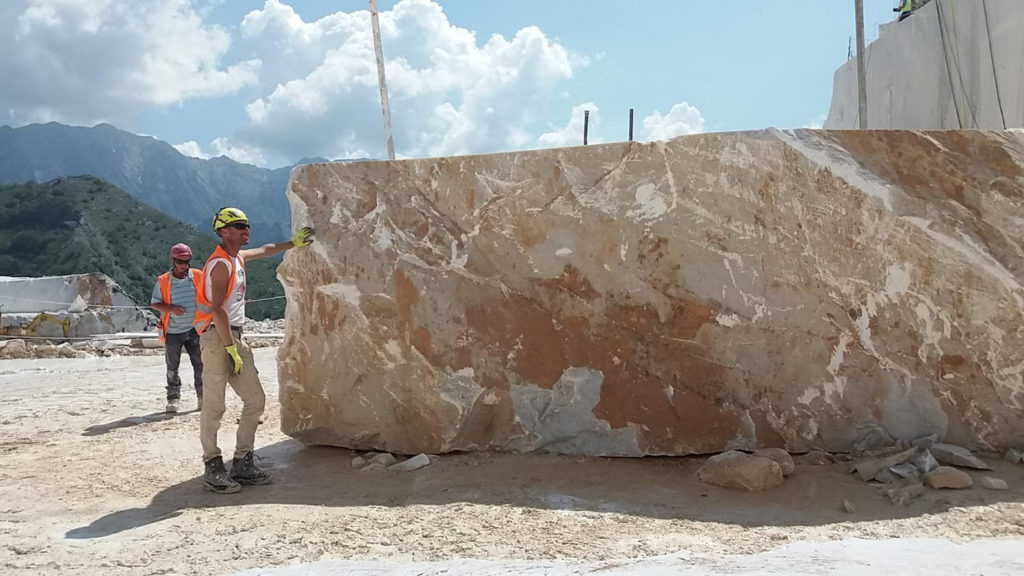
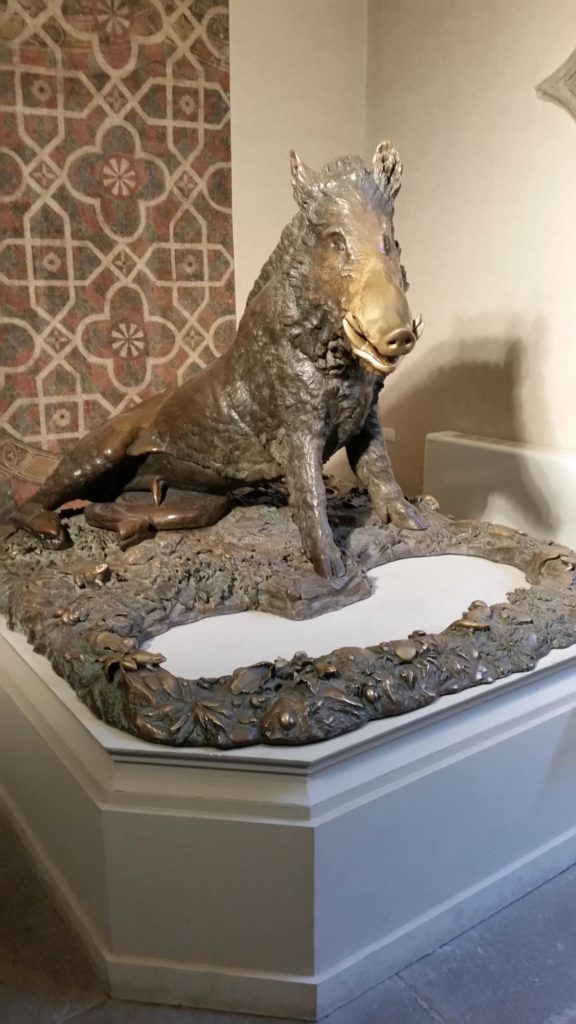
The bronze boar of the fountain of the Loggia del Mercato Nuovo in Florence, was immediately nicknamed, with the typical Florentine irony, “il Porcellino” (the small pig). It all began with the visit that Cosimo I dei Medici made in 1560 to Pope Pius IV. Not only did Cosimo become passionate about antiquities, but he received as a gift from the Pope the Roman marble replica of a Greek bronze boar of the III century BC. excavated in Rome

together with two marble mastiff dogs. And he took them to Florence, to his new home in Palazzo Pitti (later they were taken to the Uffizi Gallery).

The envious nephew and the bronze replica

Years later his nephew Cosimo II ordered to the sculptor Pietro Tacca, a pupil of Giambologna, a bronze replica of the marble Porcellino to be brought back to Palazzo Pitti. Tacca executed the mold in 1612 and in 1633 he cast it in bronze with the lost wax technique.

The bronze has tired me, let's put it in the square!
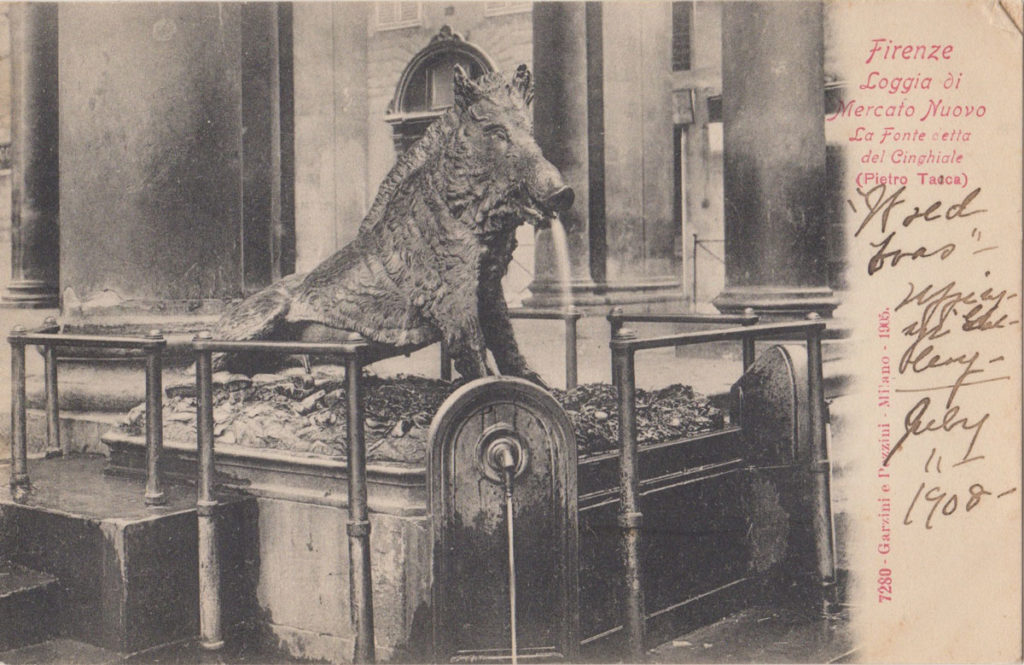
In 1640 it was decided to transform the sculpture into a fountain for the population of Florence, and was installed on the side of the open gallery of the New Market (Loggia del Mercato Nuovo). First, however, Tacca modeled the sculpture of the base by simulating a portion of grass populated by grasses, reptiles, insects, which was cast with the lost wax technic with the animal.

The poor pig loses his face

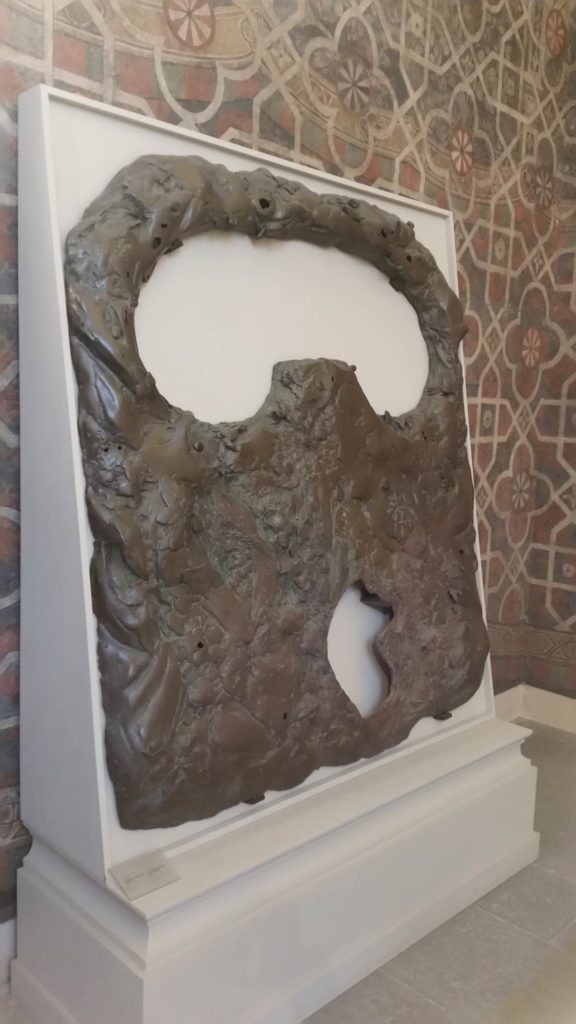
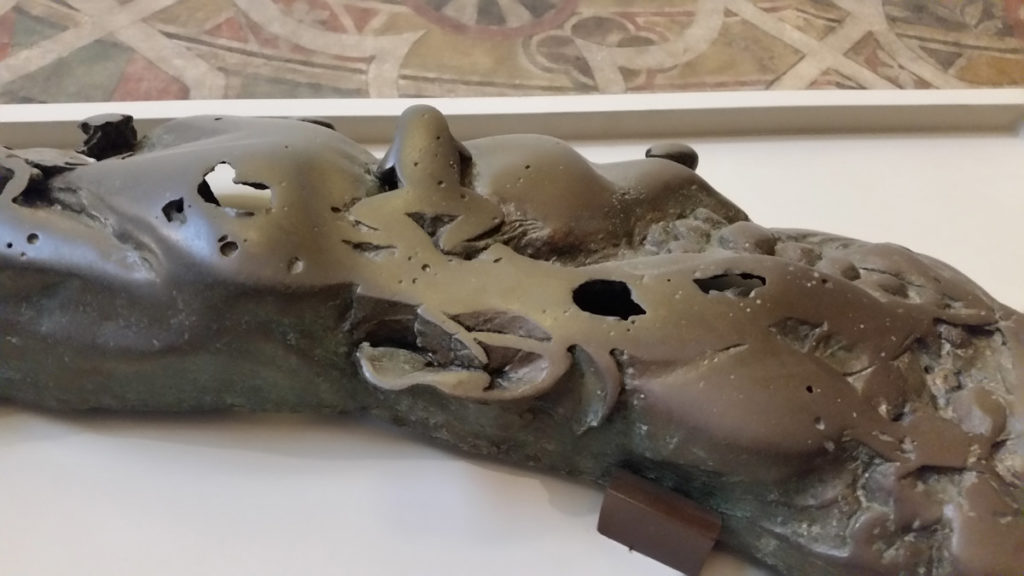
The continuous withdrawal from the water for two centuries without respect for the monument led to a heavy wear of both the base and the snout of the Porcellino (Bardini Museum, Florence),

so much so that in the mid-nineteenth century it was decided to perform a new replica to replace the original fountain. A mold on the worn and deteriorated bronze was made, which was brought back to its original state in wax, including the base, from which a second bronze replica was obtained which replaced the first one (preserved at the Bardini Museum too), cast with the lost in wax technic in 1857 by the foundry of Clemente Papi, direct heir of the Renaissance foundry artisans.

Other than Trevi Fountain!

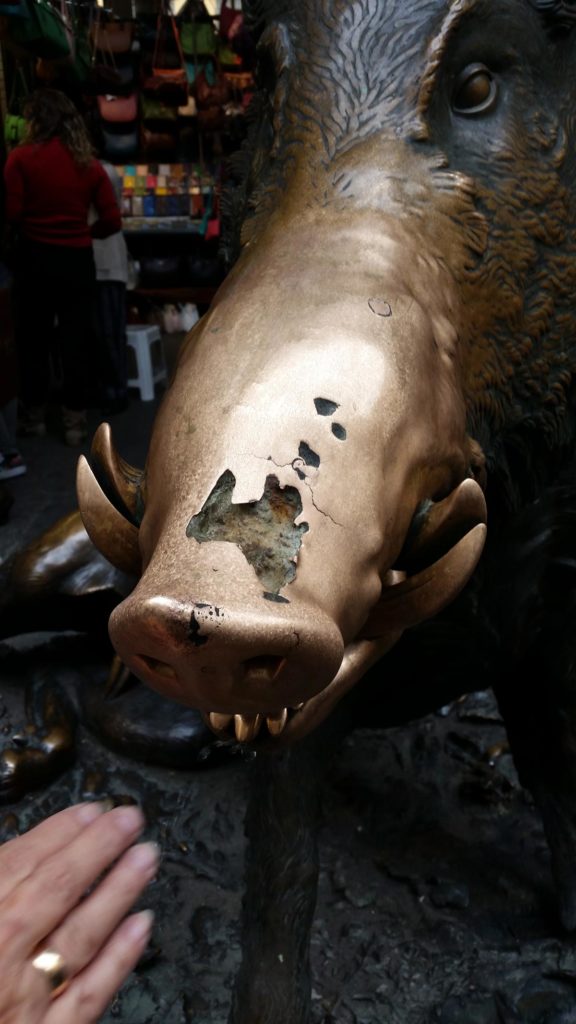
From the end of the 19th century the Porcellino had become one of the most admired symbols of the city of Florence, and the legend was born that those who had touched its nose would return to Florence, just as for Rome throw a coin in the Trevi fountain. The number of tourists began to increase dramatically, and the snout of the boar began to worsen in a worrying manner, as well as the sculpted base on which many climbed blissfully unmindful of the damage produced to the bronze.

Our heroes arrive !

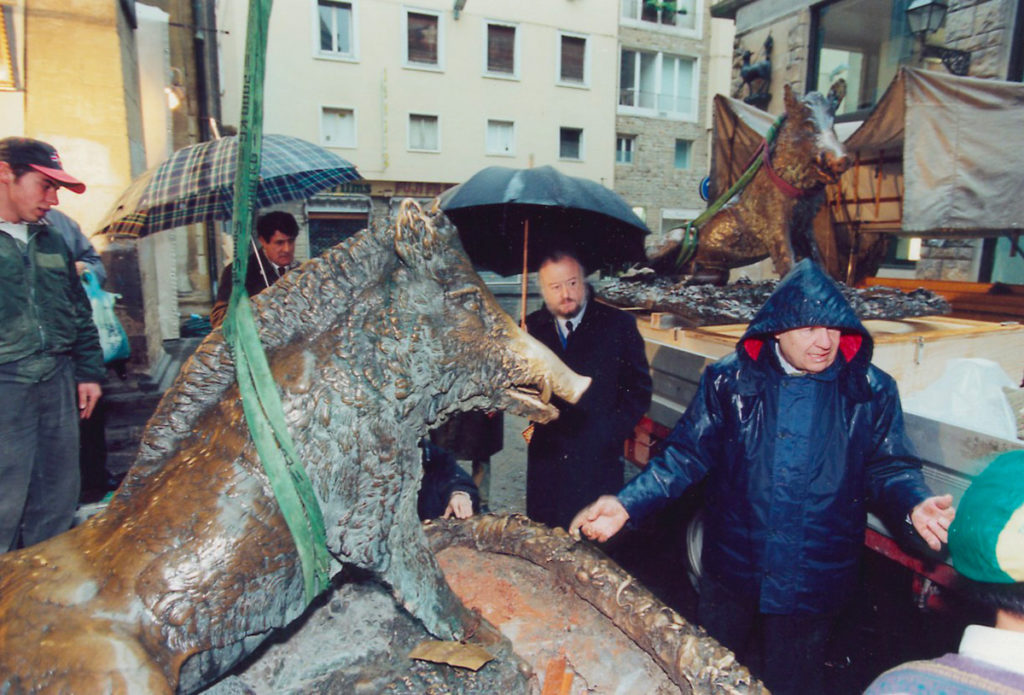
So it was that in 1998 The “Porcellino” and its base were replaced another time: a new replica was ordered to the Foundry Ferdinando Marinelli of Florence, which in its plaster molds collection preserves the mold made on the original, which replaced the nineteenth-century replica.

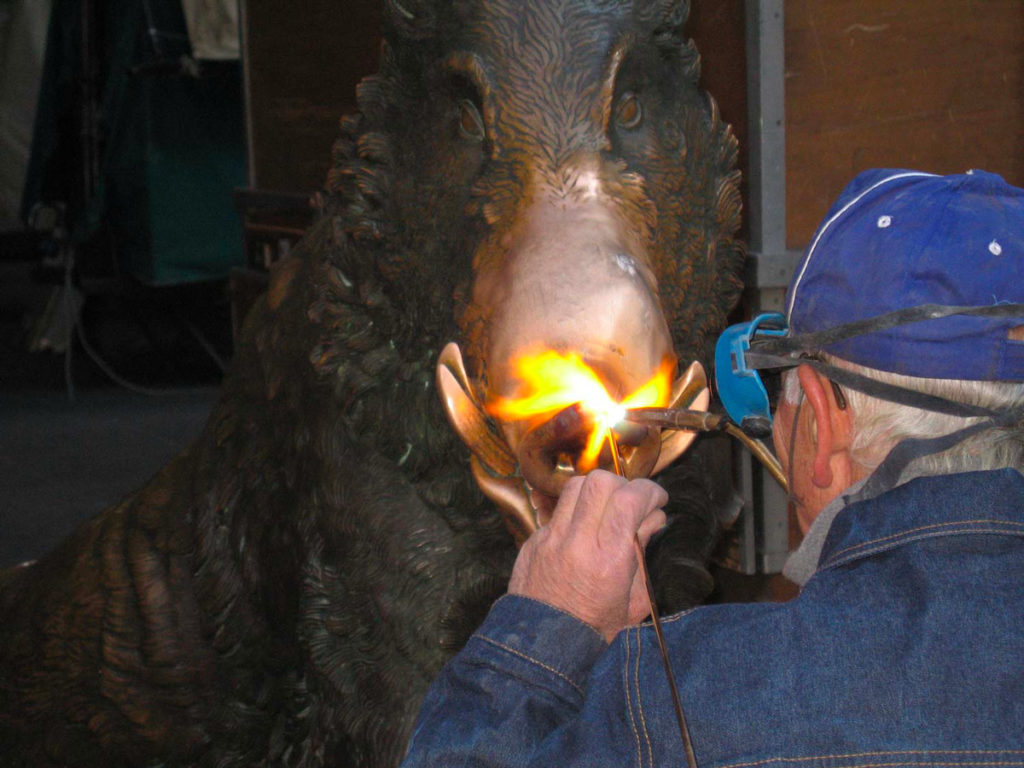
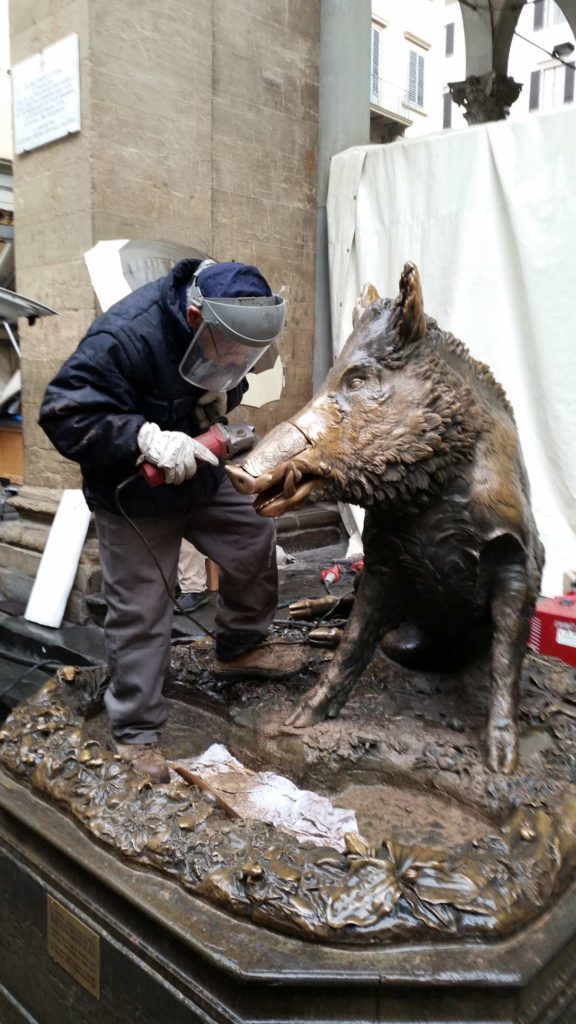
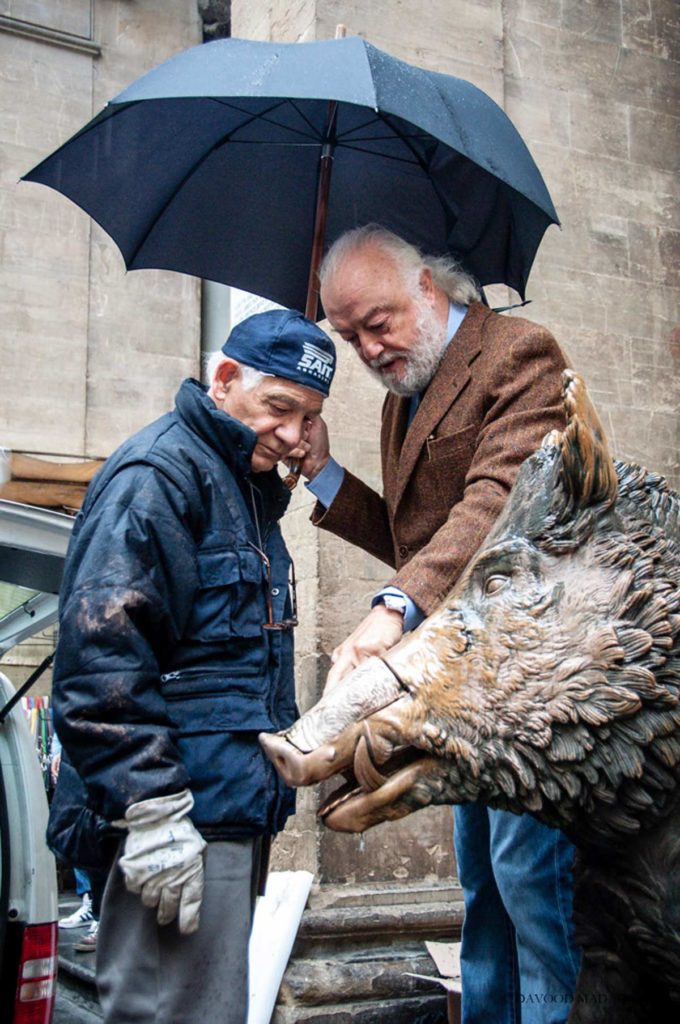
But the violent “caresses” of the tourists abrased and consumed also the bronze snout of the new Porcellino that the artisans of the Foundry Ferdinando Marinelli had to first re-heat,

and, later, even replace with a the upper part of the animal’s muzzle recast.


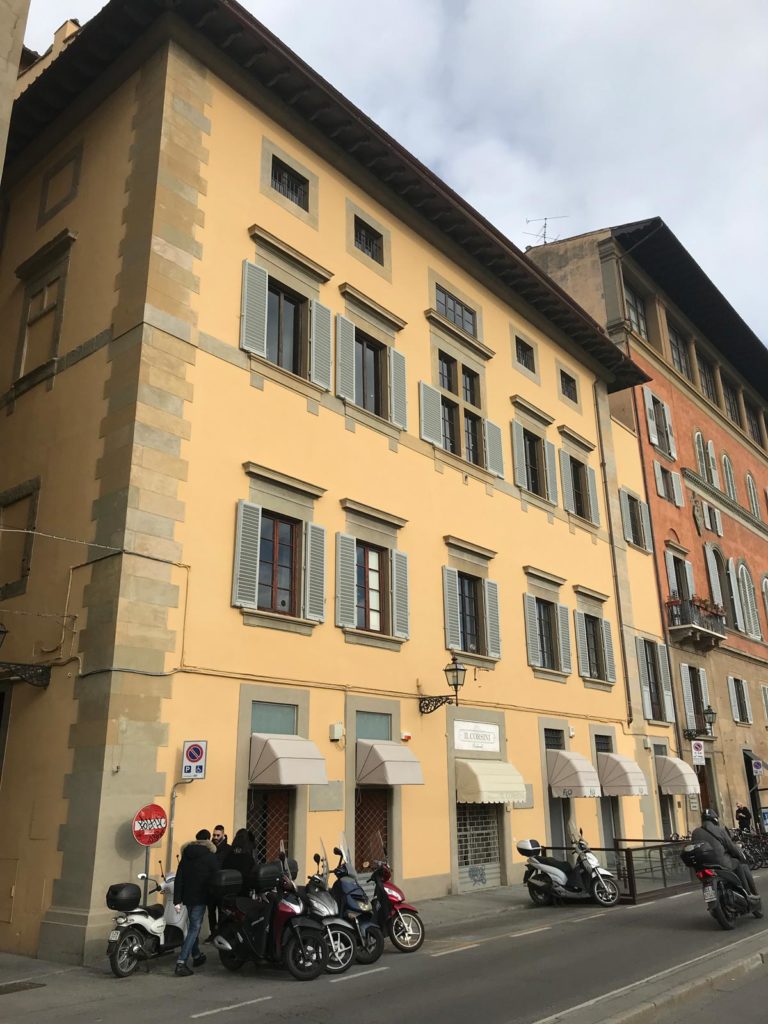
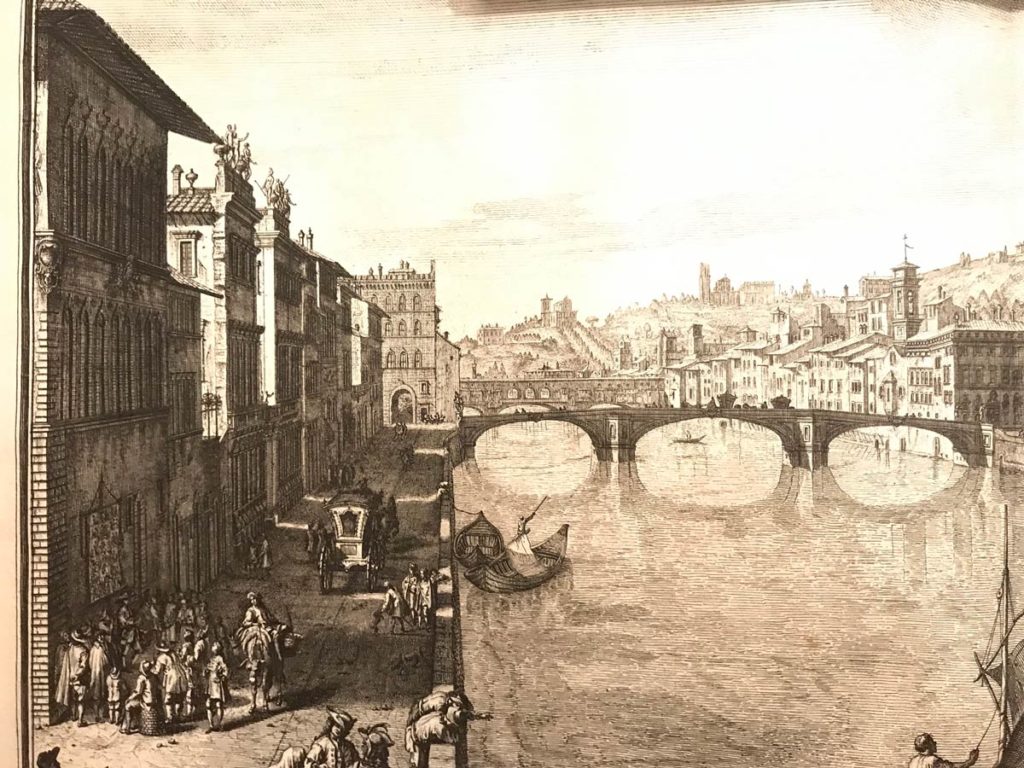
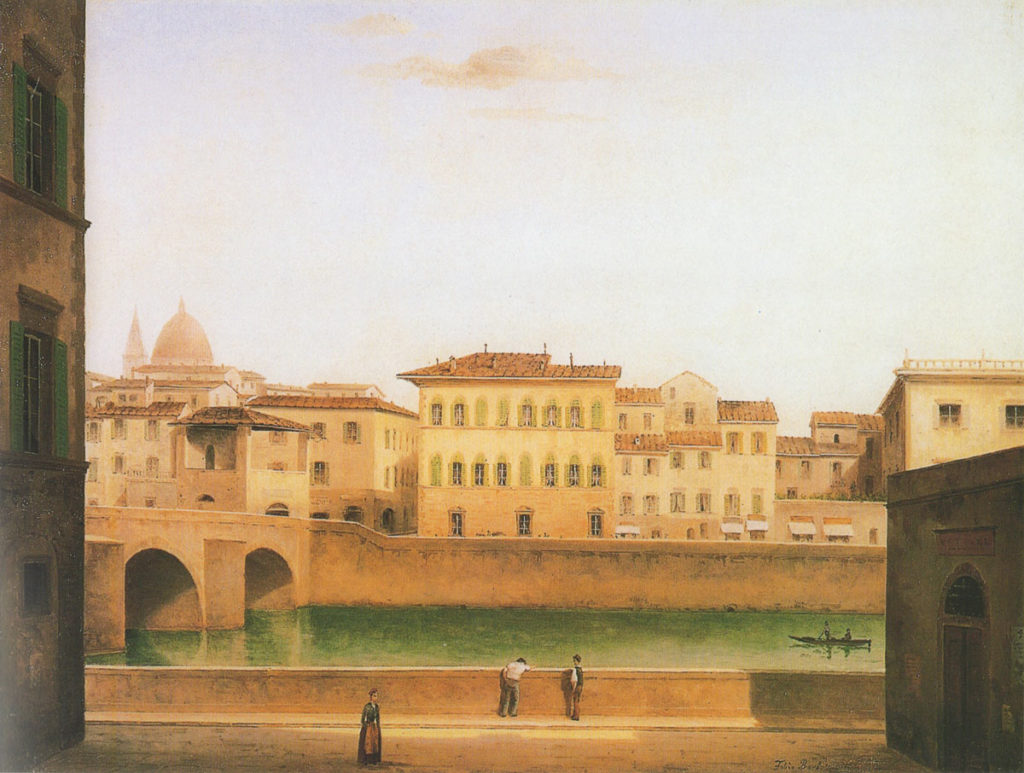
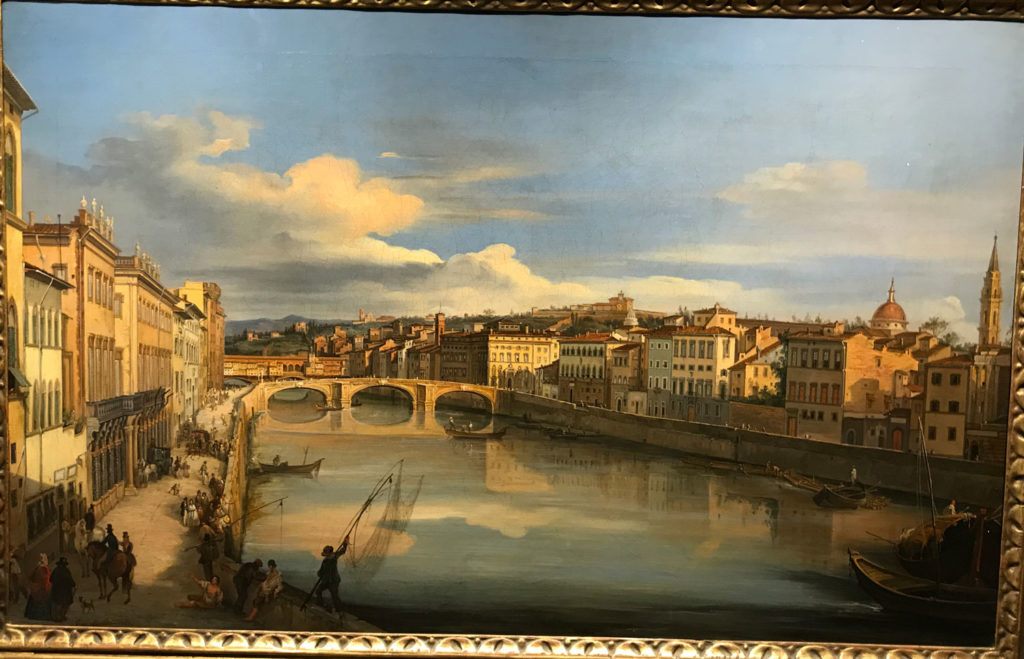
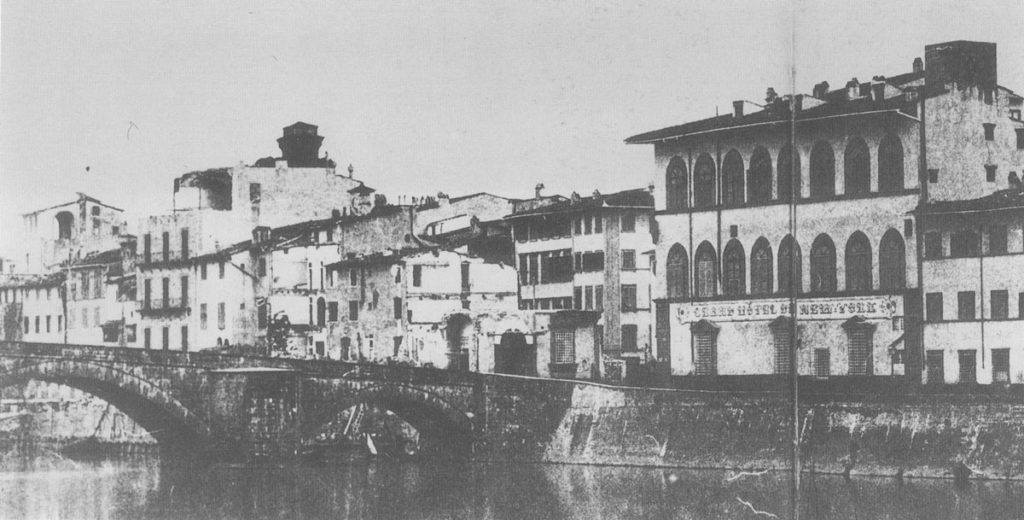
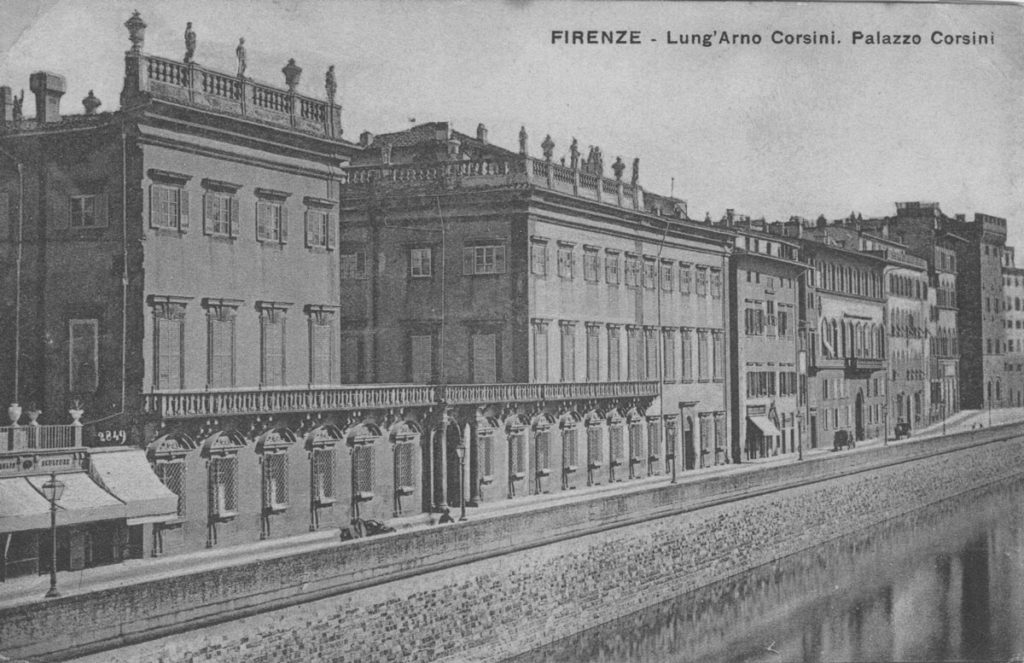
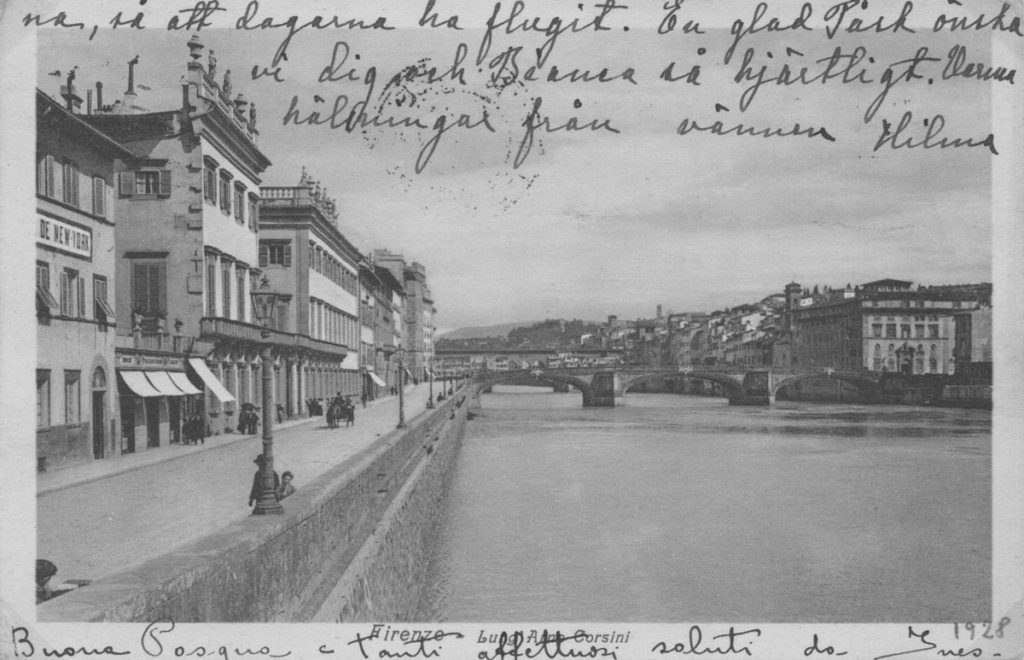
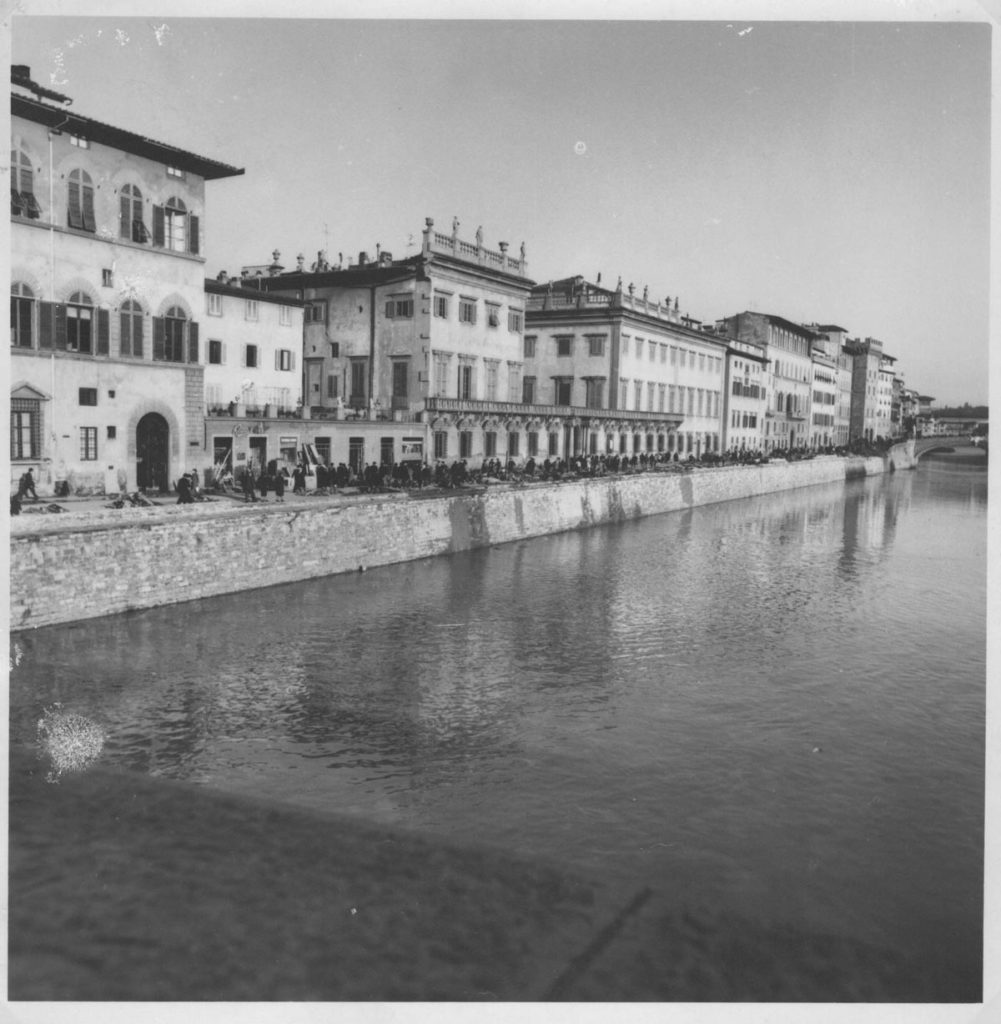
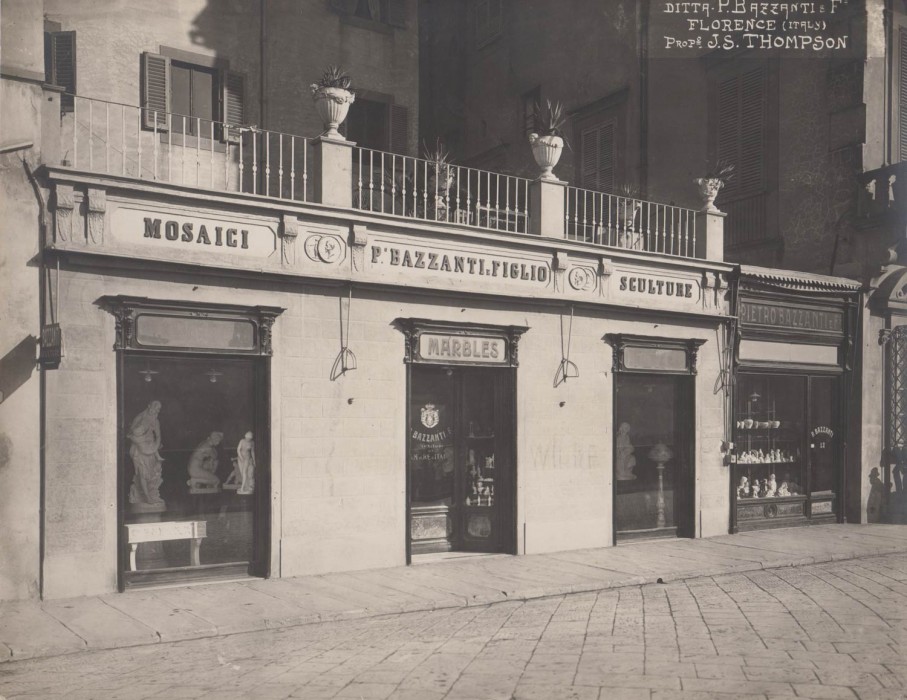
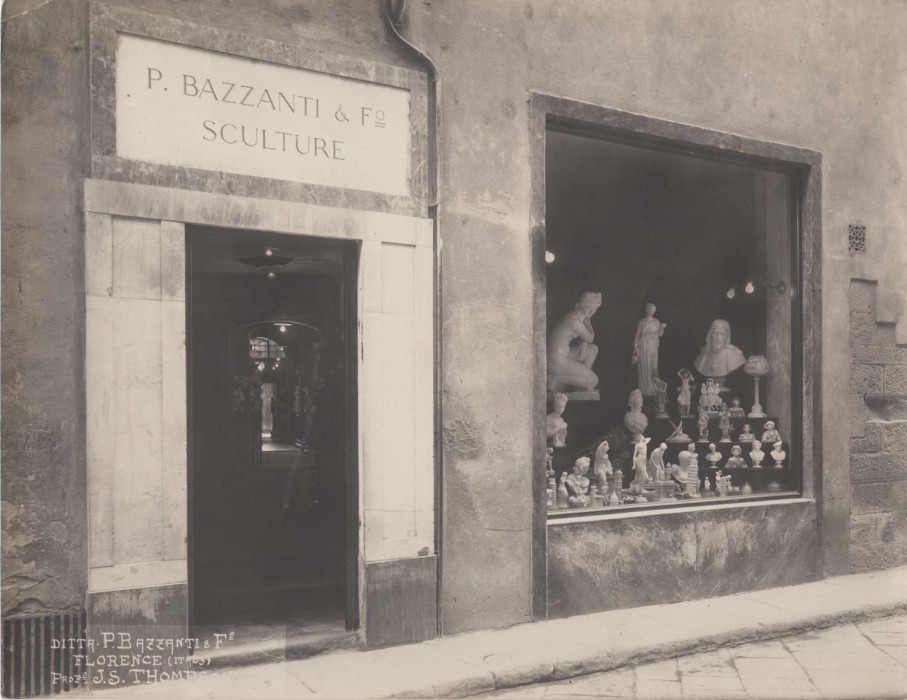
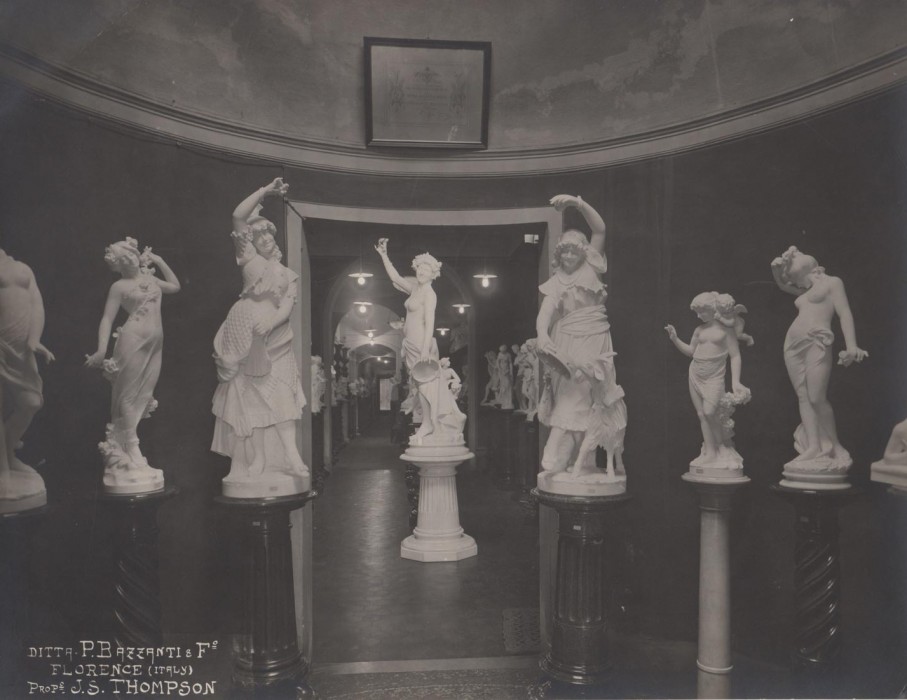
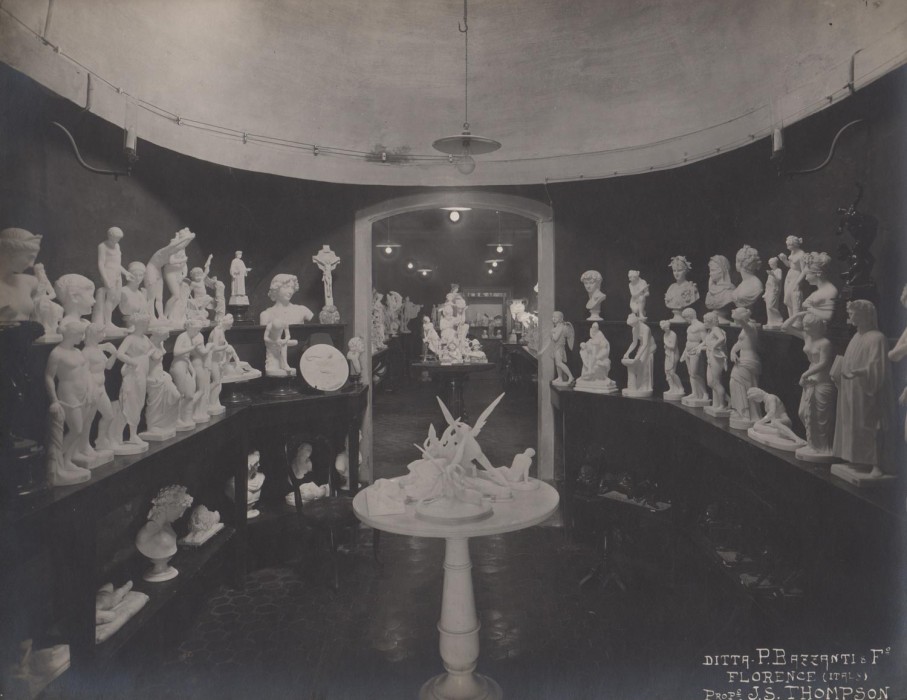
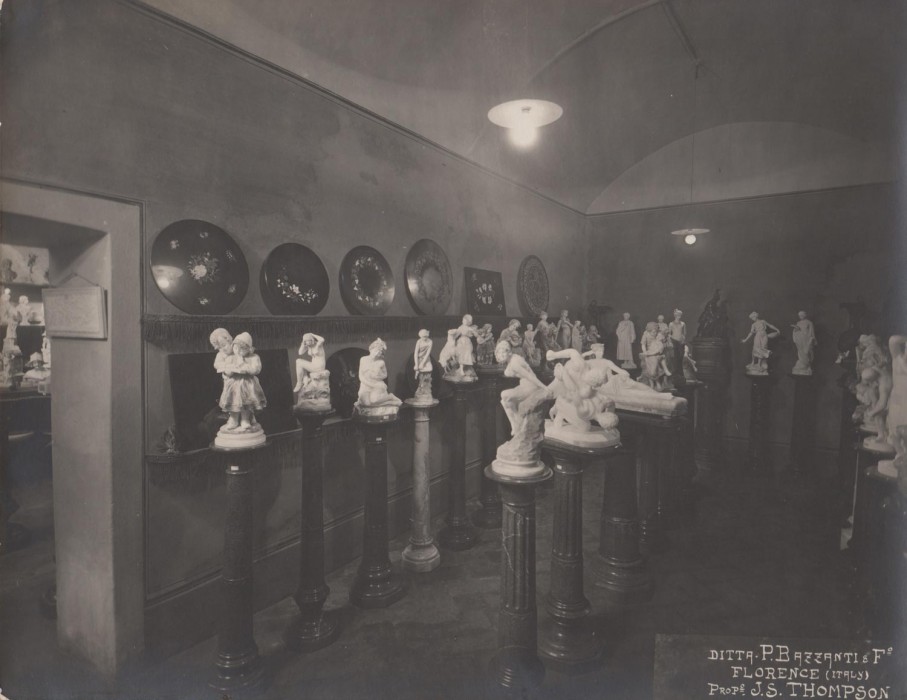
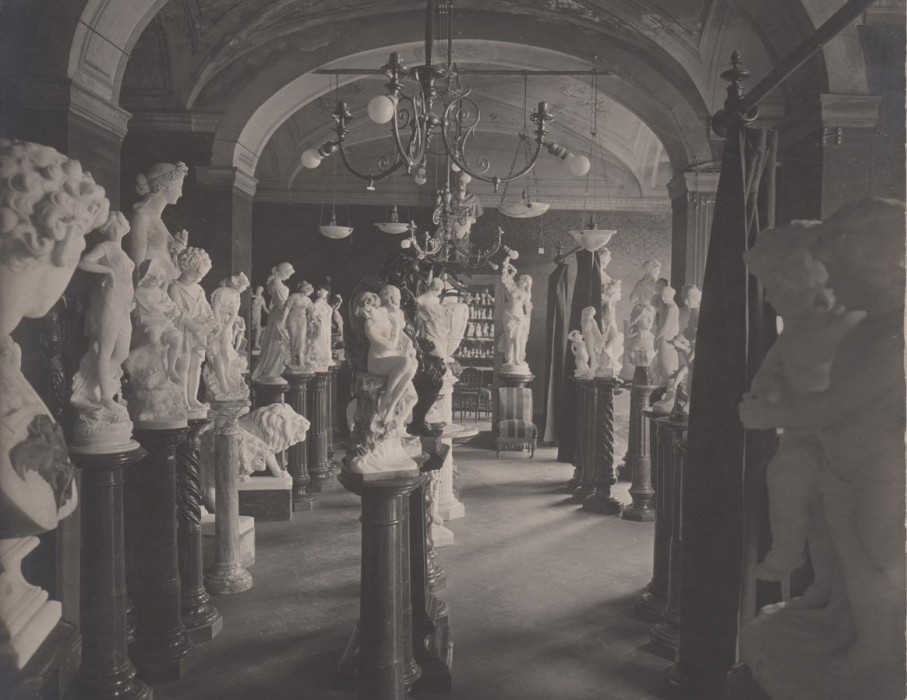
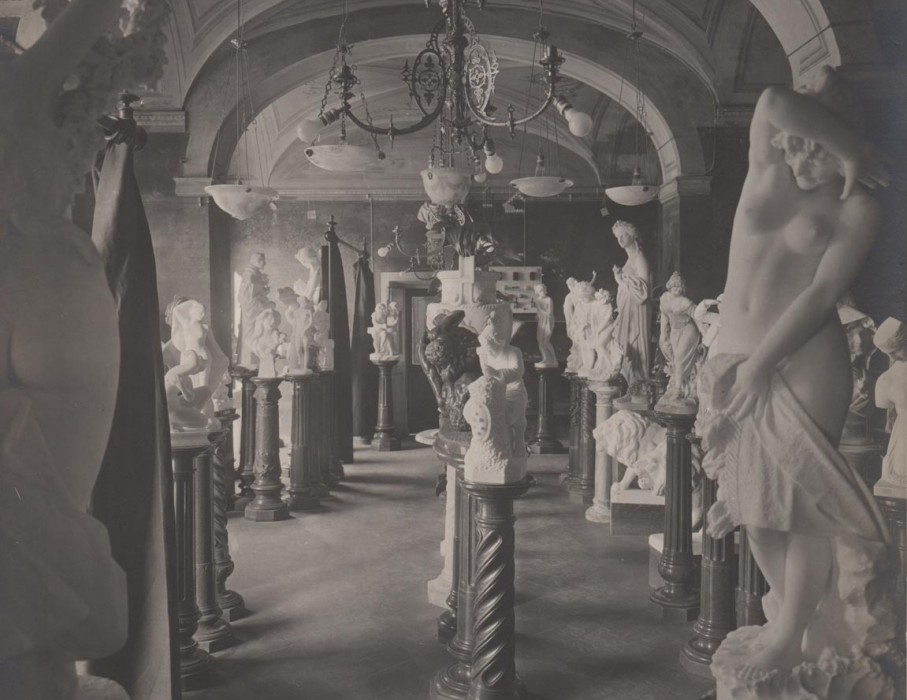
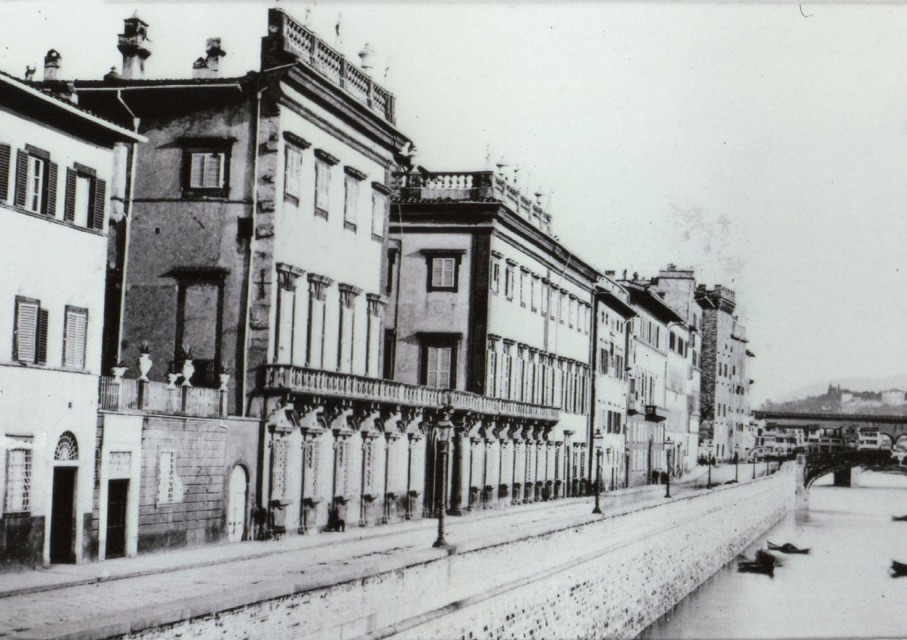
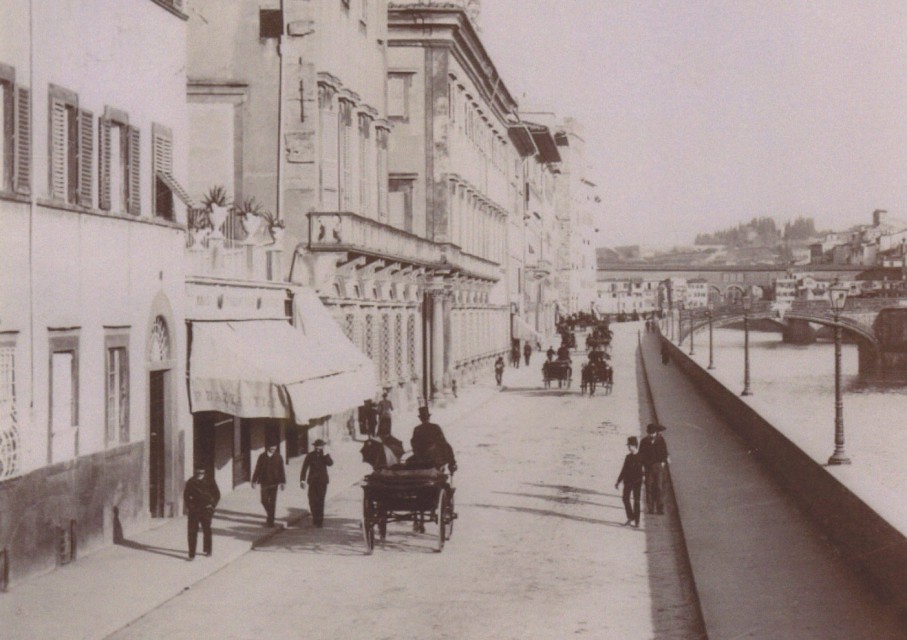
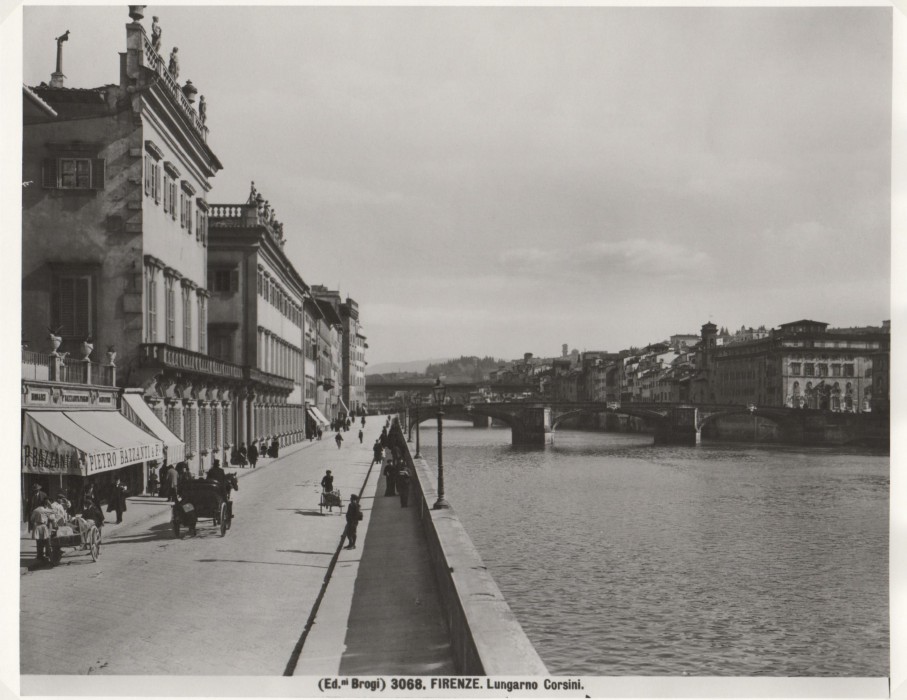
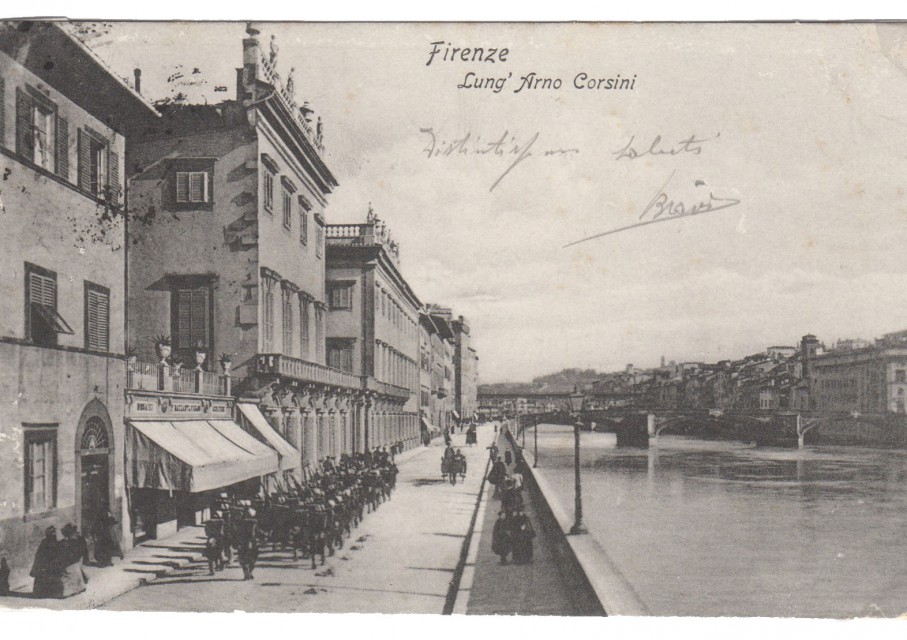
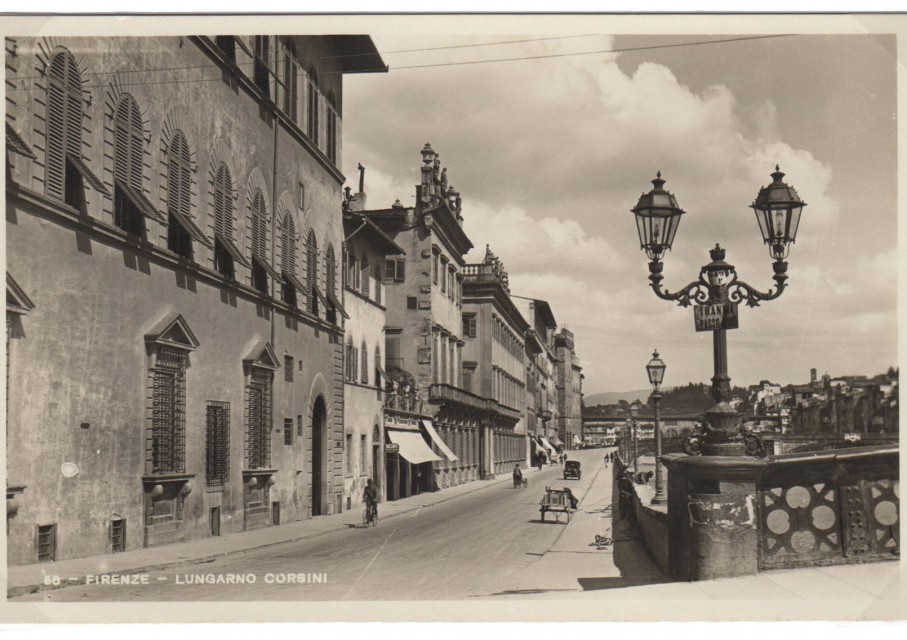
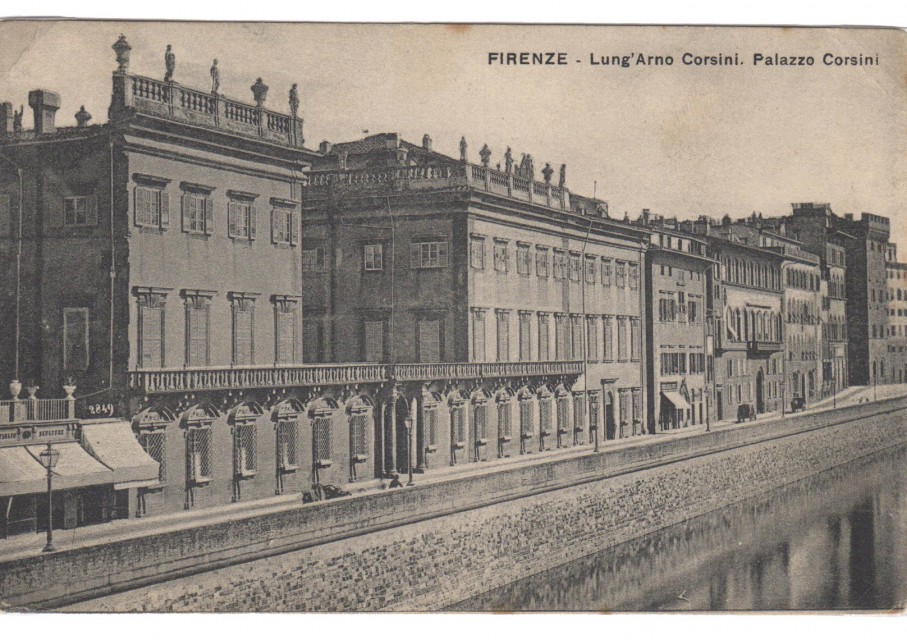
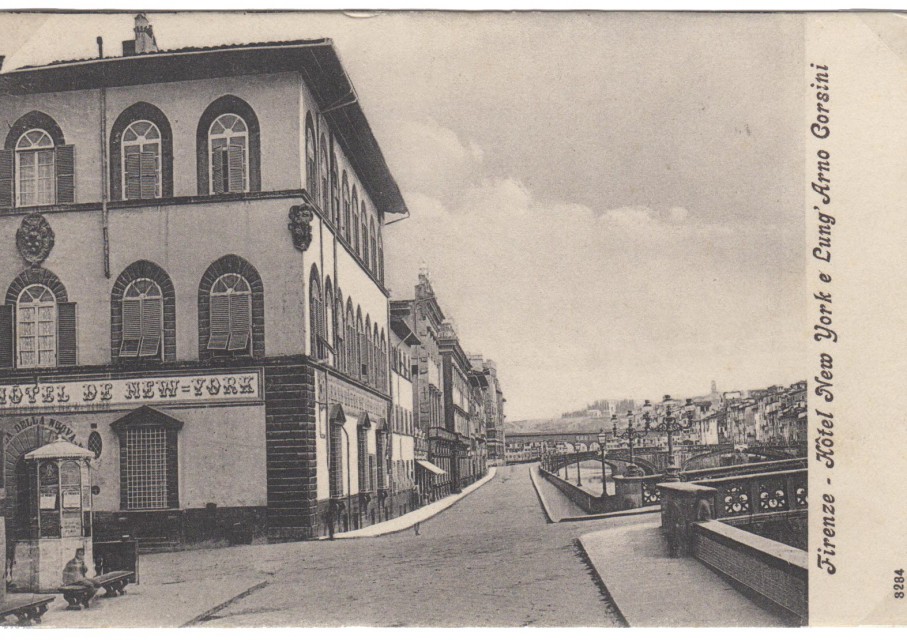
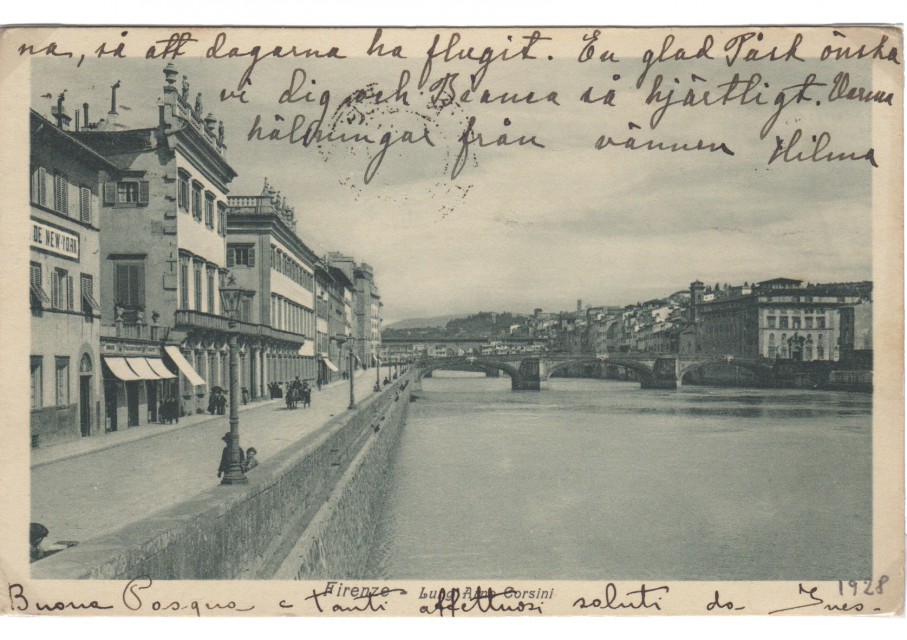
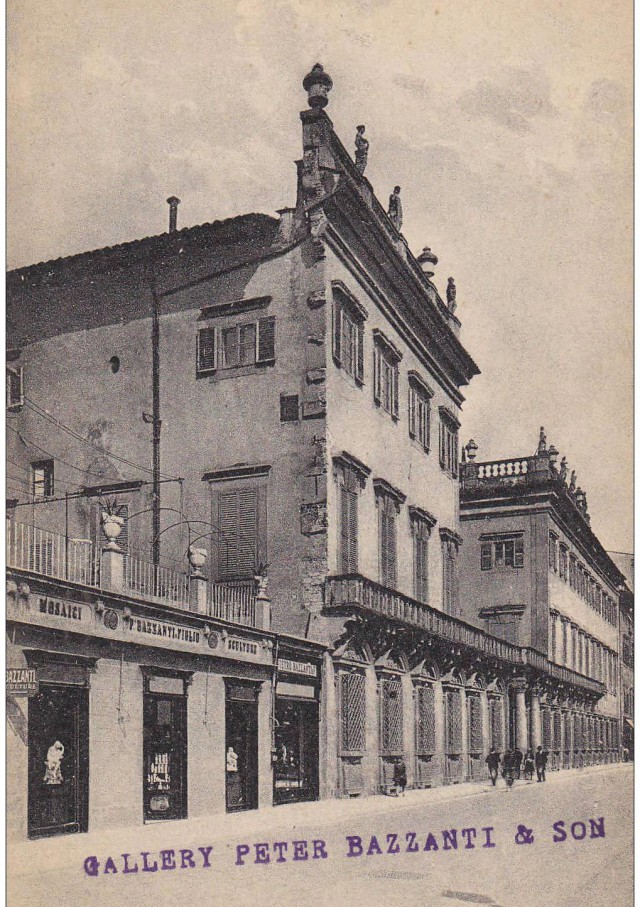
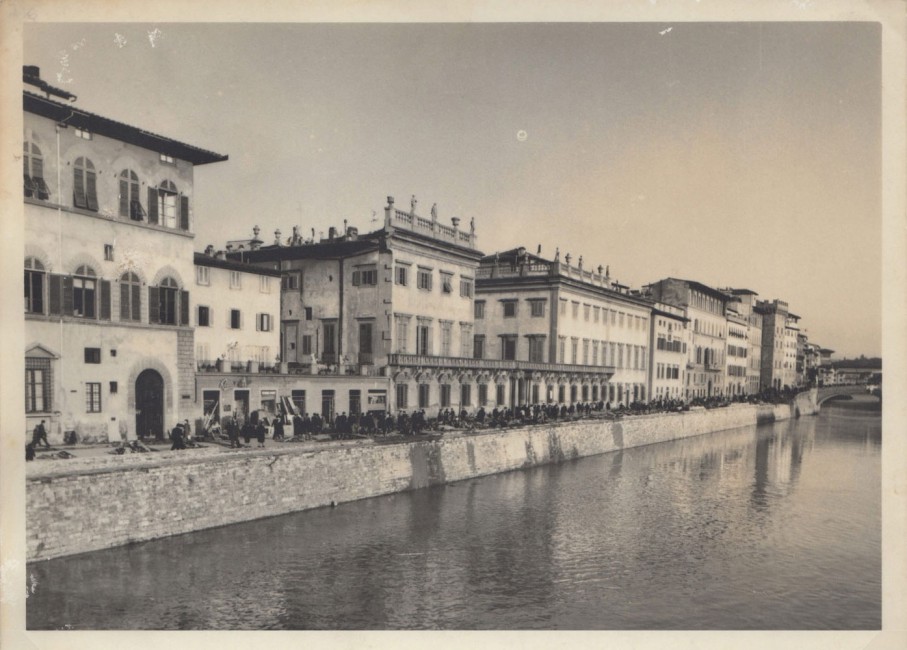
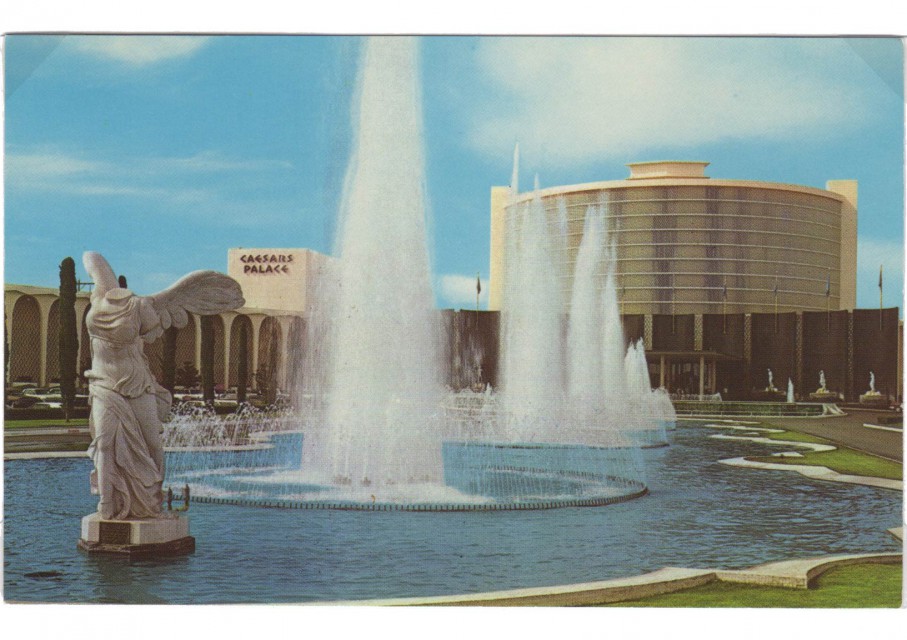
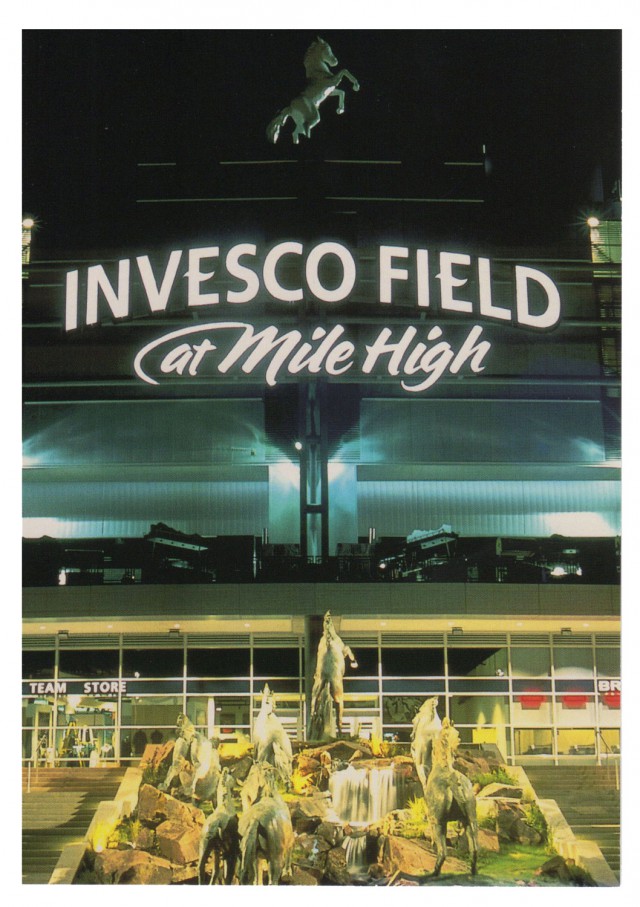
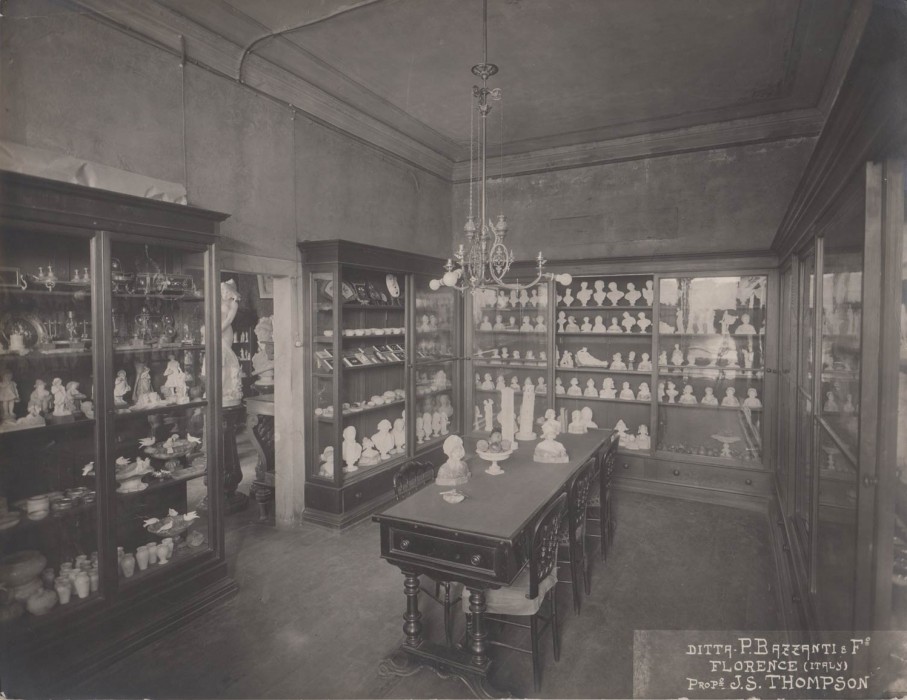
A selection of pictures and postcards with images of works by the Art Gallery Peter Bazzanti and Son and the Ferdinando Marinelli Artistic Foundry of Florence concerning Cart of the Pioneers, the Monumental Staircase in the Vatican, the Holy Door of St. Peter’s Basilica, The Porcellino in Florence, statues and fountains for the Casino of Las Vegas Strip, the Fountain of the Broncos, as well as an overview of the Gallery and the Lungarno Corsini from ‘800 until recent times.

galleria-bazzanti-foto-vecchie-2
galleria-bazzanti-foto-vecchie-6
galleria-bazzanti-foto-vecchie-1
galleria-bazzanti-foto-vecchie-3
galleria-bazzanti-foto-vecchie-4
galleria-bazzanti-foto-vecchie-5
galleria-bazzanti-foto-vecchie-7
galleria-bazzanti-foto-vecchie

Bazzanti Gallery and Lungarno Corsini on vintage postcards:

Dancer by Canova. Marble sculpture for sale, Pietro Bazzanti Art Gallery, Florence, Italy

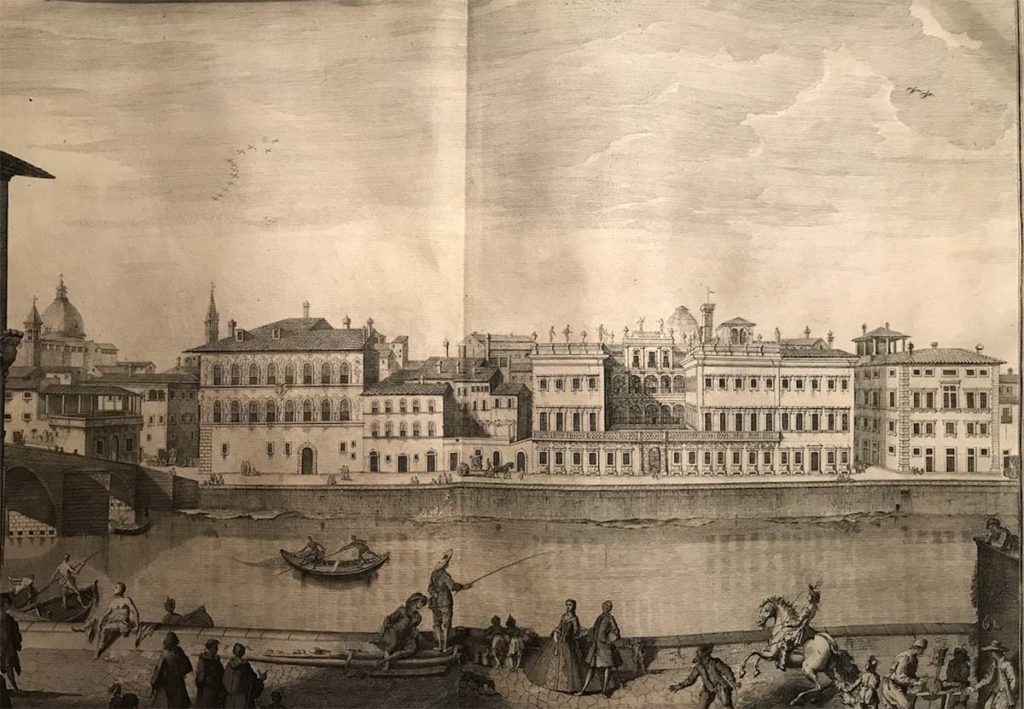
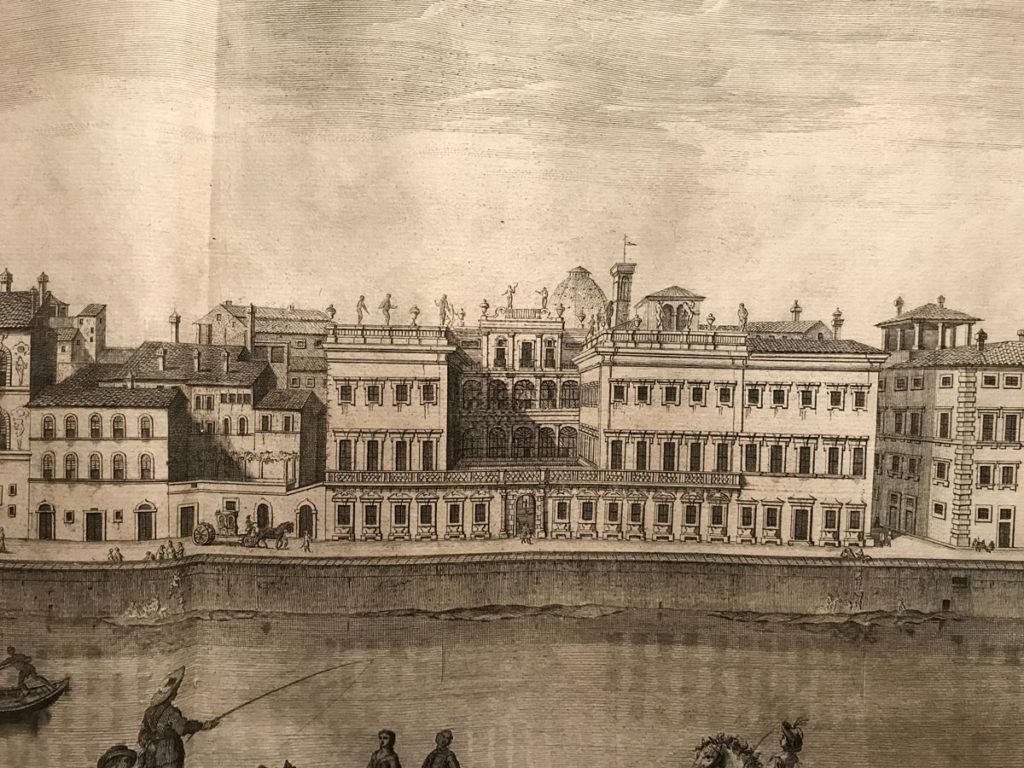
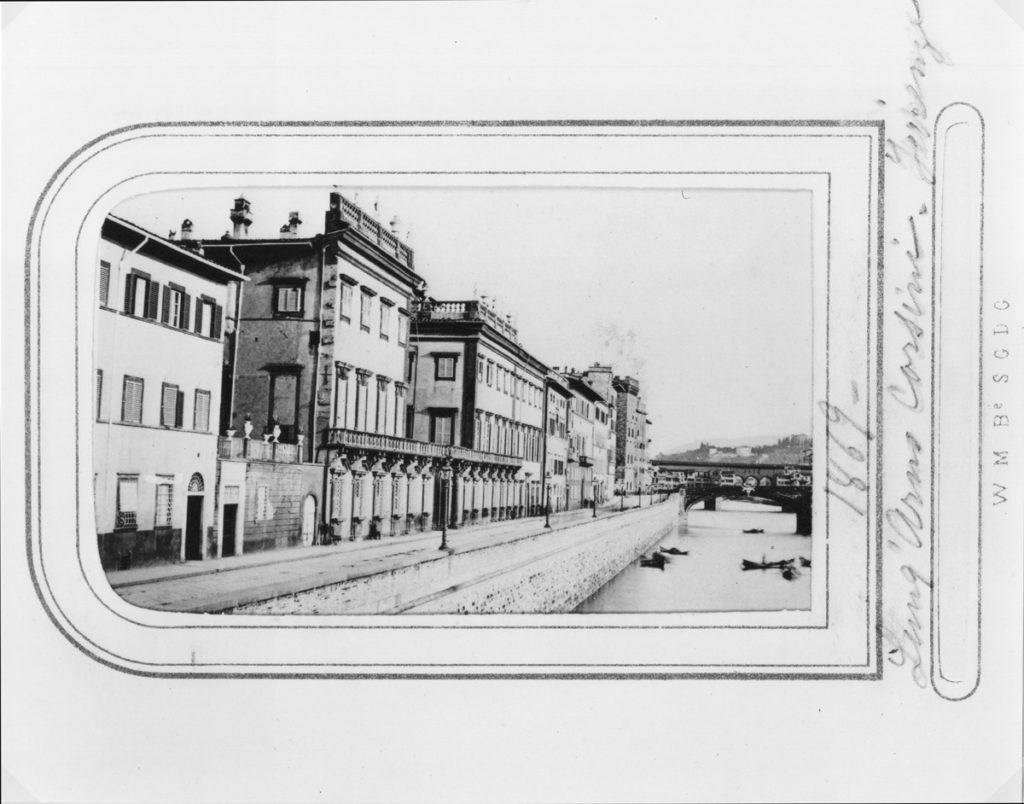
1869 – The sculpture studio of Bazzanti Brothers at Palazzo Corsini, before the transformation into an art Gallery

cartoline-lungarno9_mod

1875 – The Bazzanti Gallery with its four shop windows in front of the Lungarno. The first three awnings are united, it’s possible to distinguish the Bazzanti inscription on the side.

.

cartoline-lungarno4

1890 – The awnings are painted with a large inscription ‘Pietro Bazzanti e F.’

.

cartoline-lungarno1

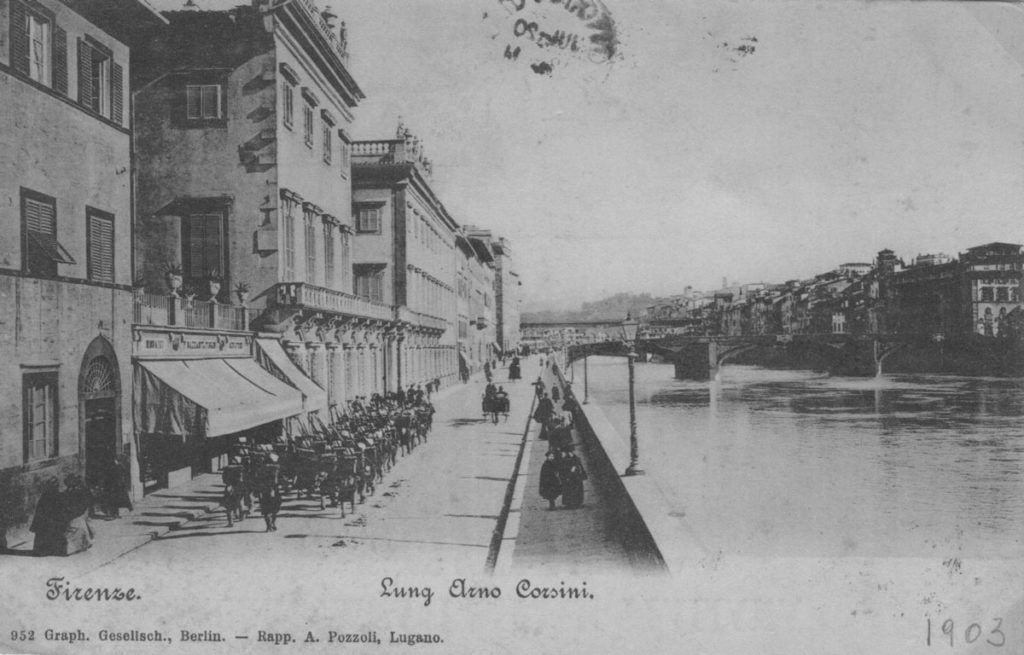
1903 – A squad of soldiers pass nearby the Gallery.

.

cartoline-lungarno2

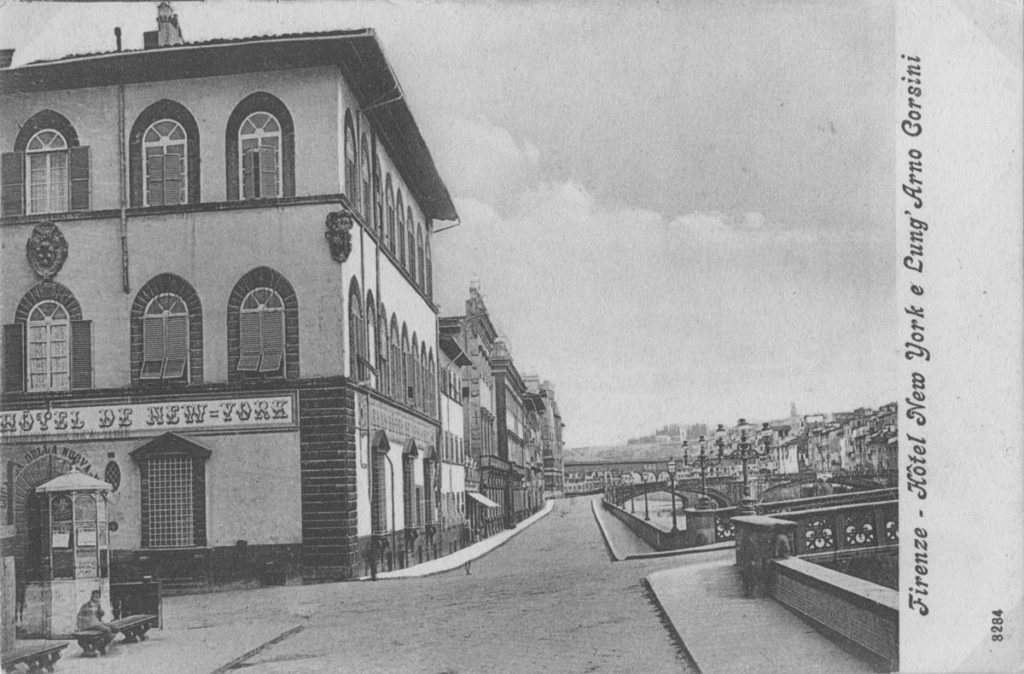
Early ‘900 – The white awnings have been simplified.

.

cartoline-lungarno3

Early ‘900 – On the far left, the Gallery’s awnings.

.

cartoline-lungarno5

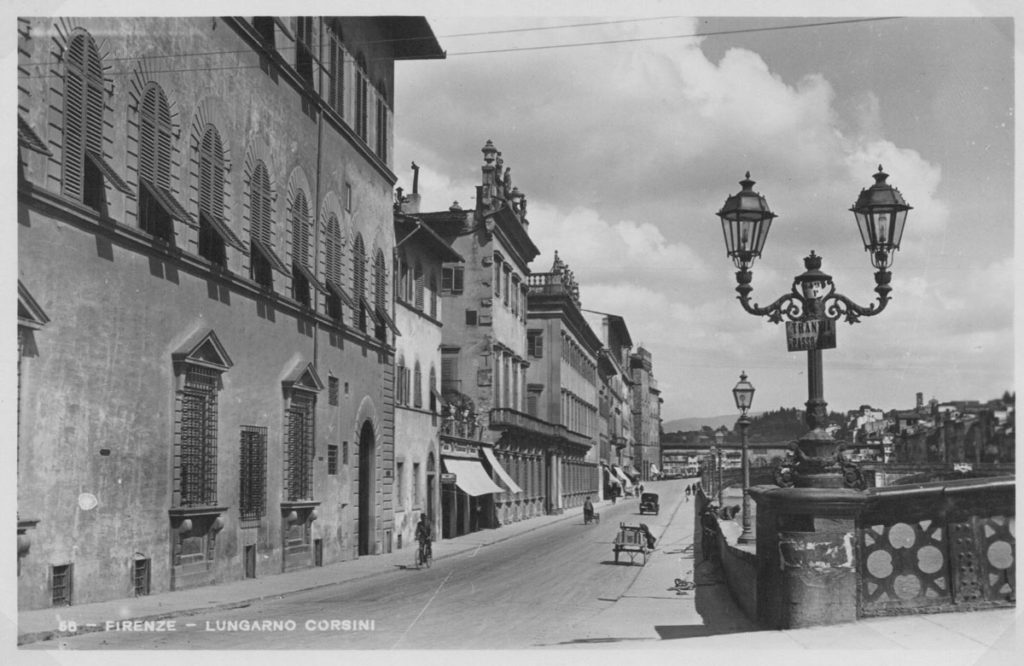
Undated – The Gallery’s awning is the only one of the Lungarno Corsini.

.

cartoline-lungarno6

1928 – The four awnings are now separated.

.

cartoline-lungarno8

Undated – The windows of the gallery are clearly visible, with some marble sculptures inside. The stamp in violet is coeval.

.

cartoline-lungarno11_mod

Flood of 1966 – Some days after the water subsided

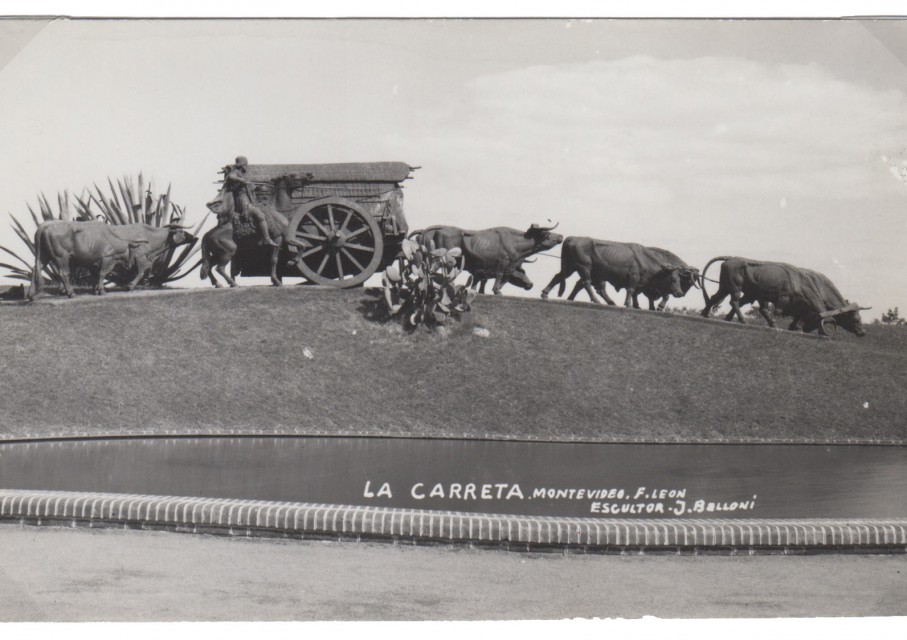
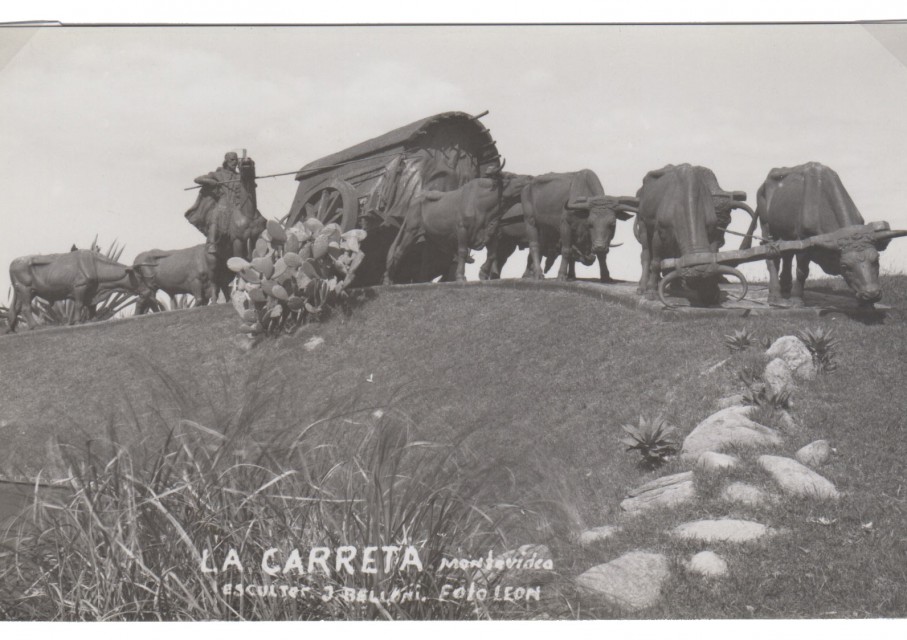
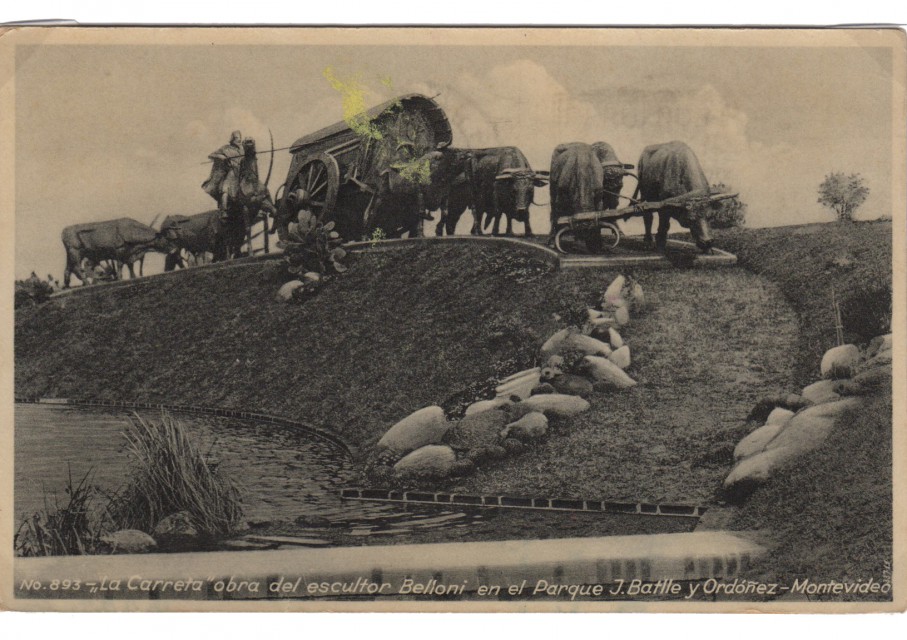
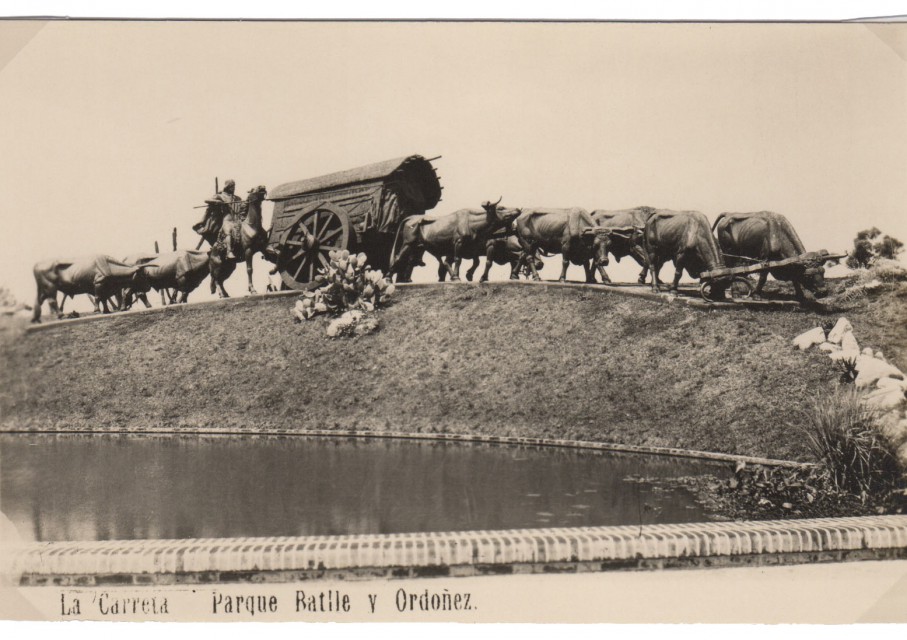
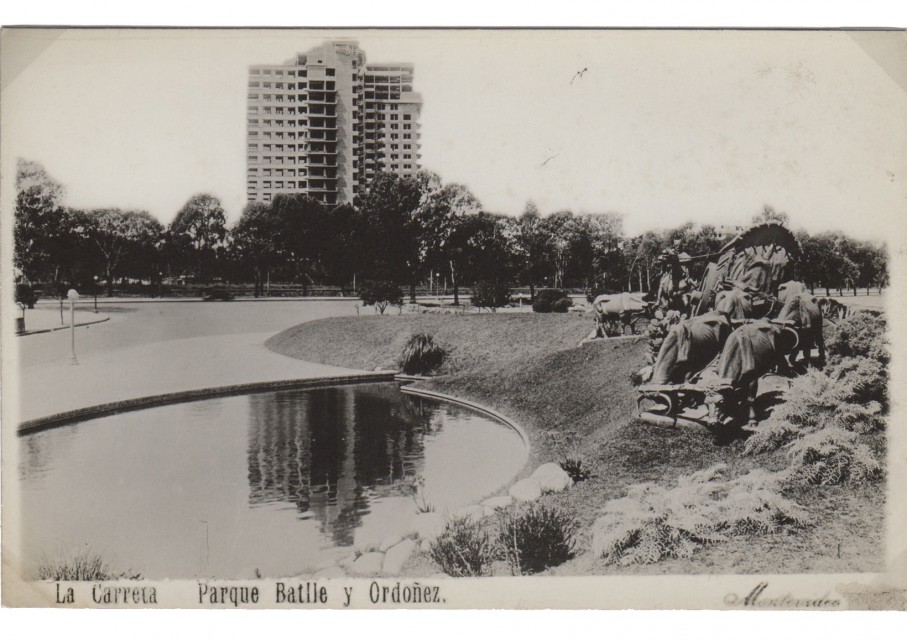
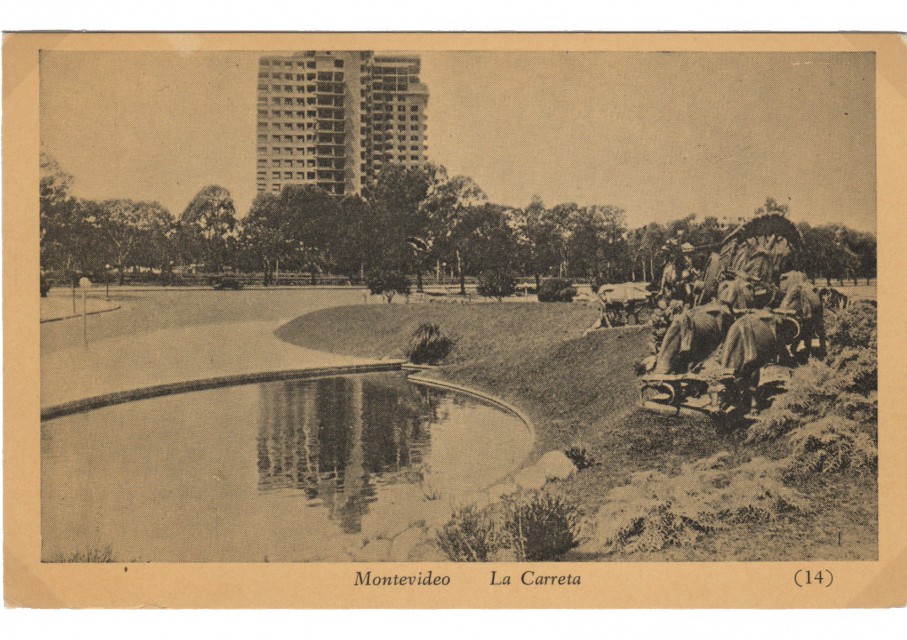
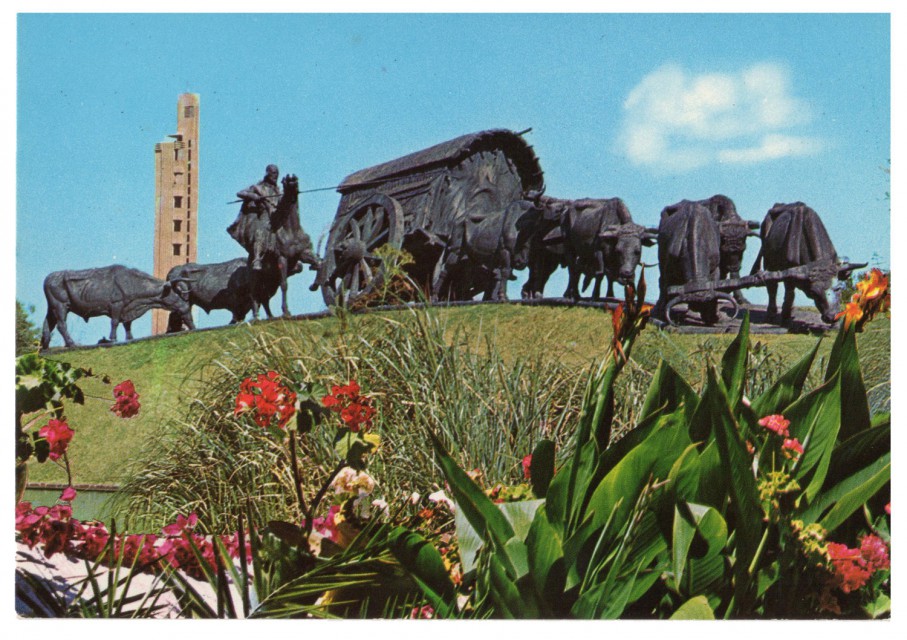
The postcards are from photographs taken shortly after the installation of the monument of Jose Belloni in Montevideo (Uruguay) in 1930, melted by the Ferdinando Marinelli Artistic Foundry in Florence.

See also

cartoline-carretta1
cartoline-carretta2
cartoline-carretta3
cartoline-carretta4
cartoline-carretta5
cartoline-carretta6
cartoline-carretta7

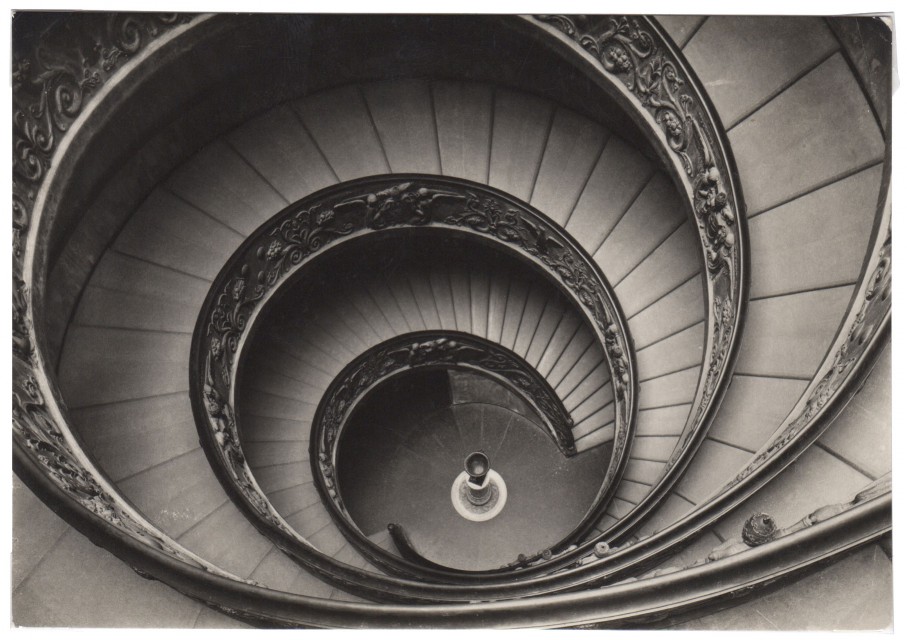
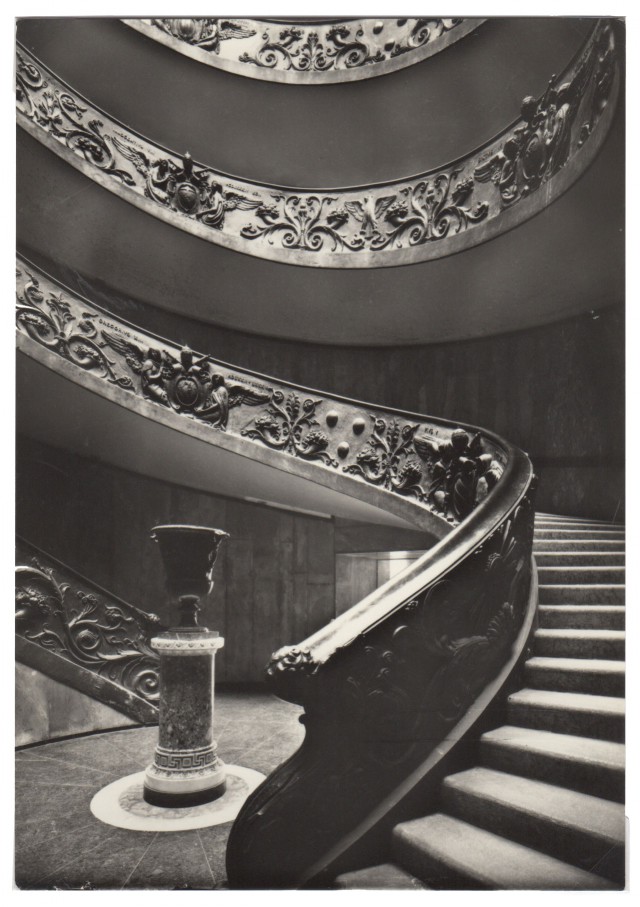
Le cartoline postali hanno l’immagine dello scalone monumentale fuso e montato nel 1932 dalla Fonderia Artistica Ferdinando Marinelli di Firenze all’ingresso del Museo Vaticano, poco prima dell’inaugurazione.

Vedi anche

cartoline-scala-vaticano1
cartoline-scala-vaticano2

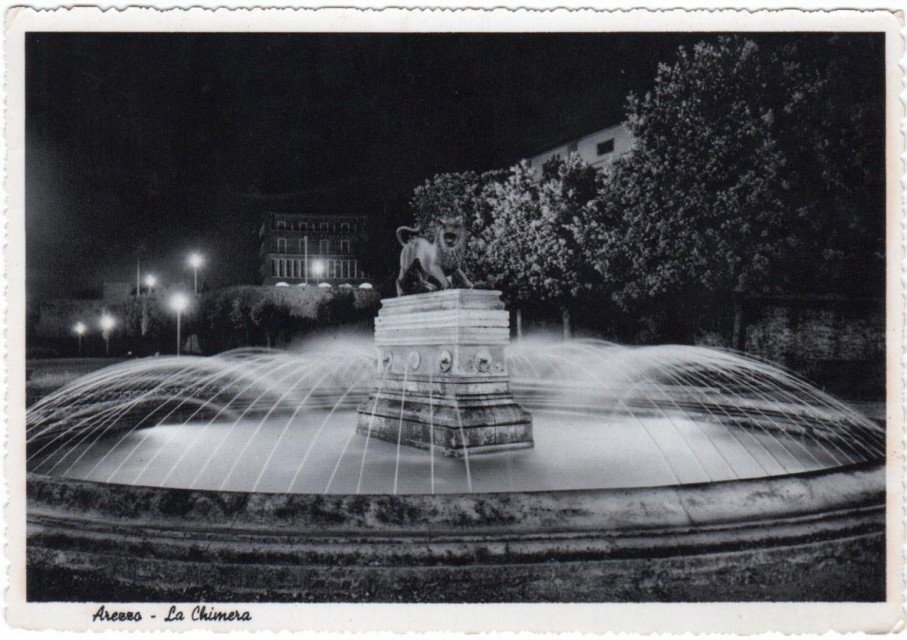
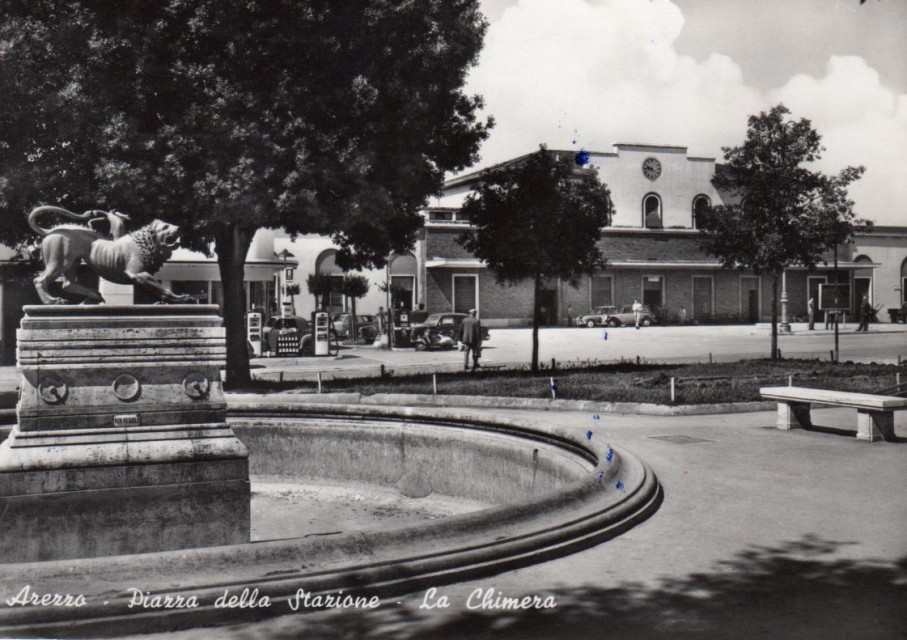
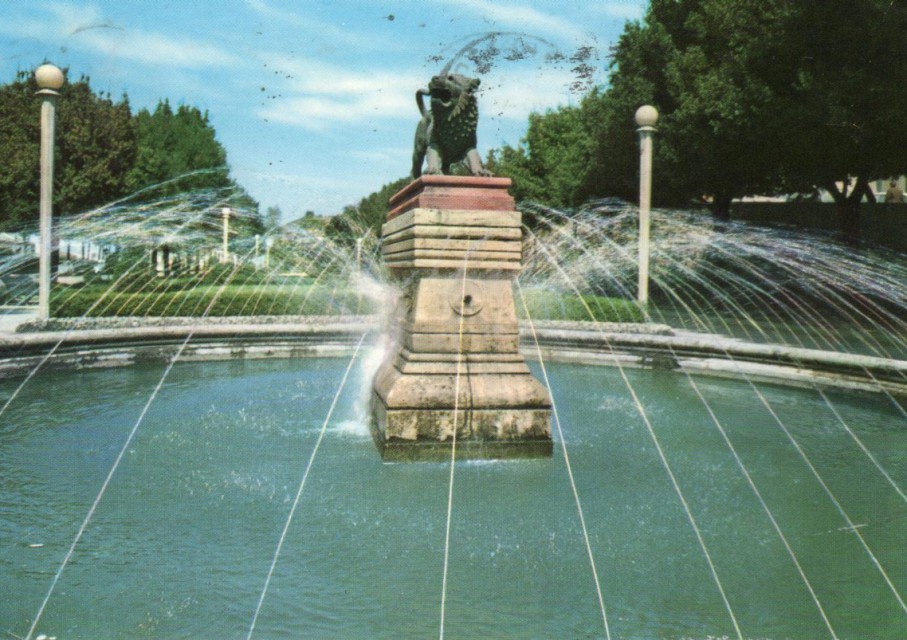
Postcards of the two bronze Chimeras of Piazza della Stazione in Arezzo, cast by Fonderia Artistica Ferdinando Marinelli of Florence.

See also

cartoline-chimere1
cartoline-chimere2
cartoline-chimere3

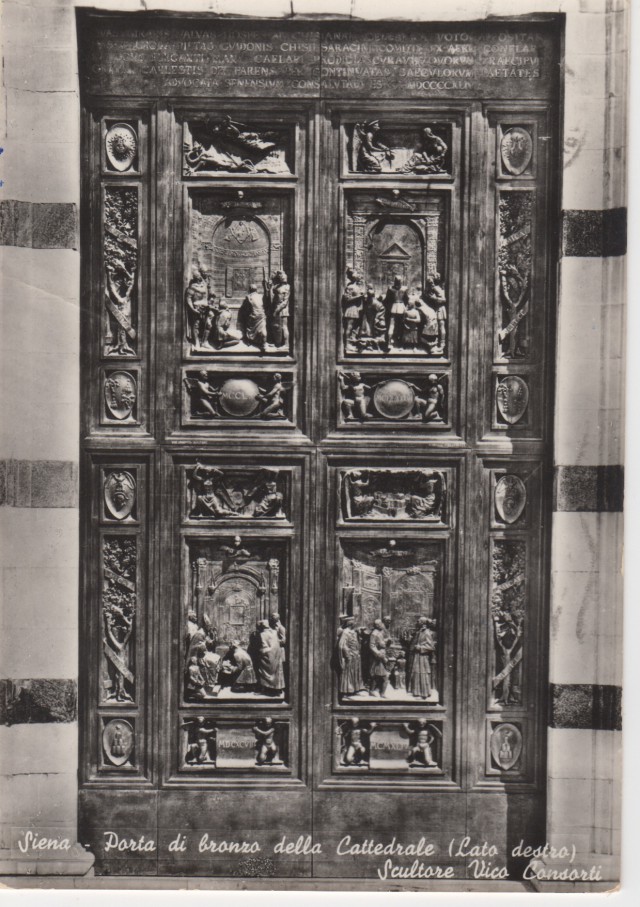
As a sign of gratitude for the liberation of the city from the Germans, Count Chigi Saracini of Siena asked the Sienese sculptor Vico Consorti to create the so-called Gate of Gratitude for the Duomo of Siena. It was cast by the Fonderia Marinelli.

See also

cartolina-siena1

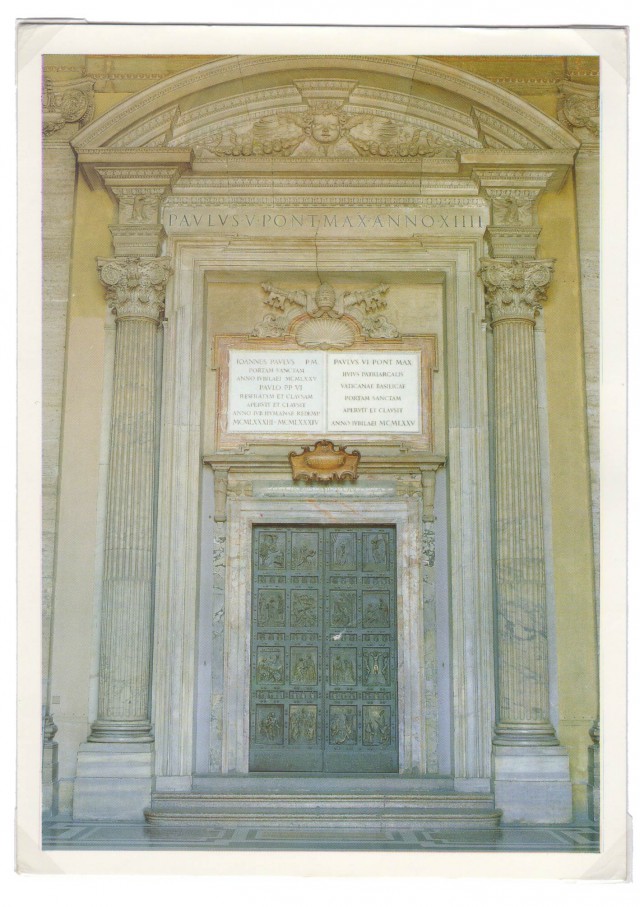
La cartolina postale è stata stampata per la Porta Santa della Cattedrale di San Pietro in Vaticano fusa in bronzo dalla Fonderia Artistica Ferdinando Marinelli di Firenze nel 1950. Ha sostituito la precedente in legno. Viene aperta dal Papa solo in occasione dei Giubilei.

Vedi anche

cartoline-porta-santa1

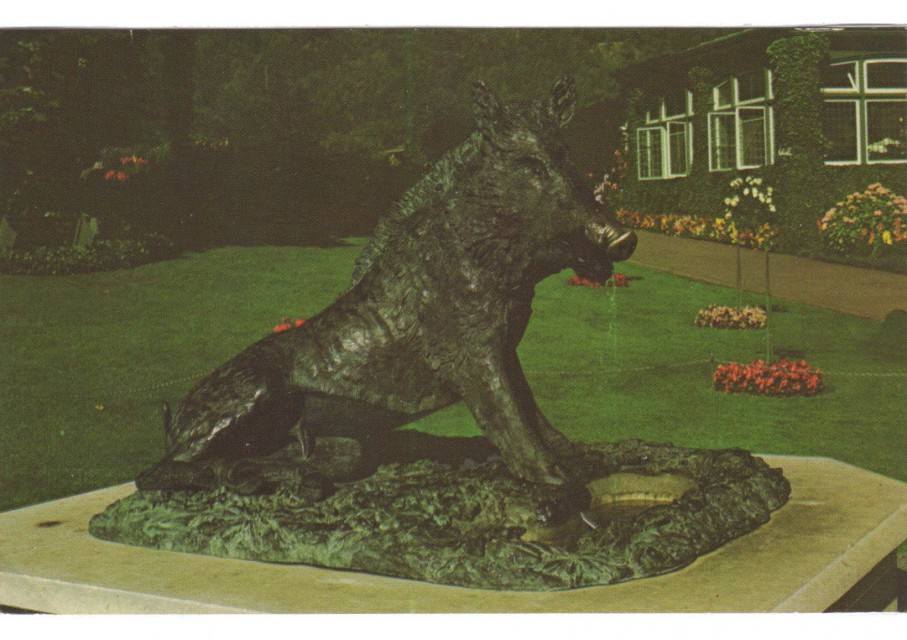
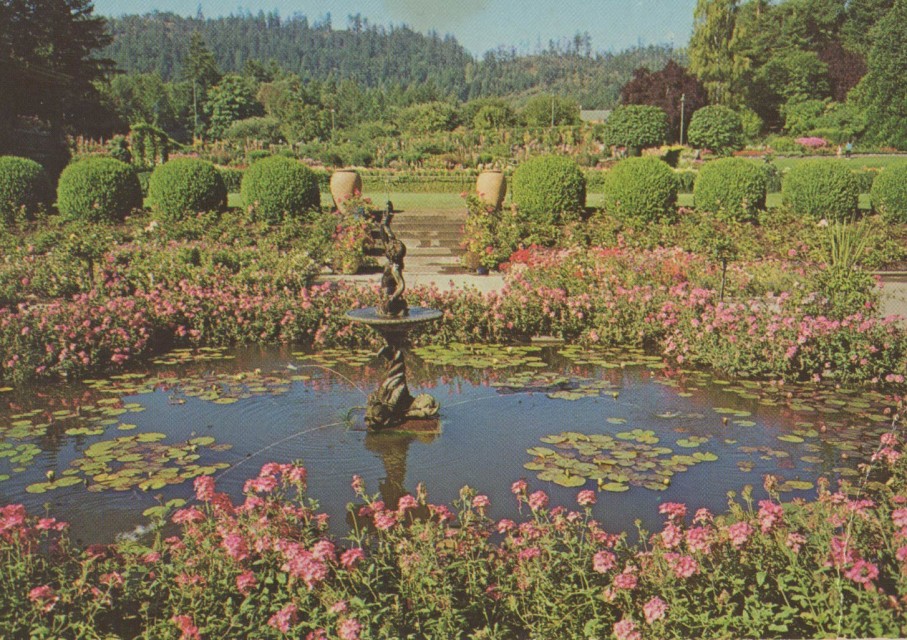
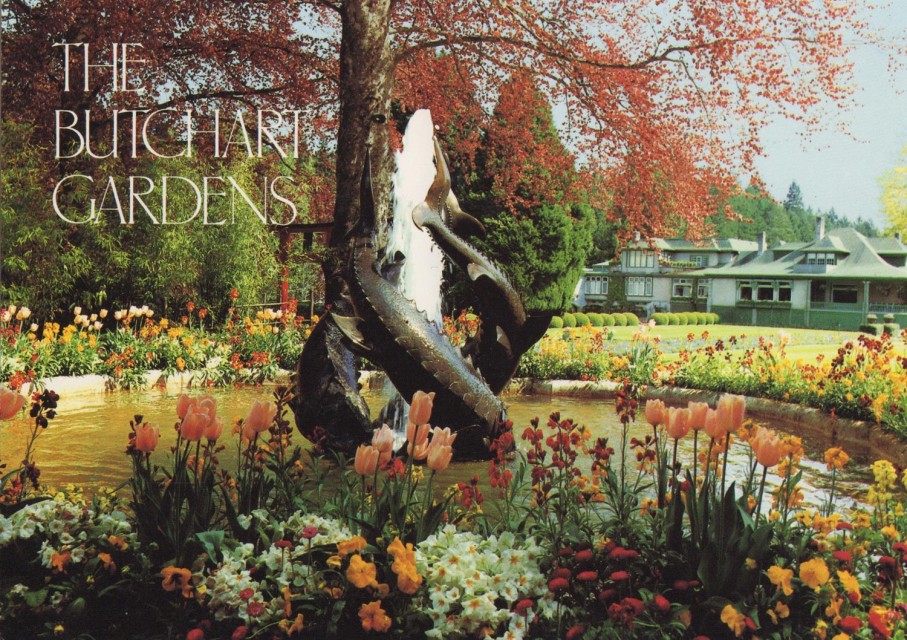
Replica della celebre fontana fiorentina del Porcellino del Tacca che la Galleria Bazzanti ha inviato nella città di Victoria, Canada, per ornare il Butchart Garden, di cui ne hanno fatto una cartolina.

Clicca qui

cartoline-porcellino

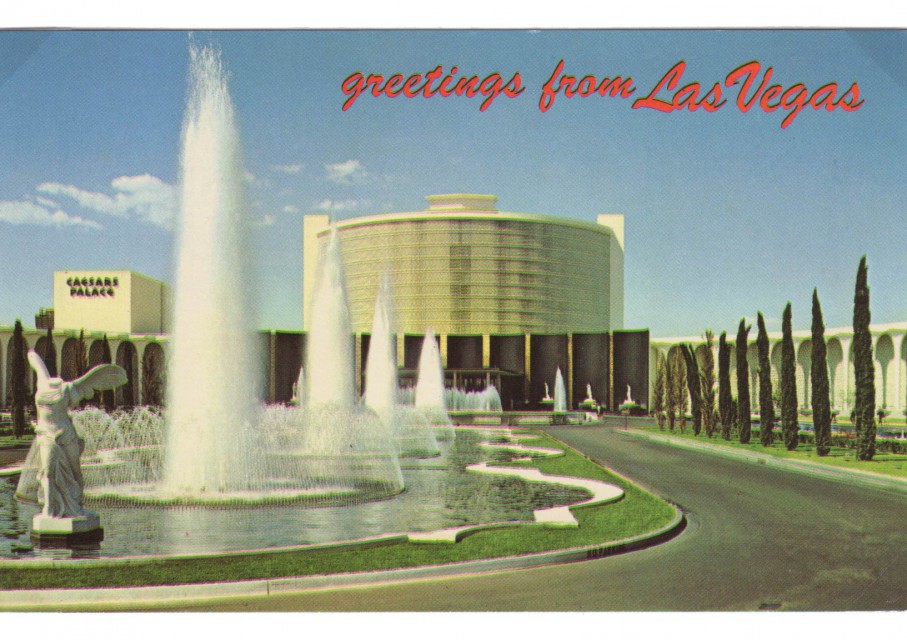
Cartoline del Caesar Palace Hotel di Las Vegas a cui la Galleria Bazzanti ha fornito gran parte delle statue di marmo di Carrara degli arredi esterni ed interni.

cartoline-las-vegas1
cartoline-las-vegas2

Testo da definire

cartoline-broncos1
cartoline-butchart1
cartoline-butchart2
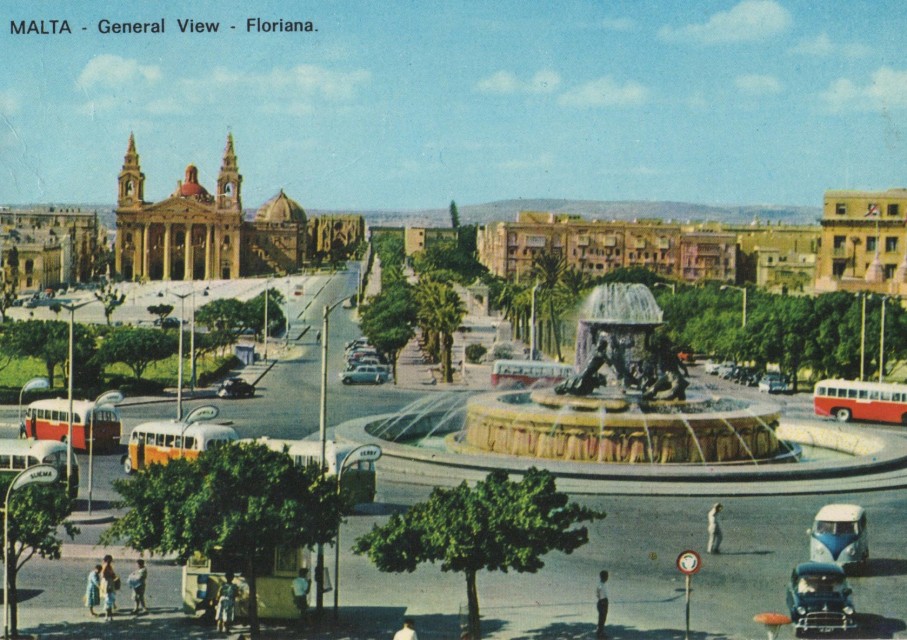
cartoline-malta-tritoni1

60’s

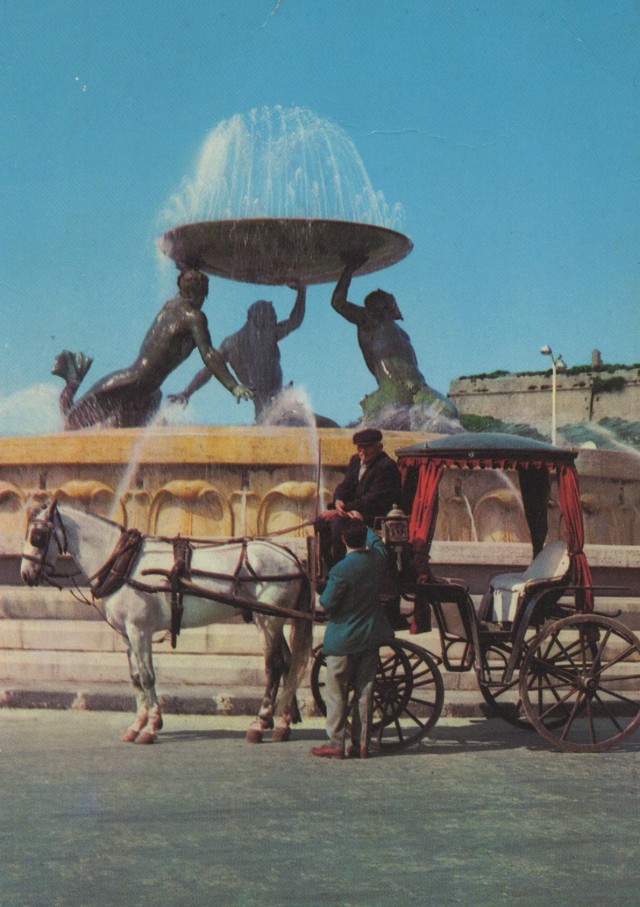
cartoline-malta-tritoni2

1969