THE GATE OF SAN RANIERI
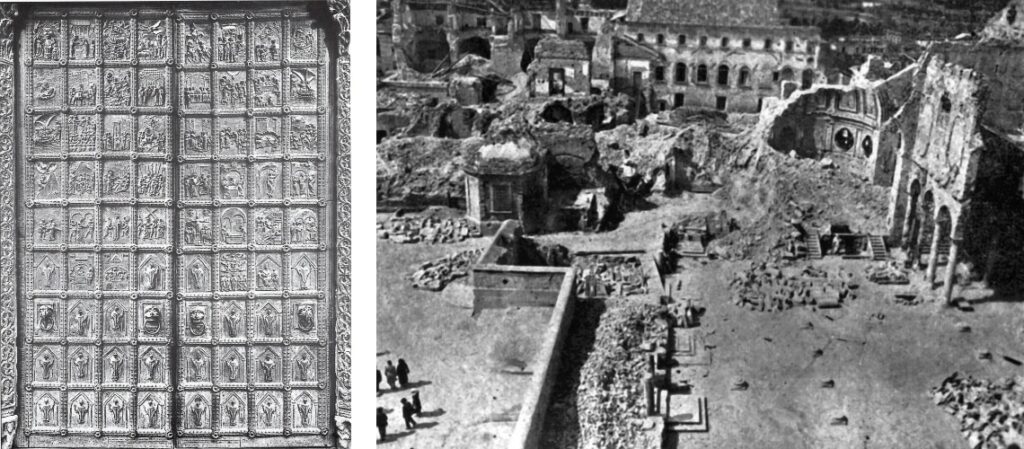
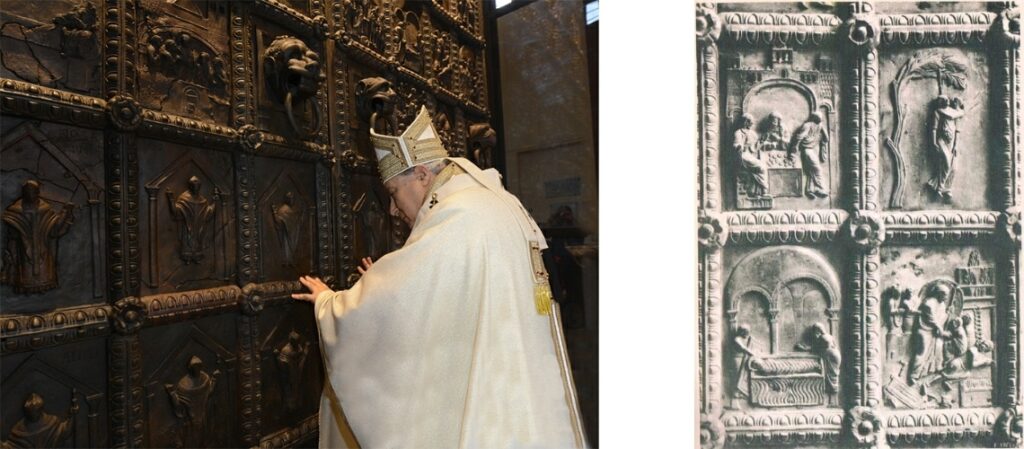
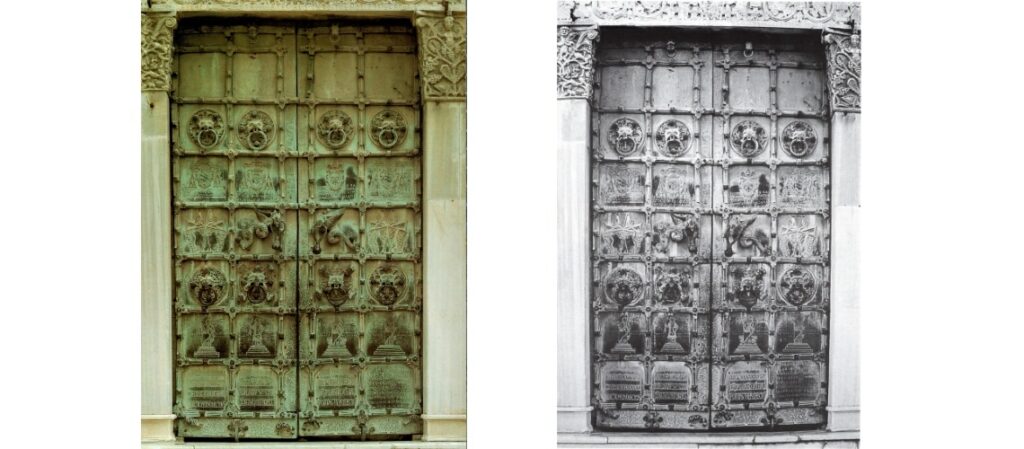
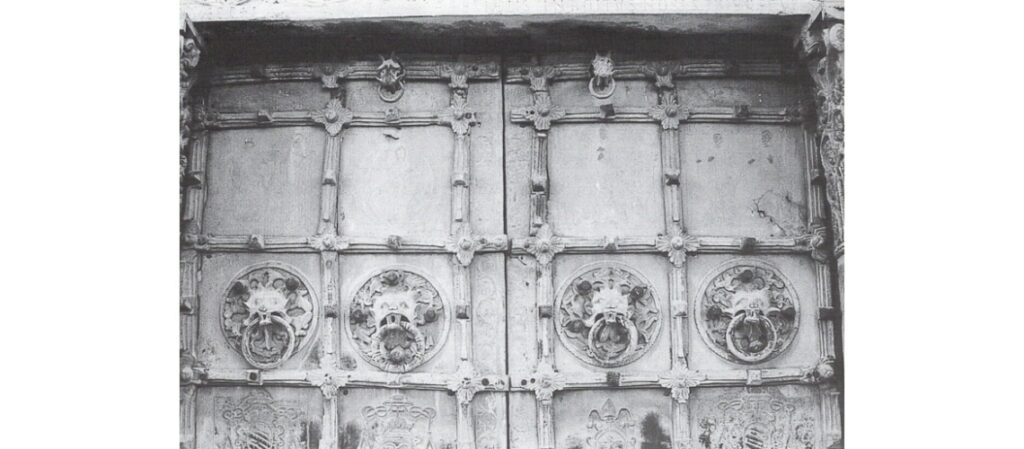
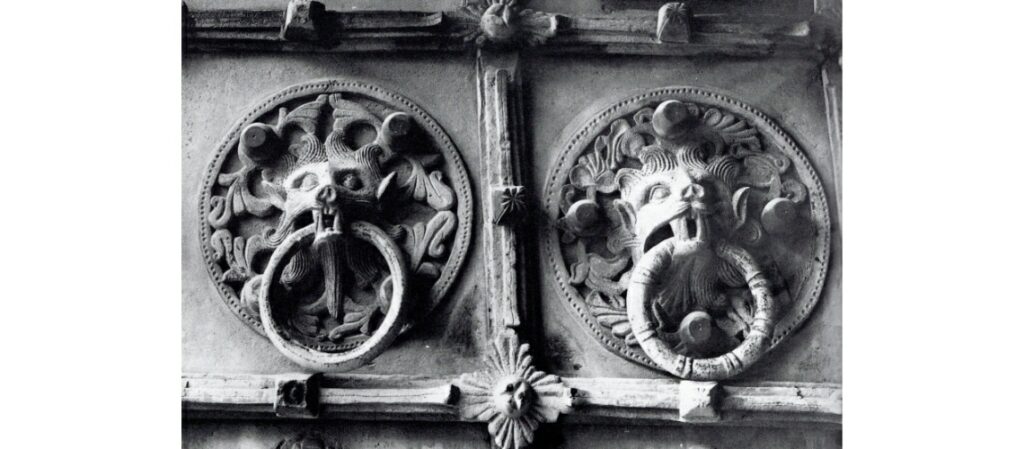
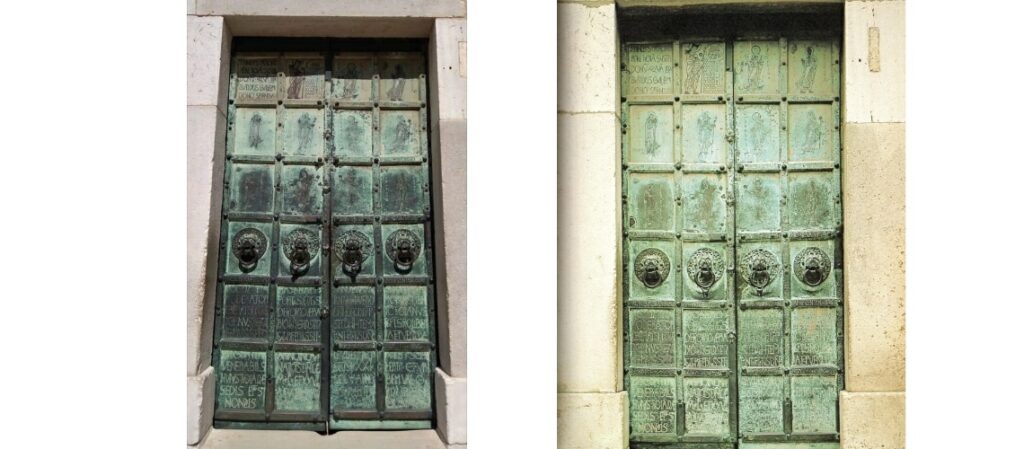
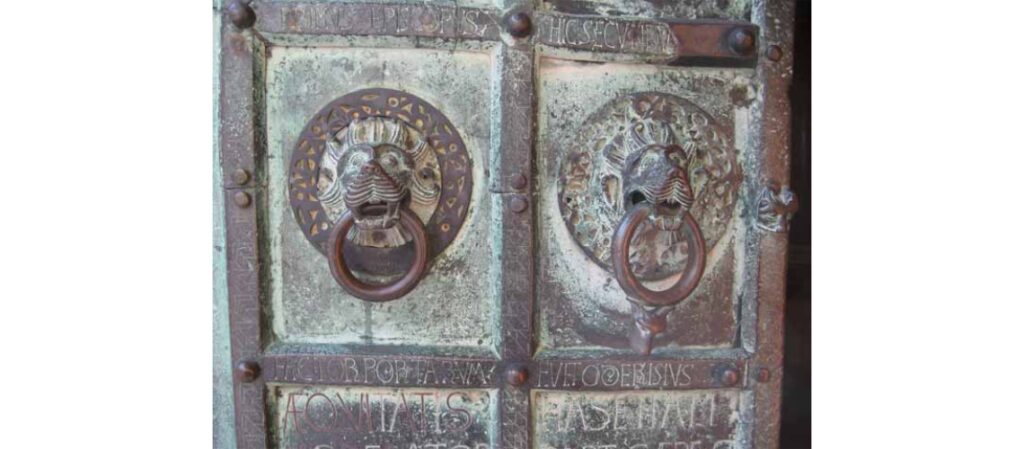
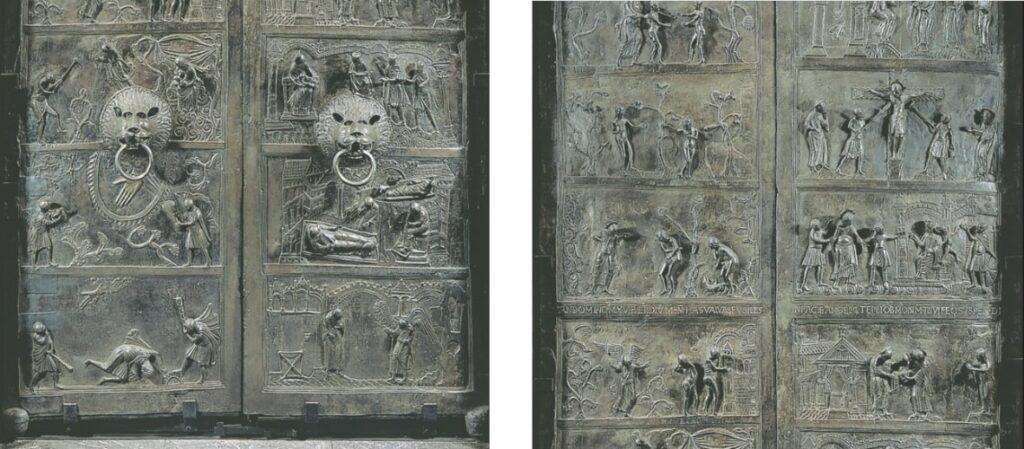
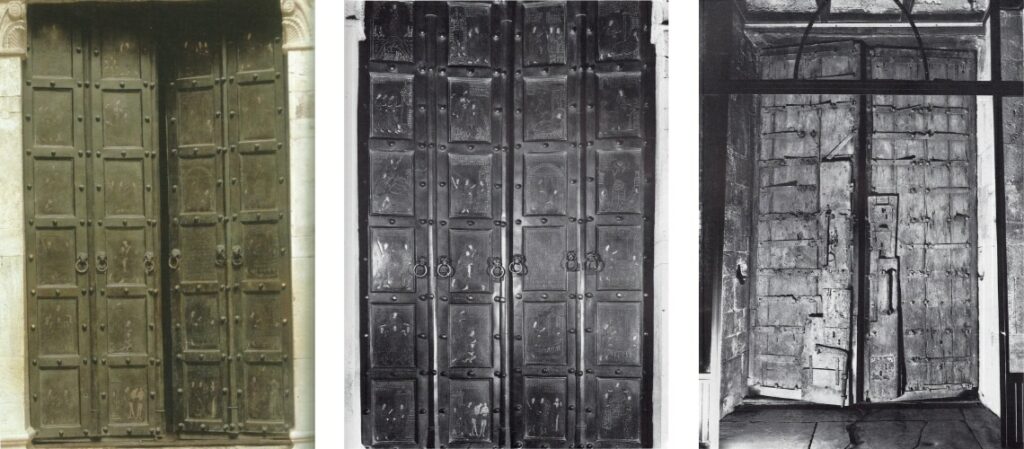
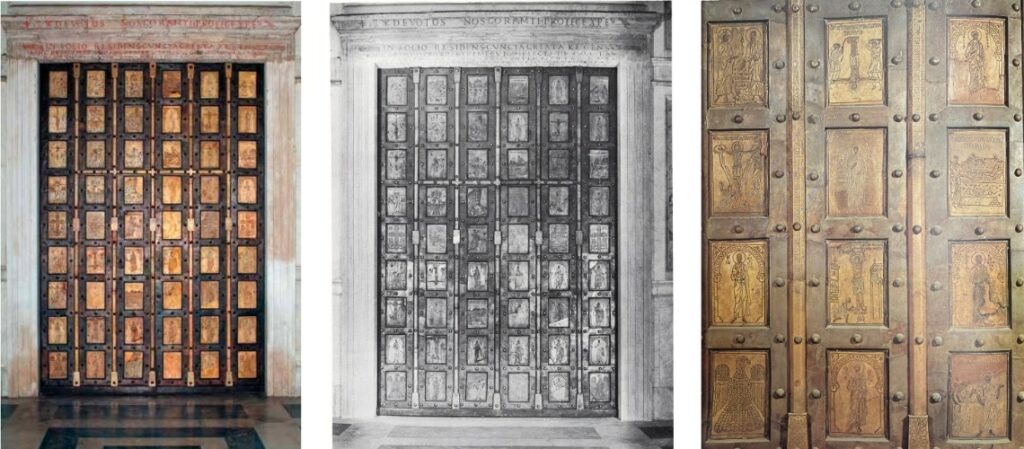
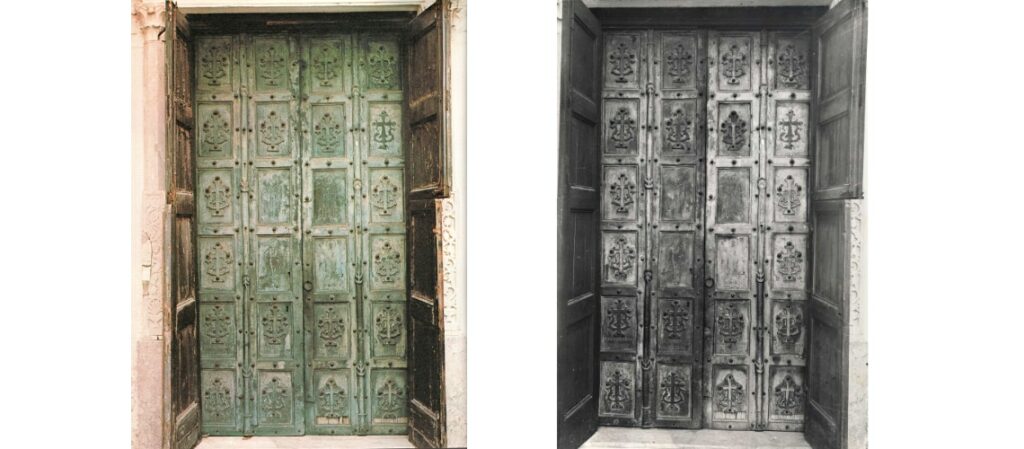
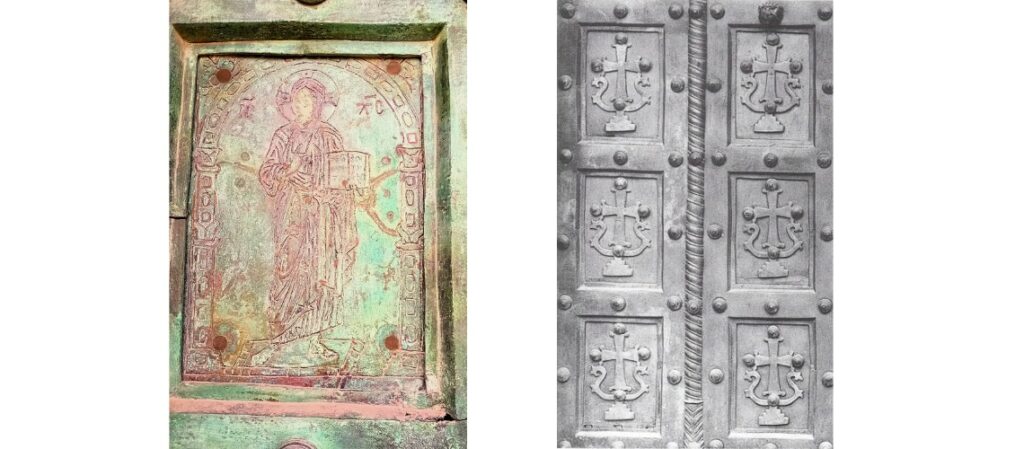
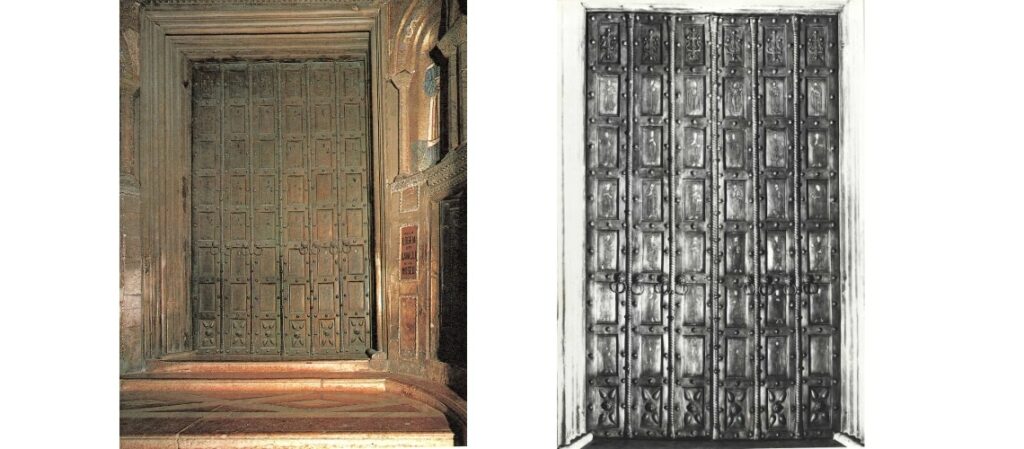
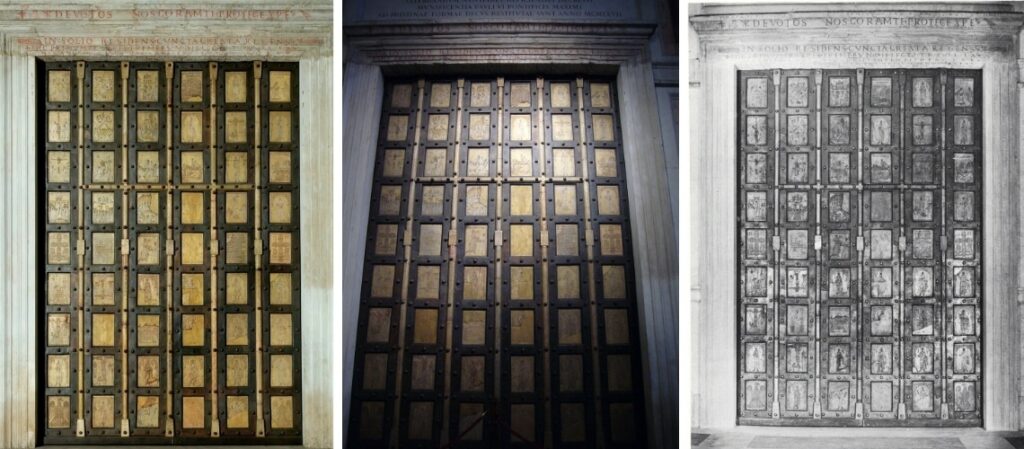
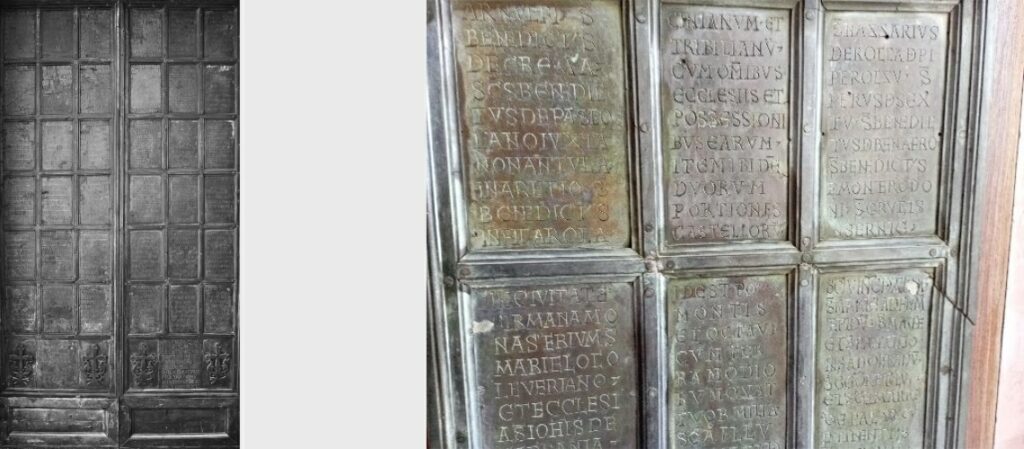
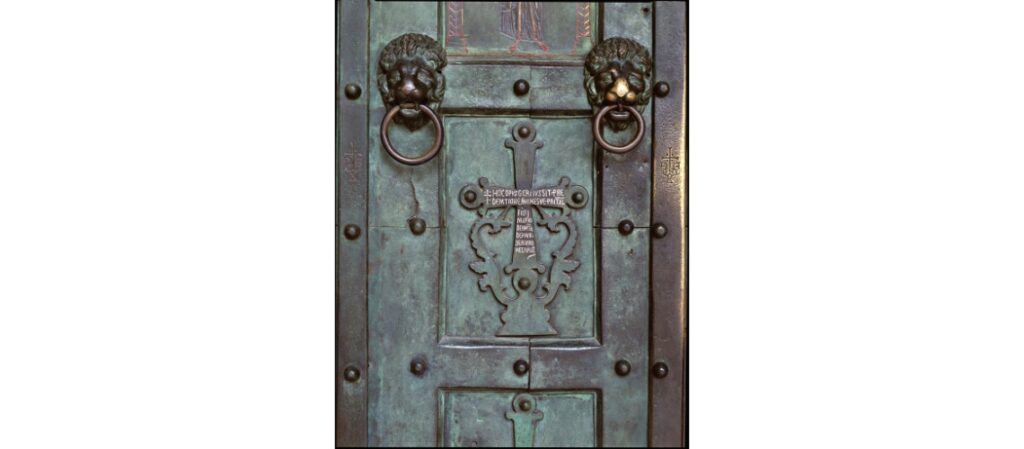
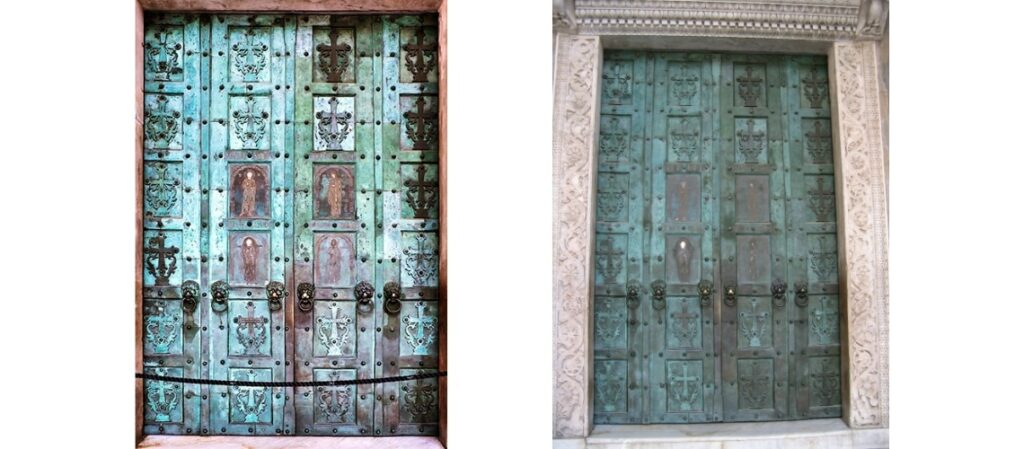
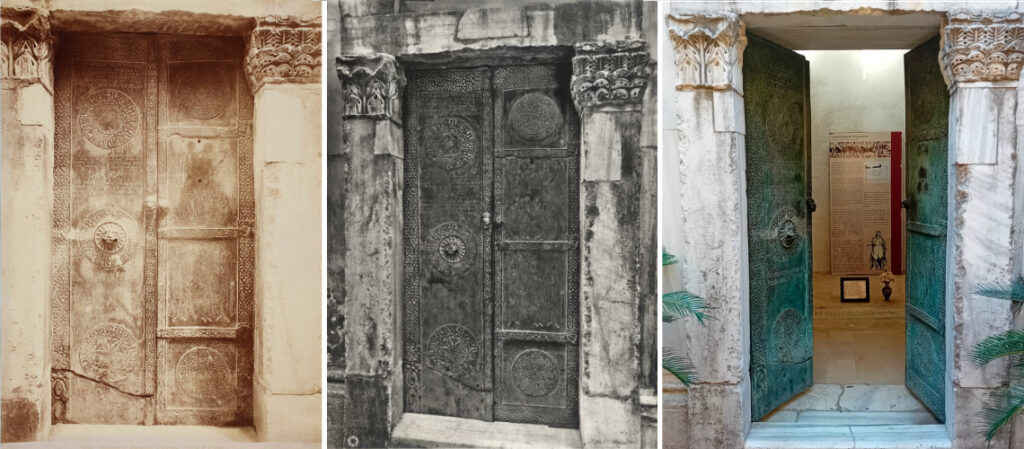
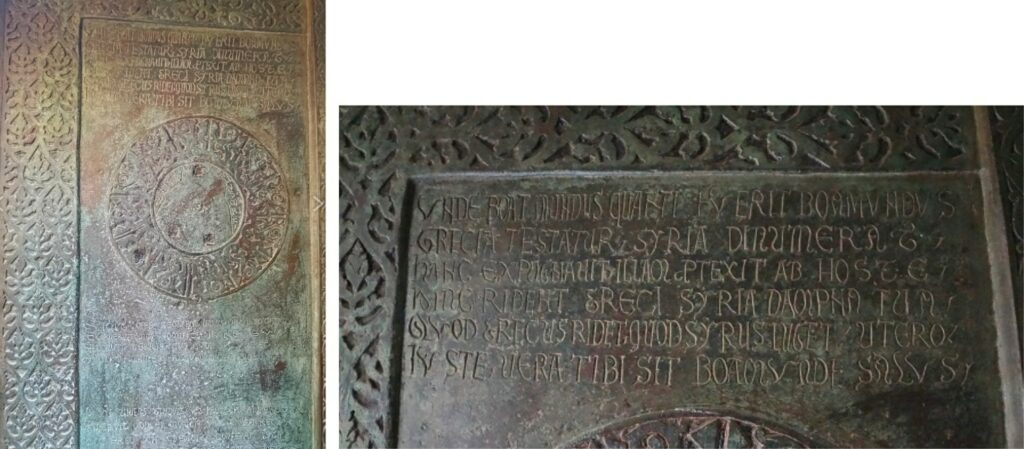
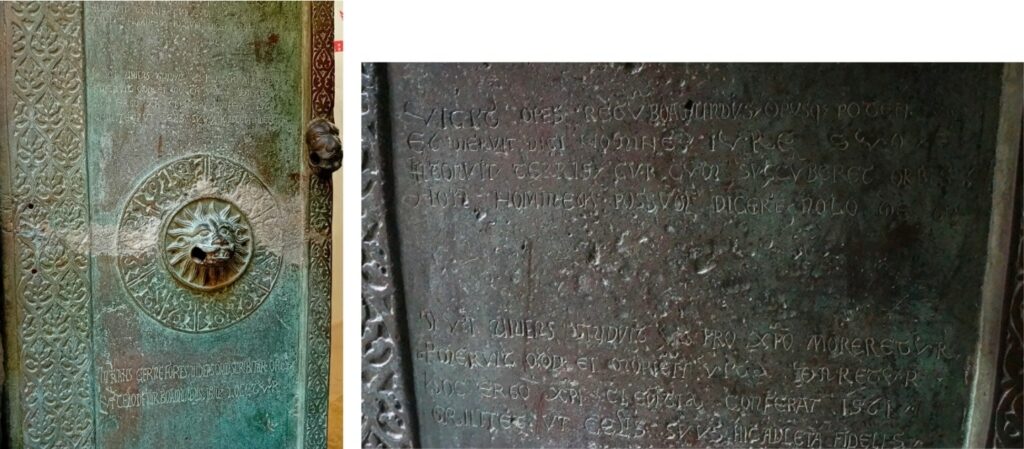
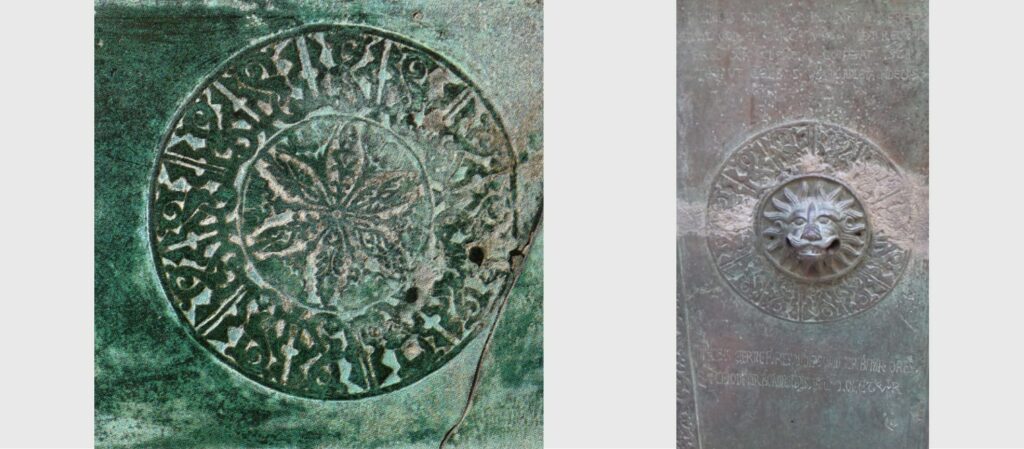
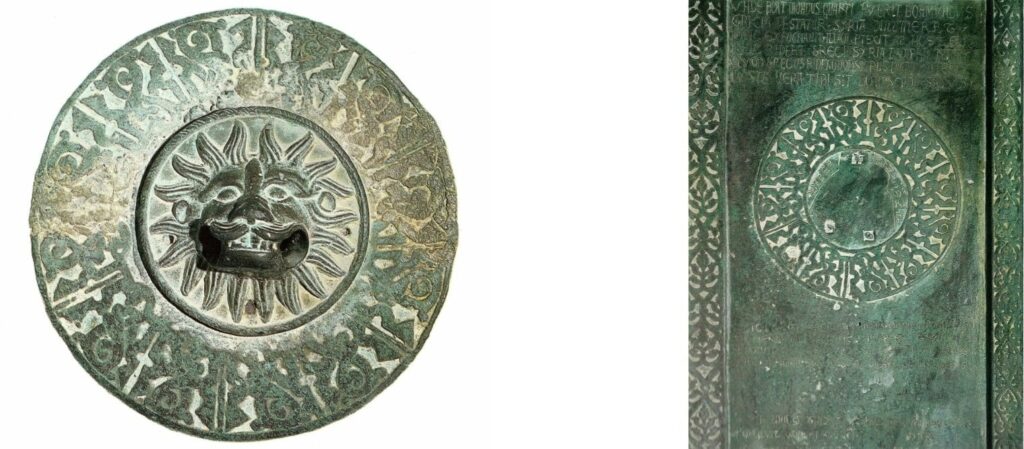
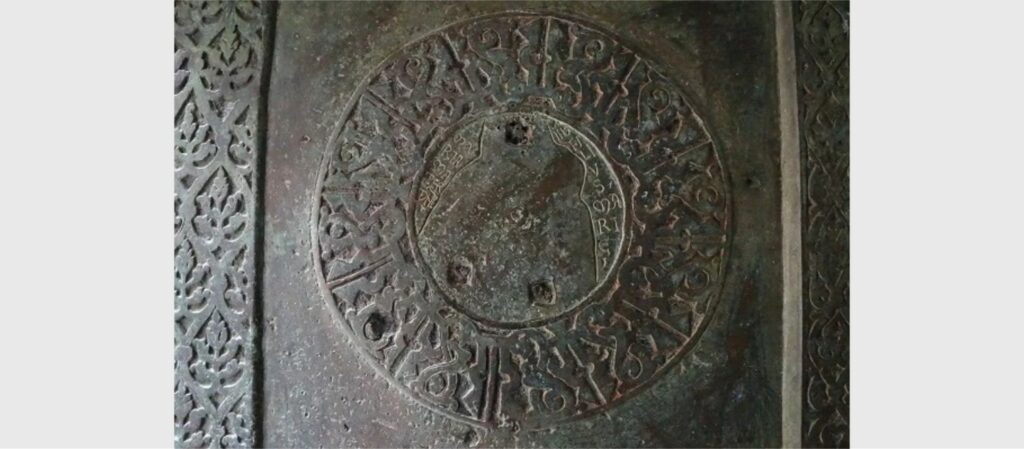
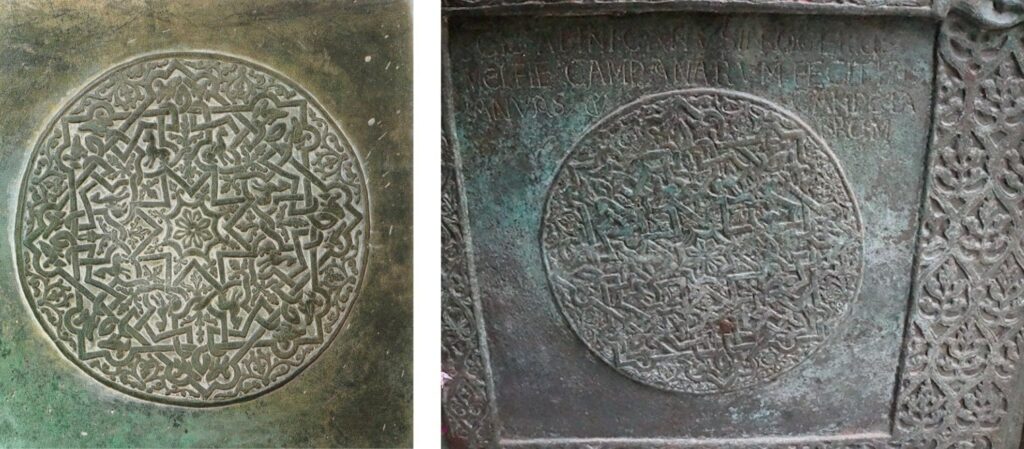
The Gate of San Ranieri, formerly in the right transept of the Pisa Cathedral (now in the Museo dell’Opera del Duomo and replaced by a copy), and the Porta di San Ranieri in the Monreale Cathedral in Sicily are certainly attributed to Bonanno Pisano. [Photos 1, 2, 3]
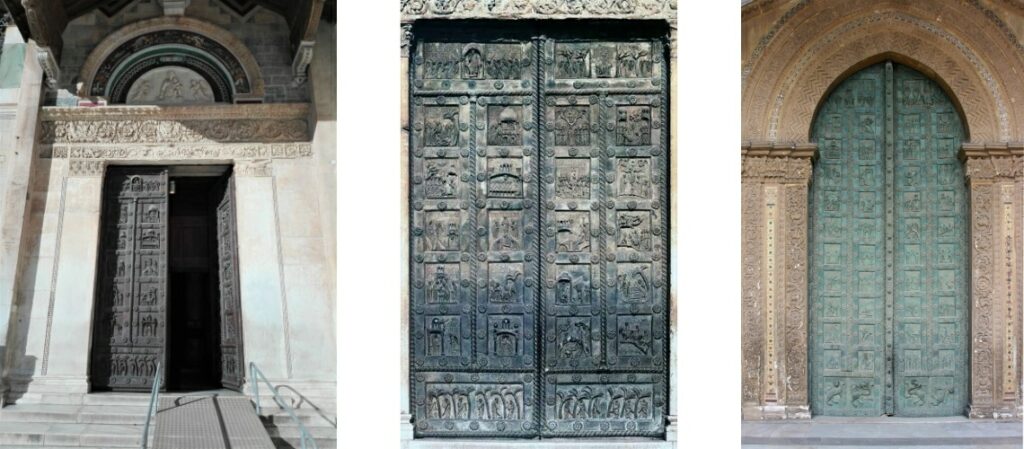
| 1-Gate of San Ranieri, Pisa | 2-Gate of S. Ranieri, Pisa, detail | 3-Door of the Cathedral of Monreale, Sicily |
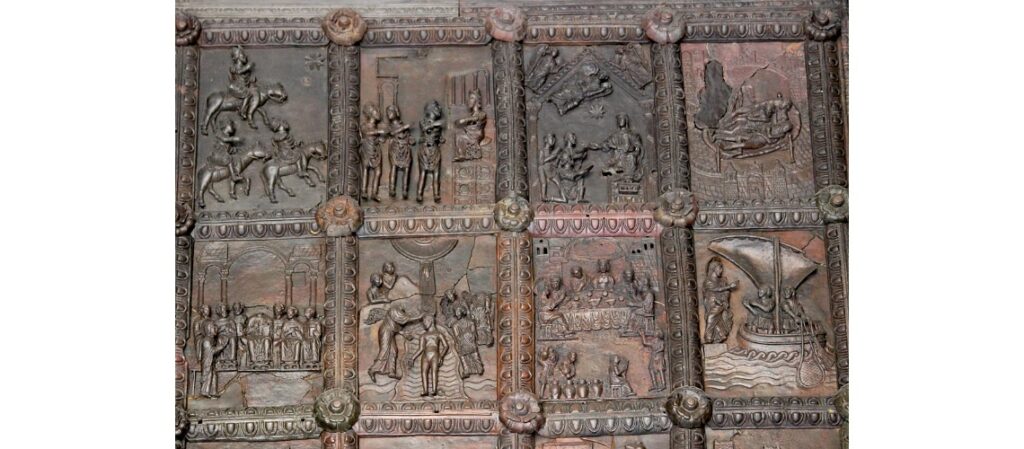
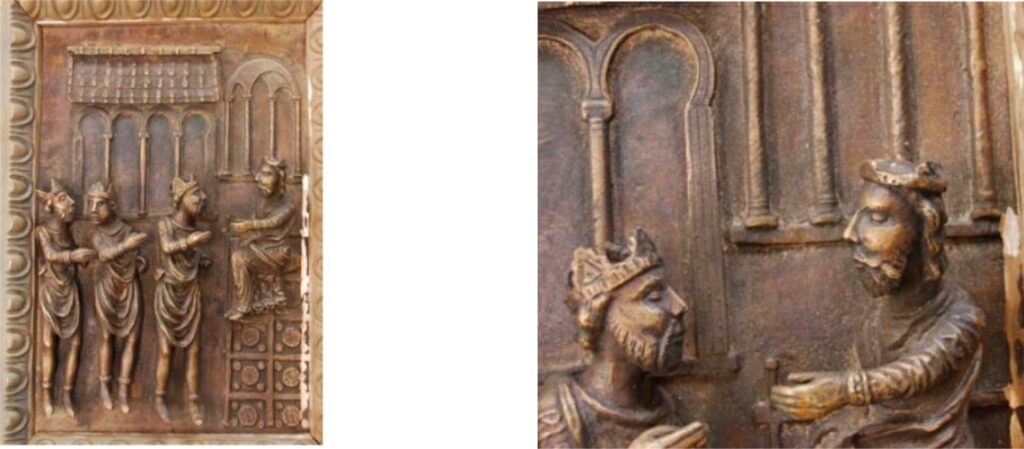
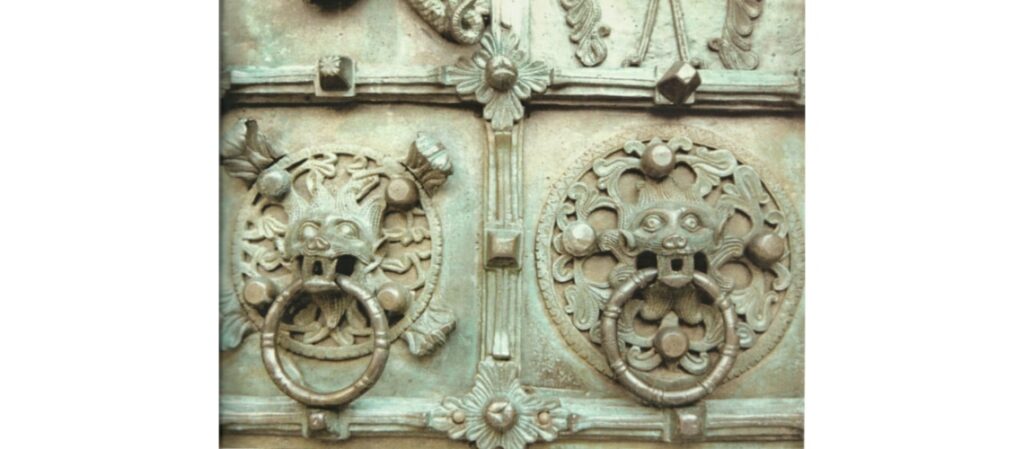
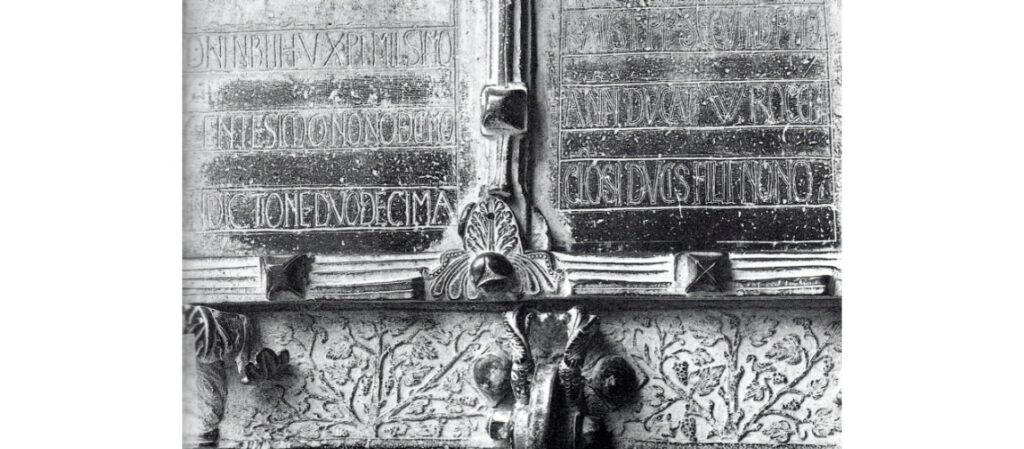
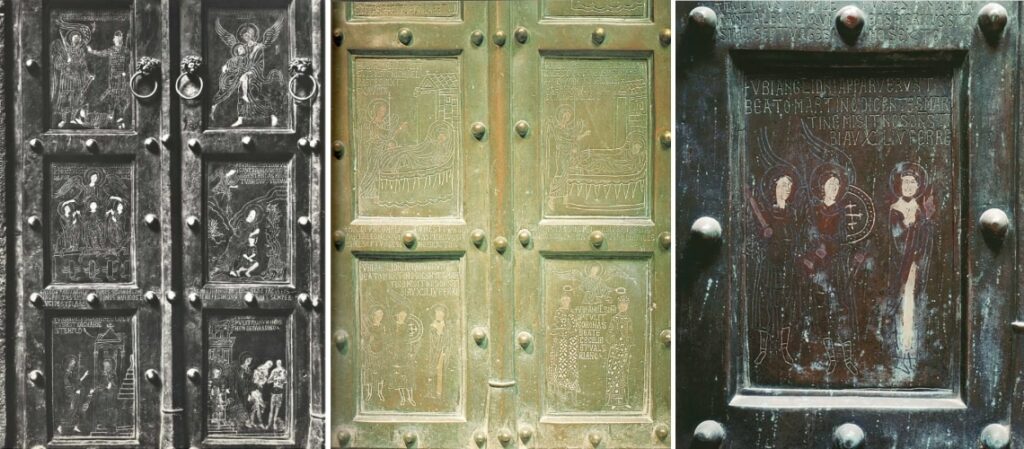
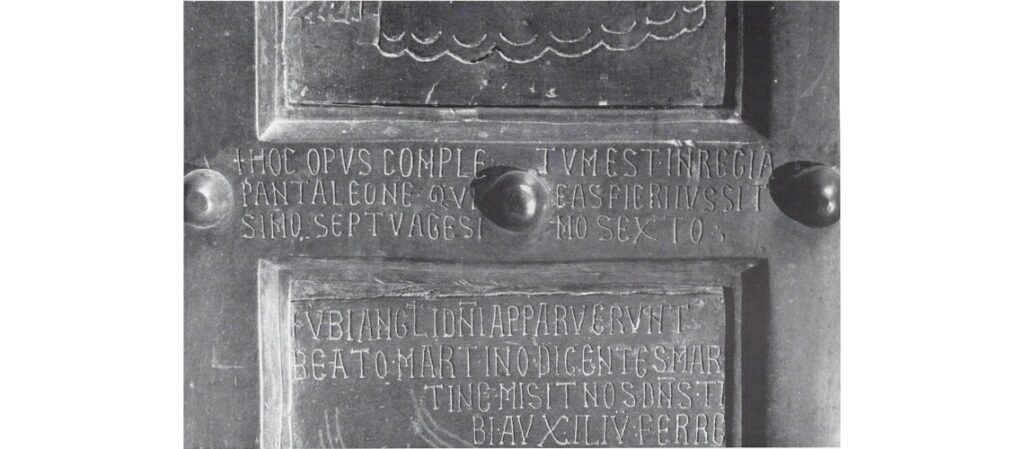
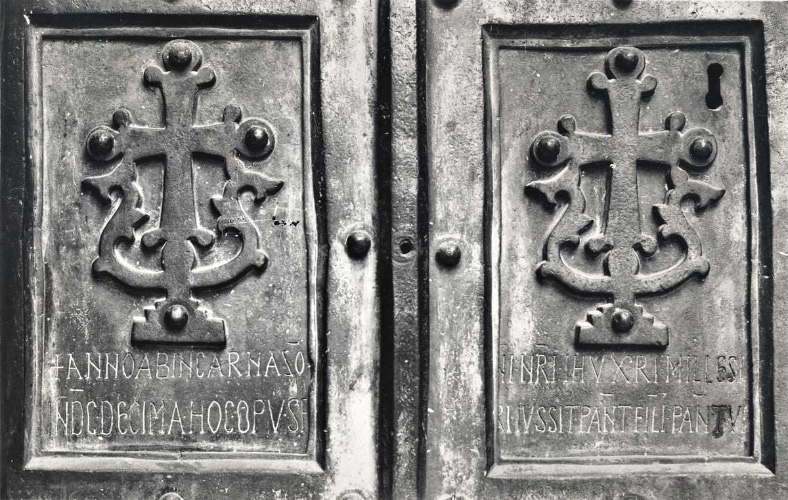
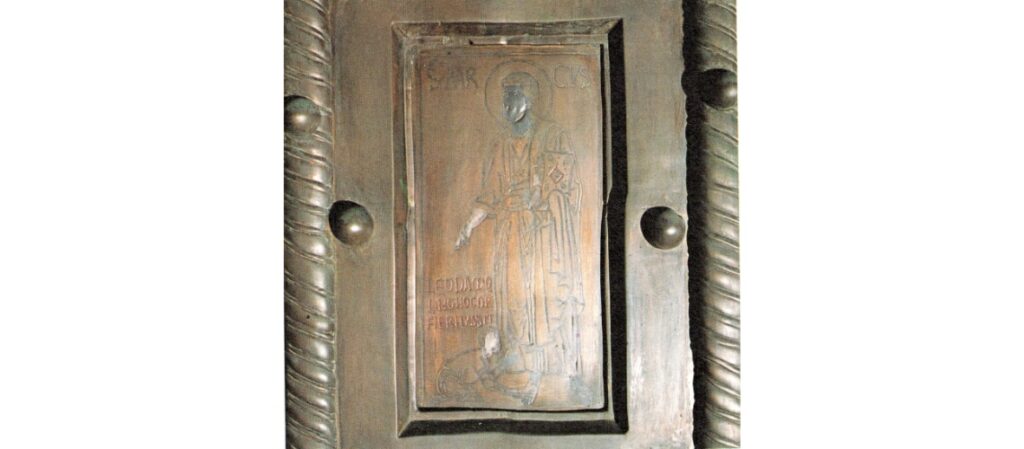
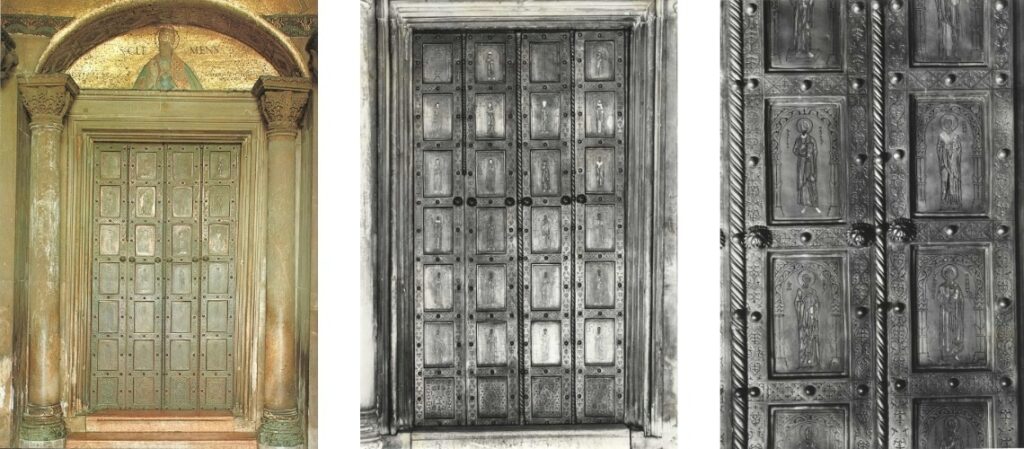
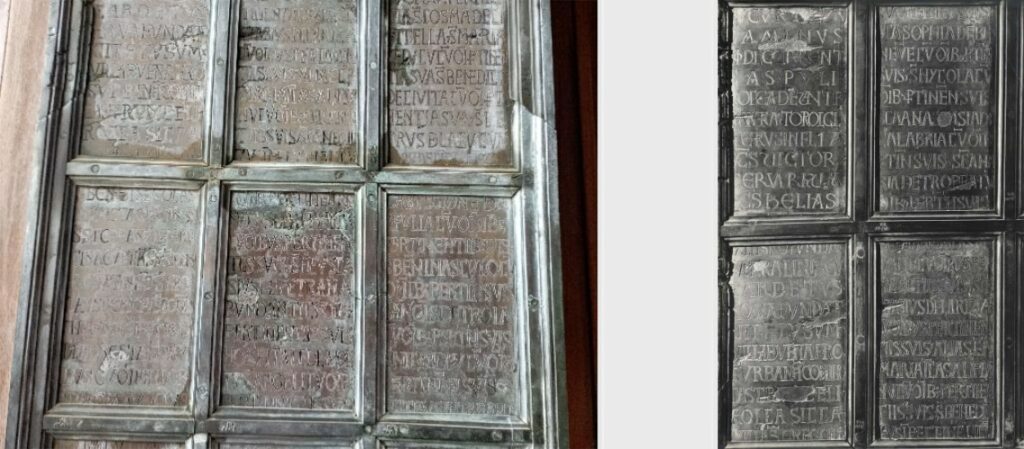
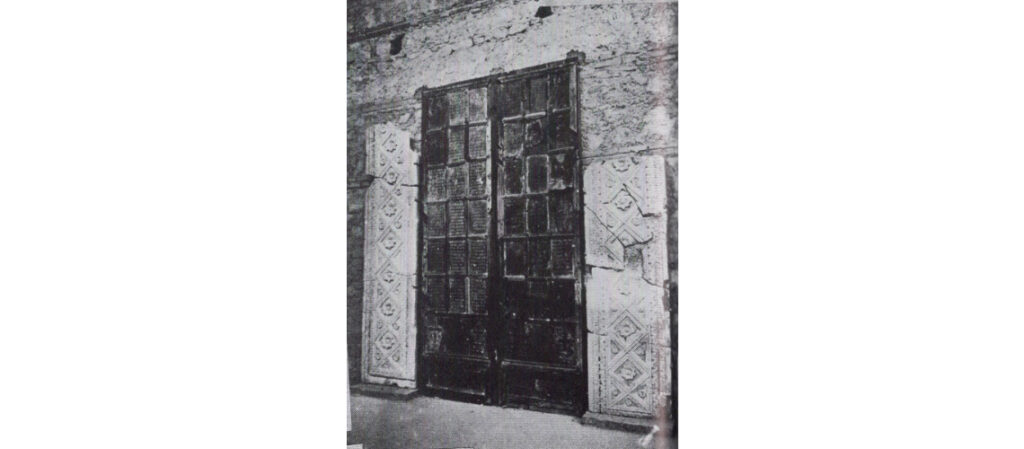
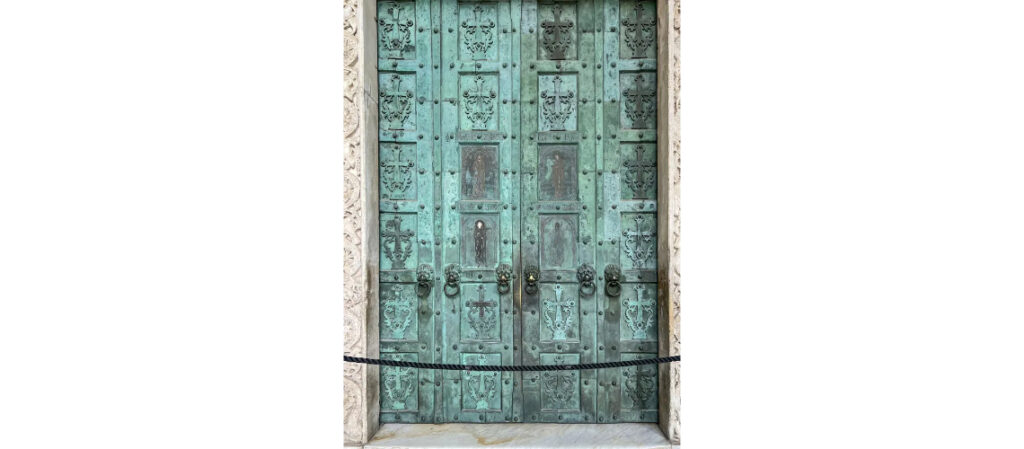
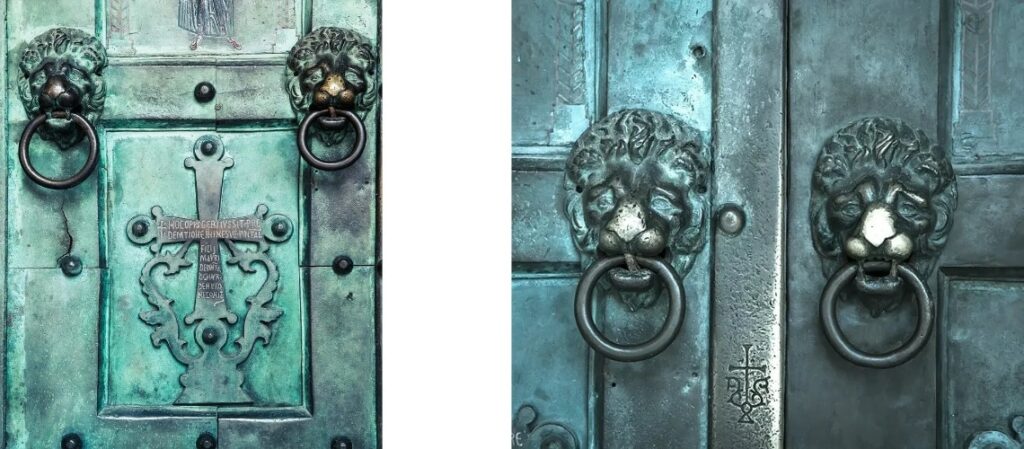
The Pisa Gate bears no inscription indicating its date of construction; the Monreale Gate bears the inscription “Anno D(omi)ni MCLXXXVI indicione III Bonannus civis pisanus me fecit” (Anno D(omi)ni MCLXXXVI indicione III Bonannus civis pisanus me fecit) at the bottom of the side, therefore it was installed in 1186.
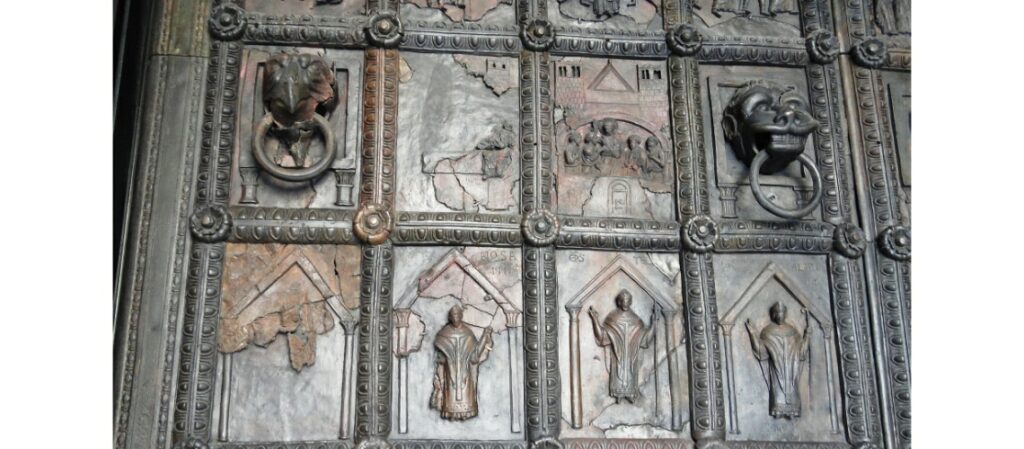
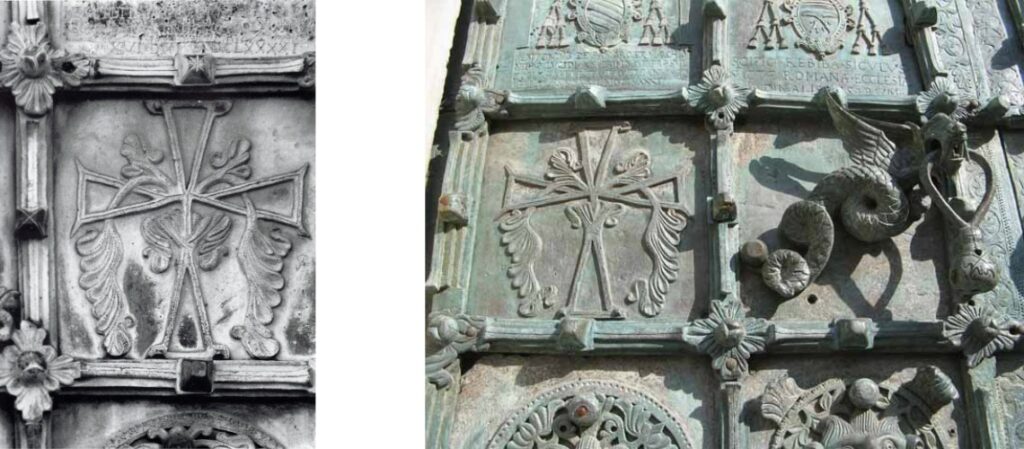
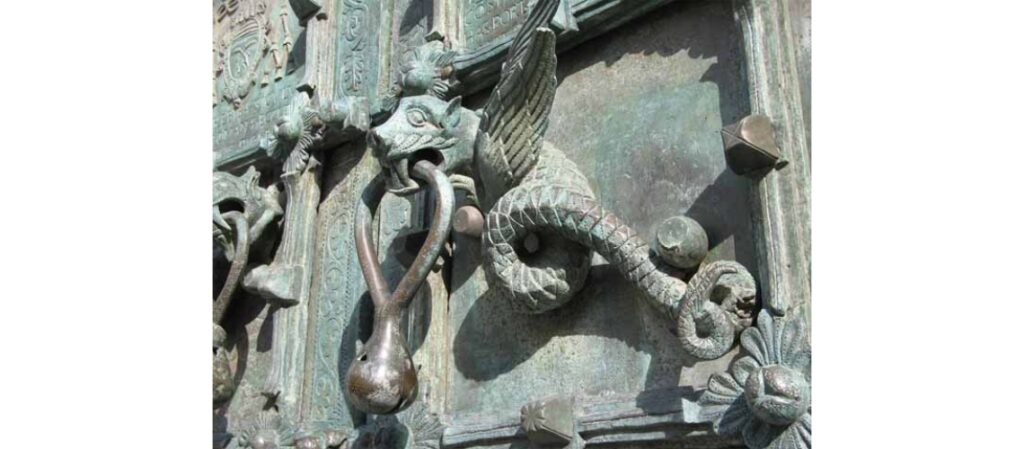
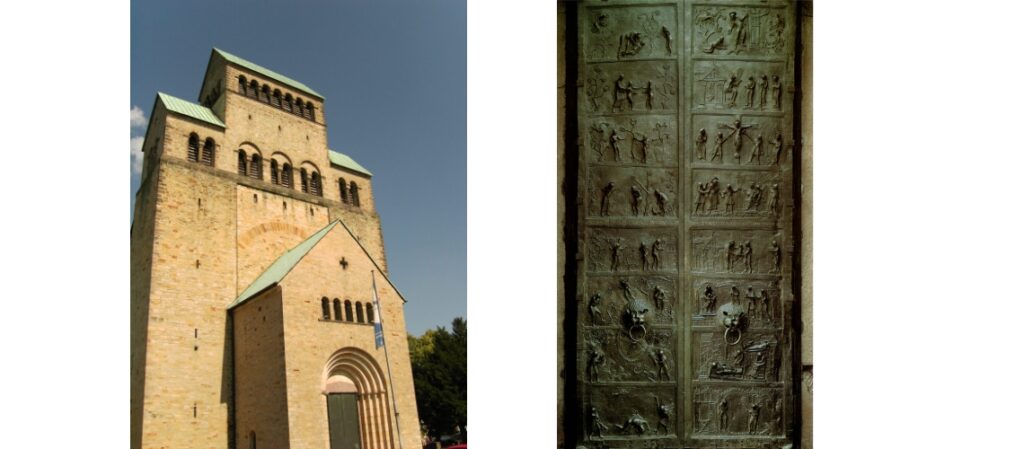
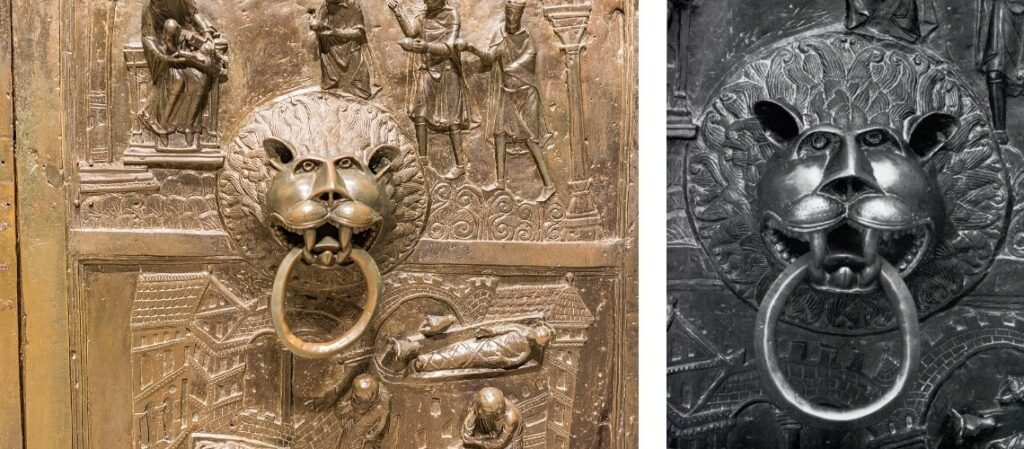
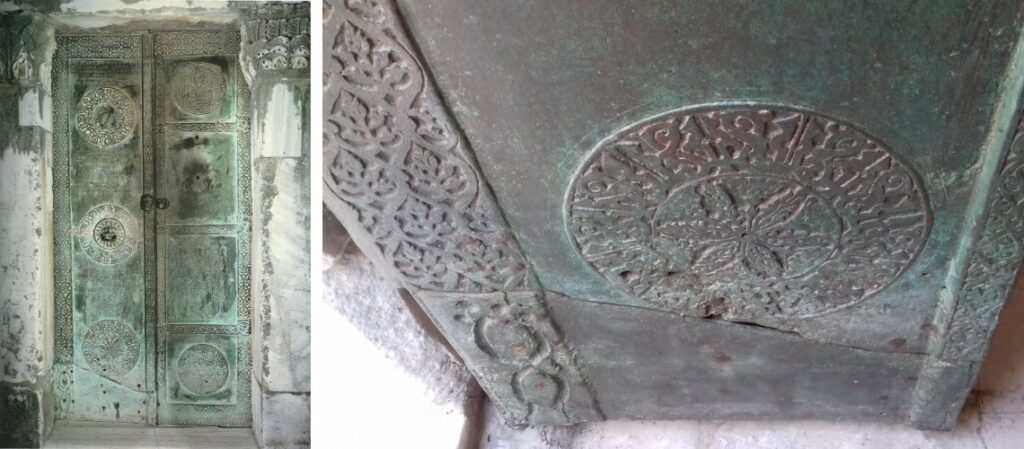
It is very likely that the Pisa Gate is earlier, dating back to around 1180. [Photo 4,5]
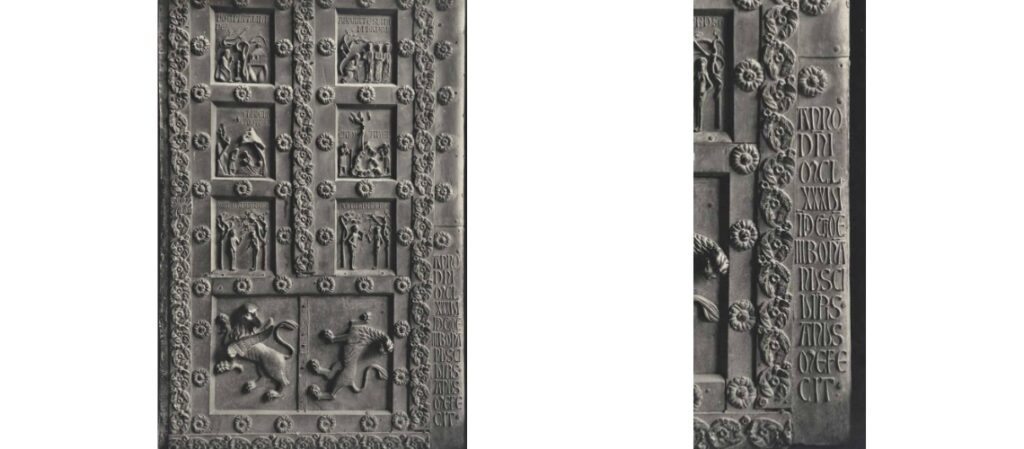
| 4-Gate of Monreale | 5-Gate of Monreale, detail |
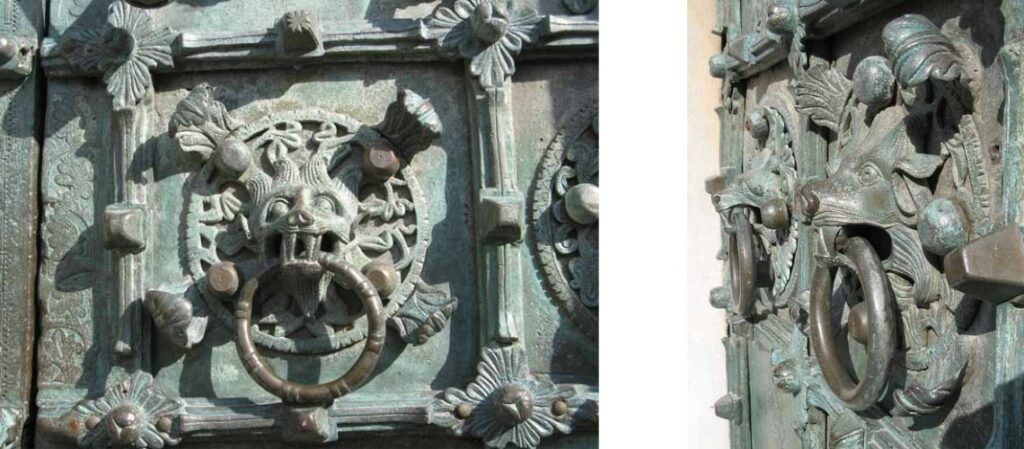
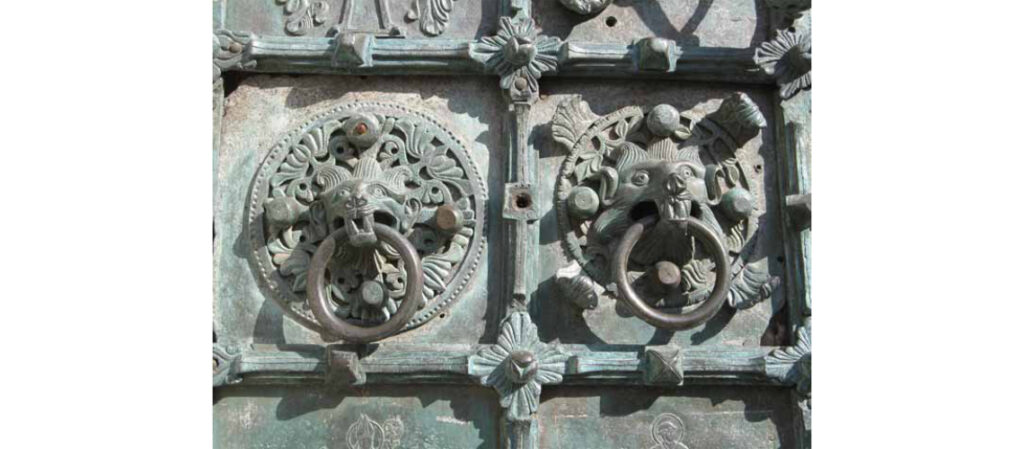
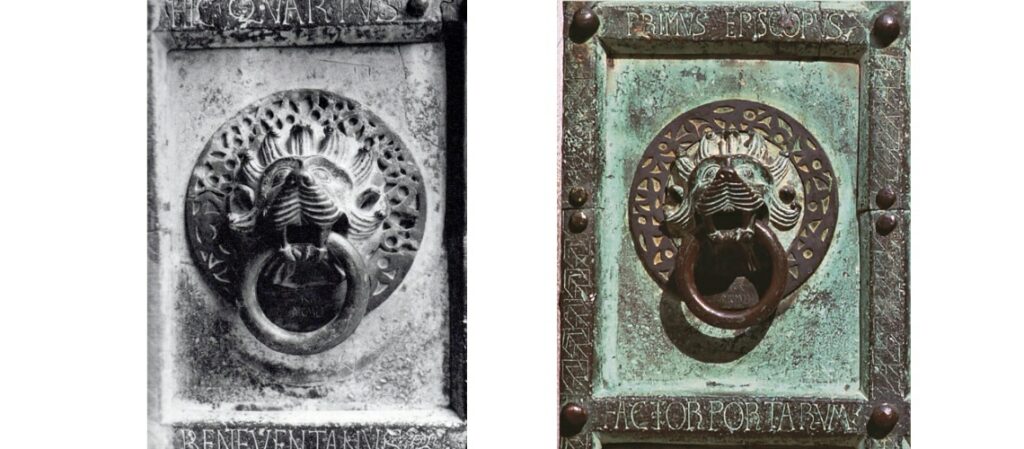
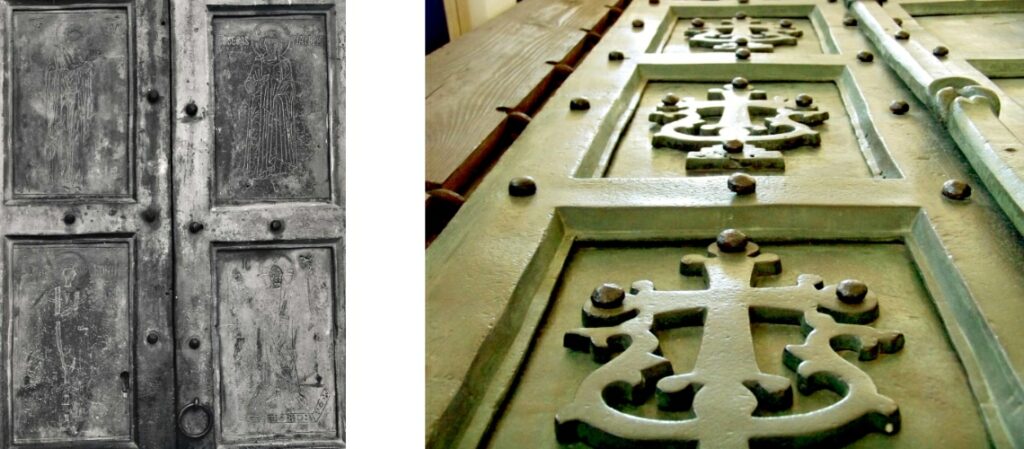
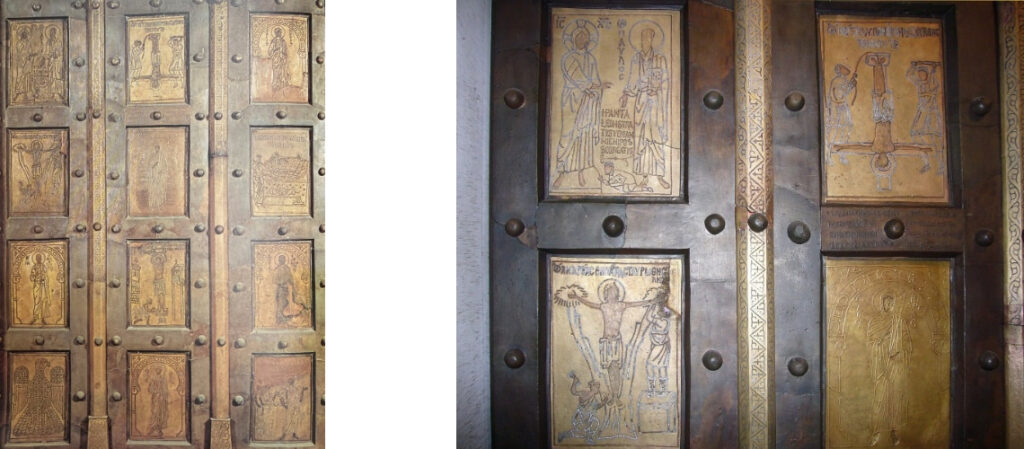
Both double doors were constructed using Byzantine techniques, using lost-wax bronze panels secured by bronze frames to a sturdy wooden support structure using iron nails hidden by bronze rosette protomes; twisted rope-shaped bronze pieces secure and conceal the joins between the frames. [Photo 6]
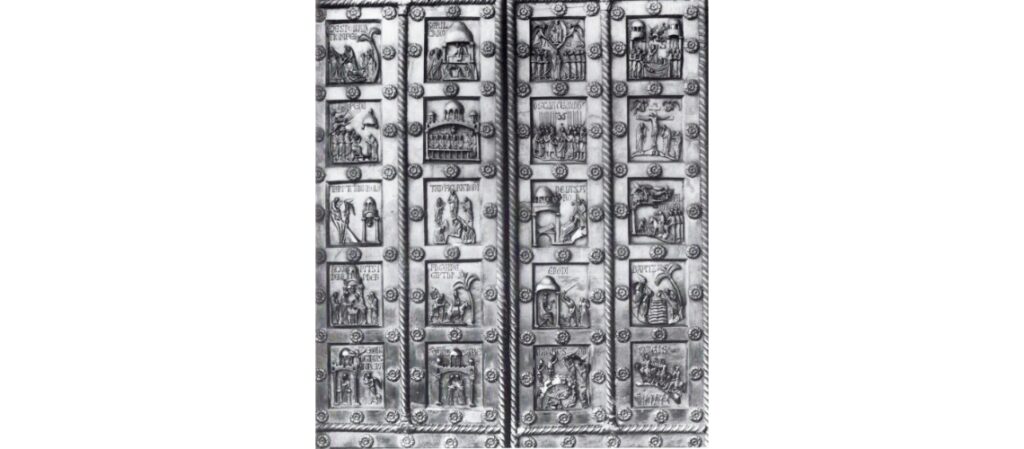
6-Gate of S. Ranieri, Pisa, detail
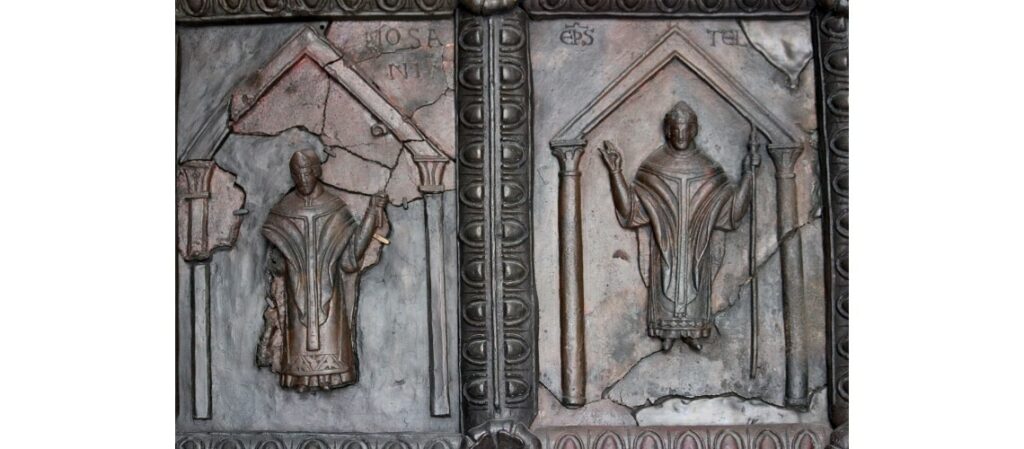
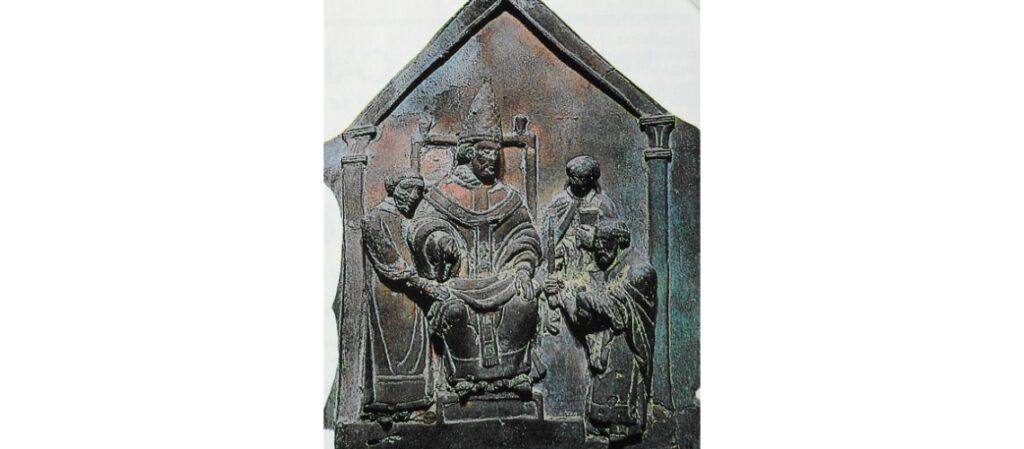
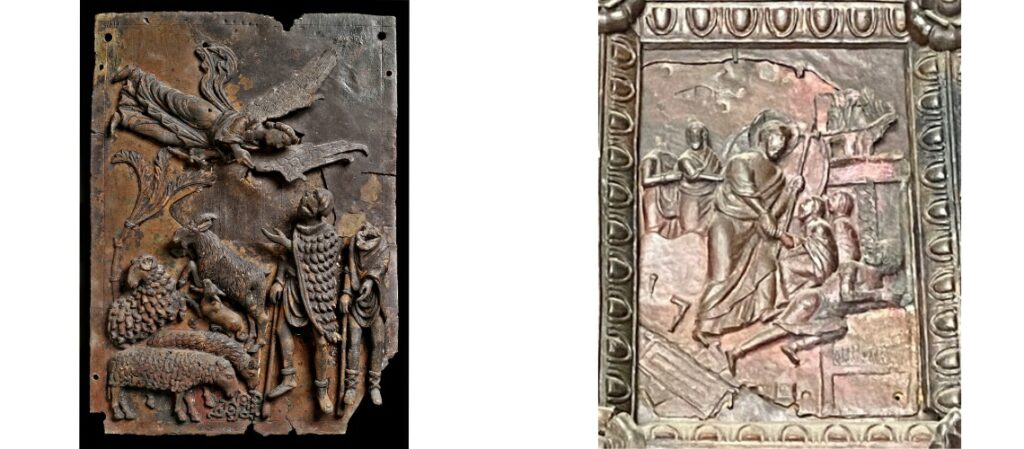
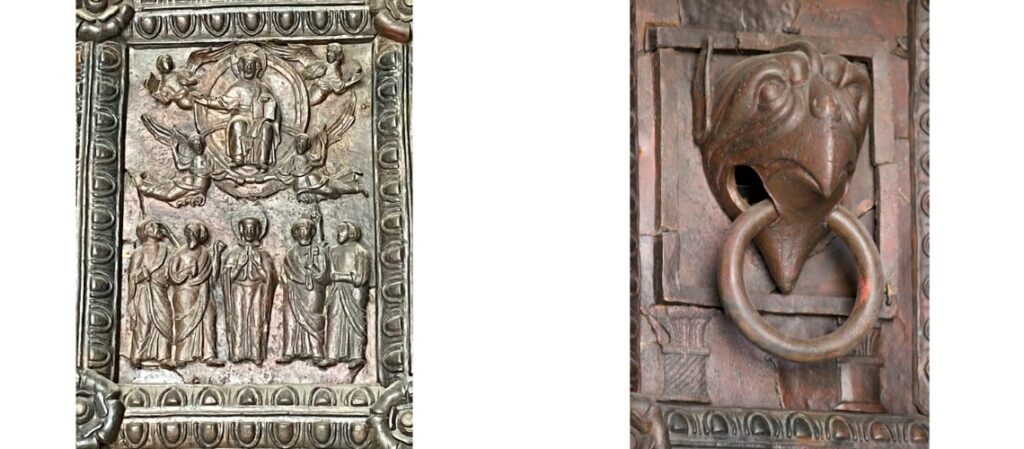
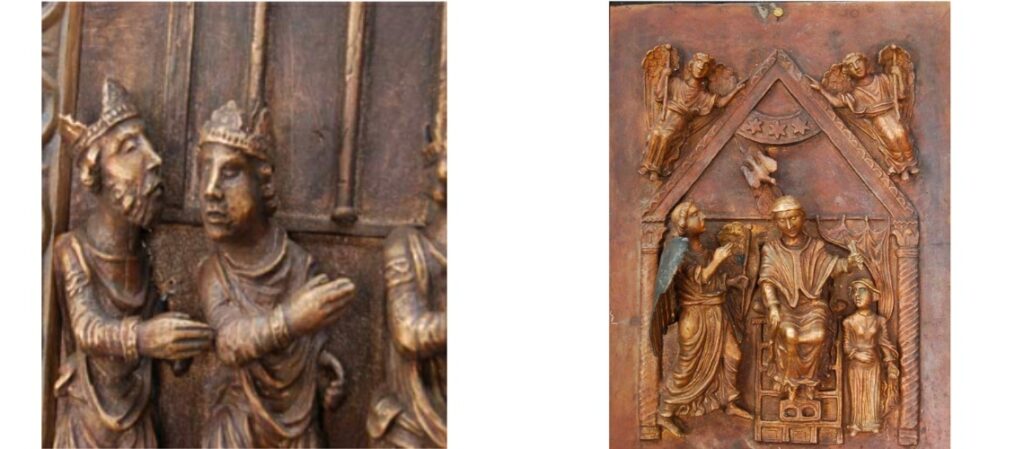
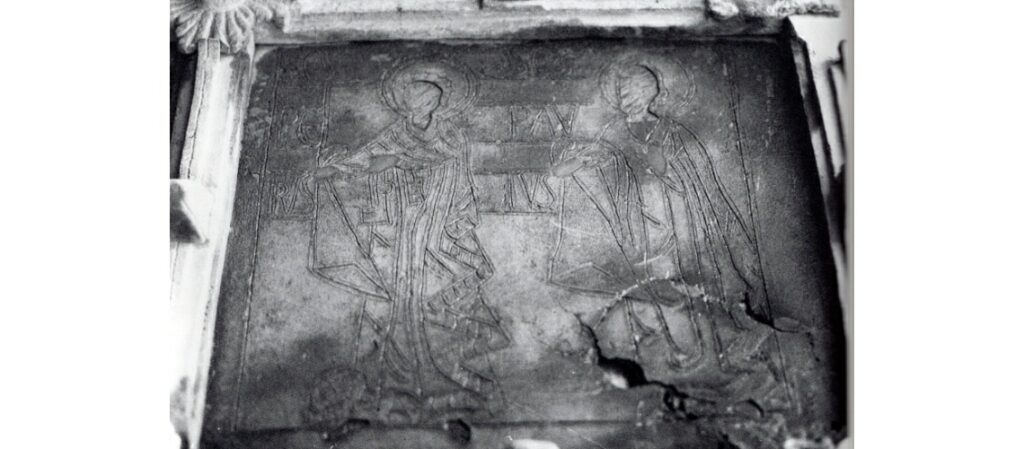
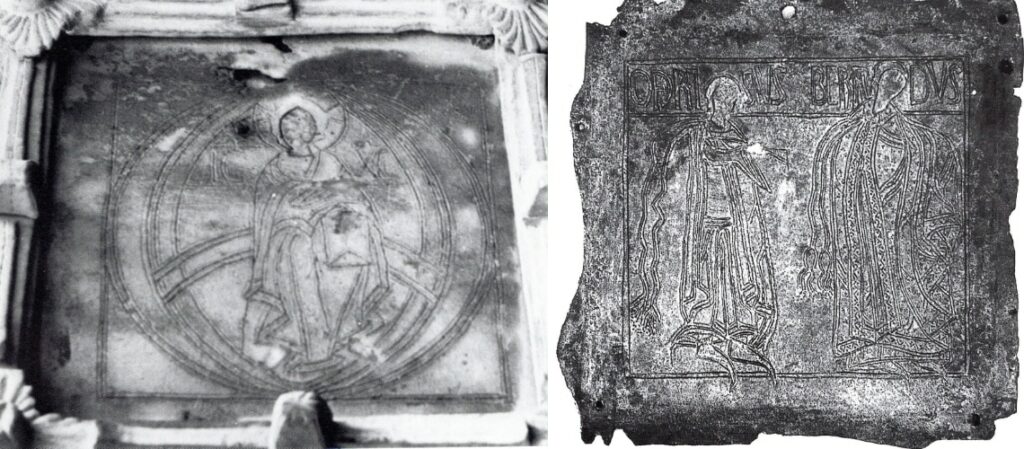
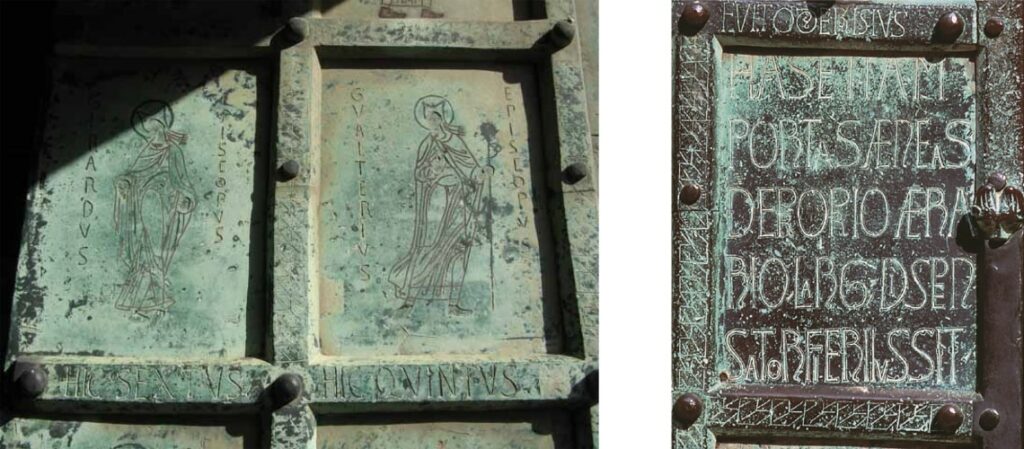
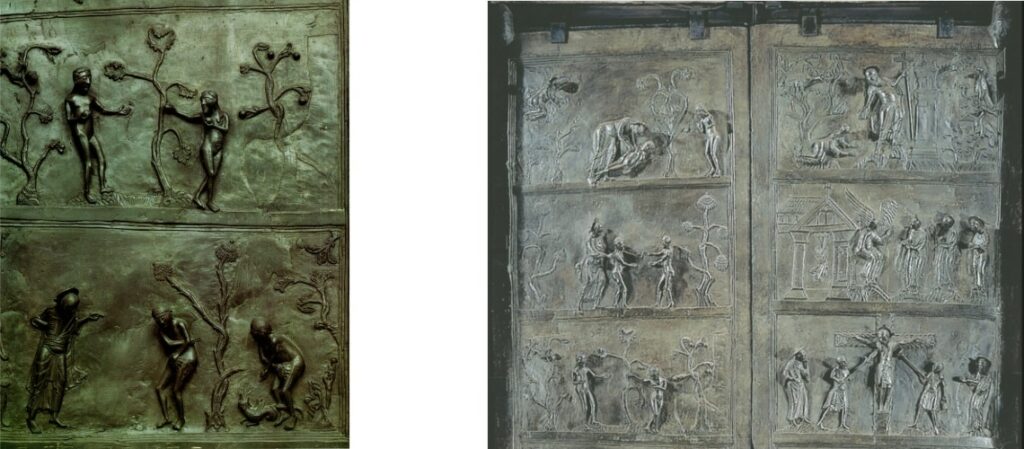
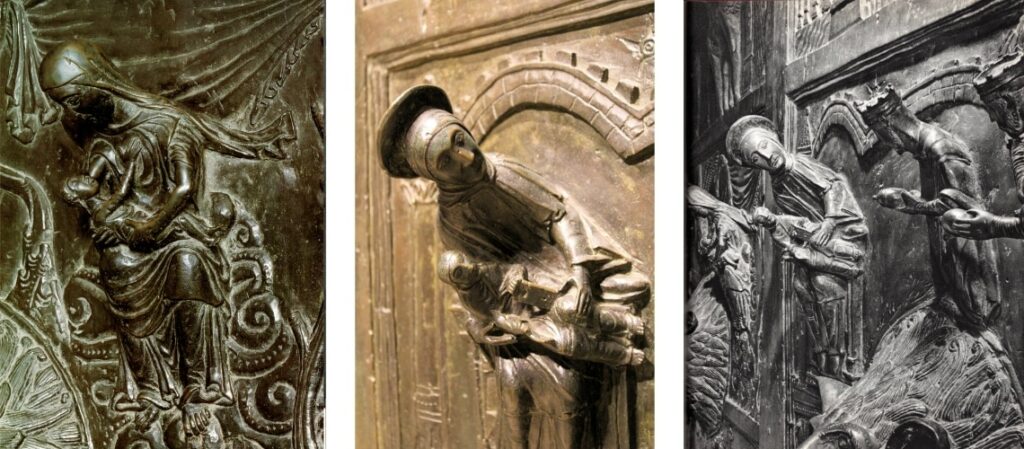
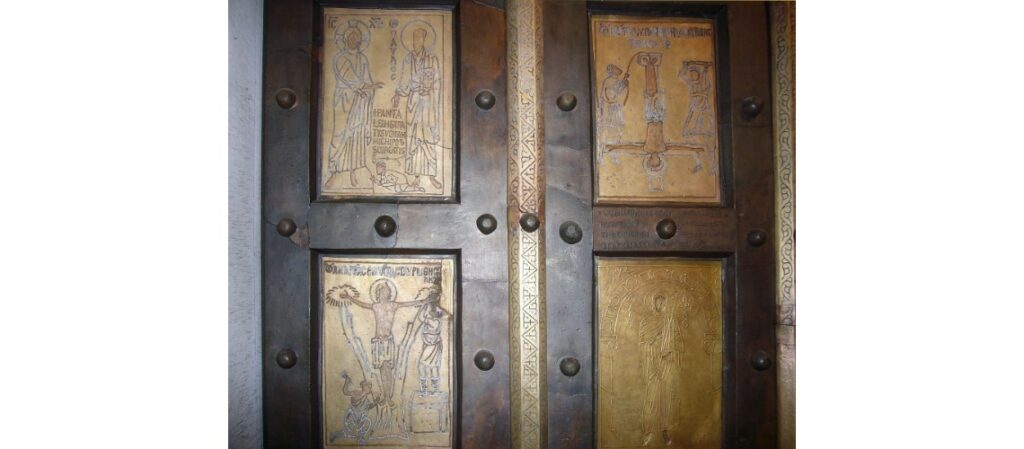
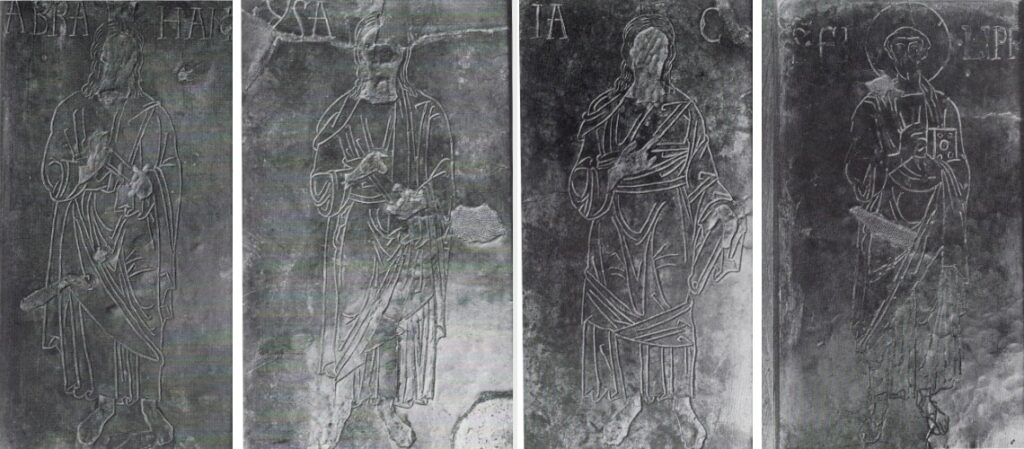
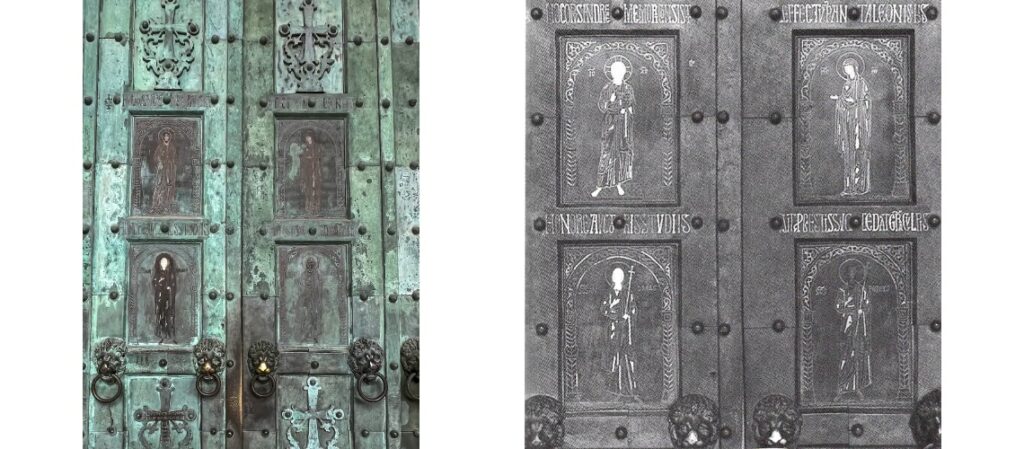
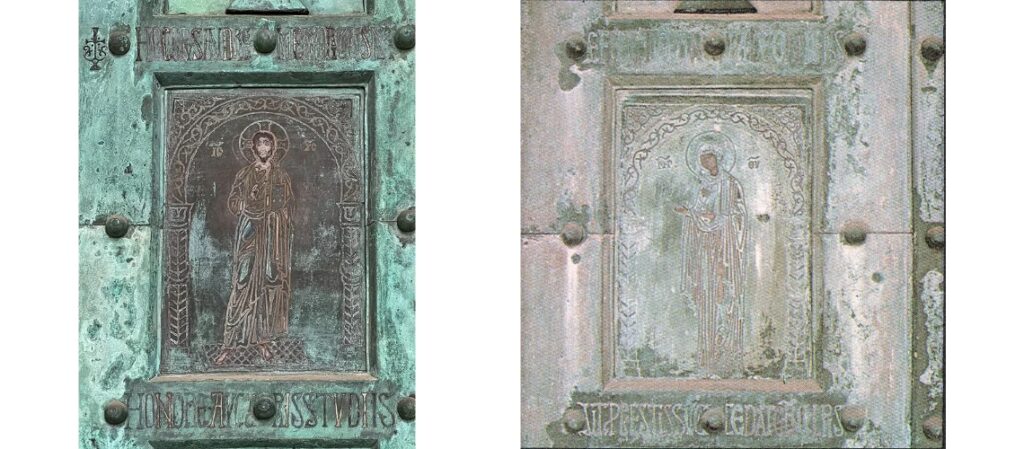
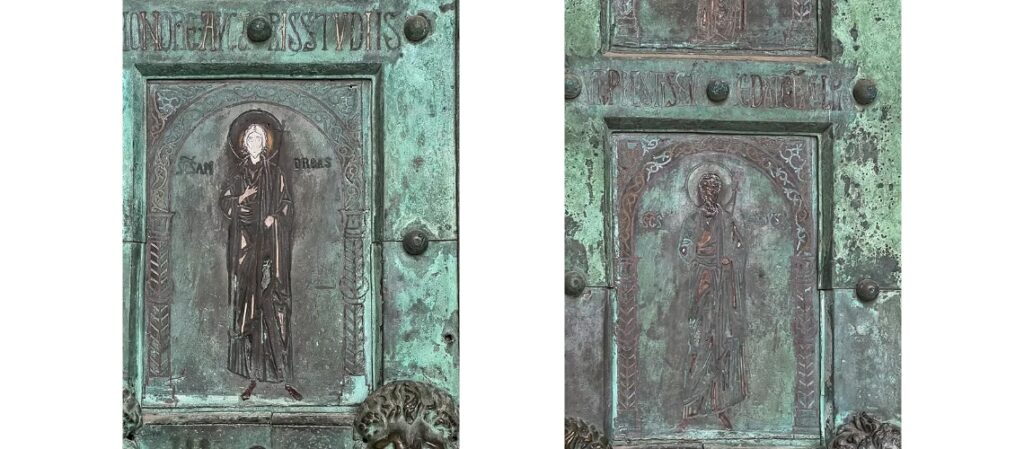
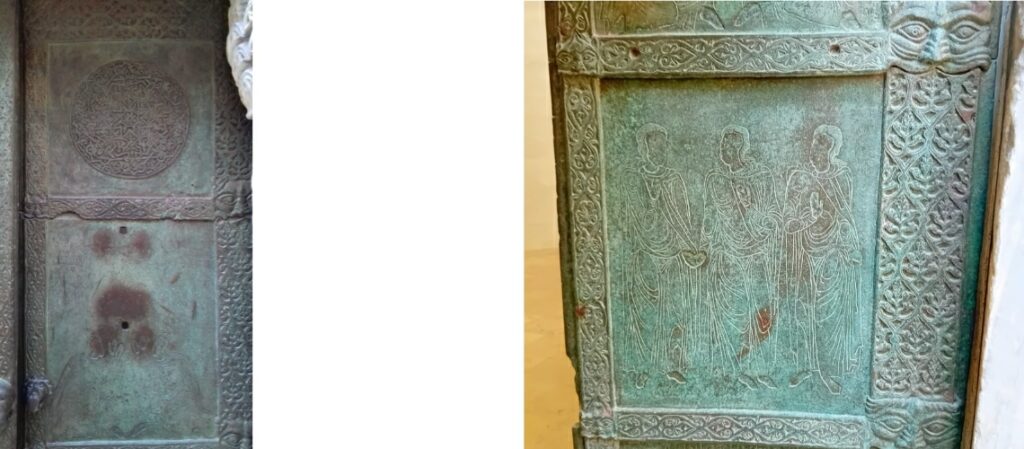
Each door of the Pisa Gate is composed of 10 slightly rectangular bronze panels, vertically aligned, and two large horizontal rectangular panels at the top and bottom. The subjects of the panels begin at the bottom; in both horizontal panels, at the bottom, there are six prophets among palm trees; in the upper left panels, Christ in Glory among the Angels; and, on the right, the Madonna Enthroned in Glory among the Angels. [Photos 7, 8, 9, 10]
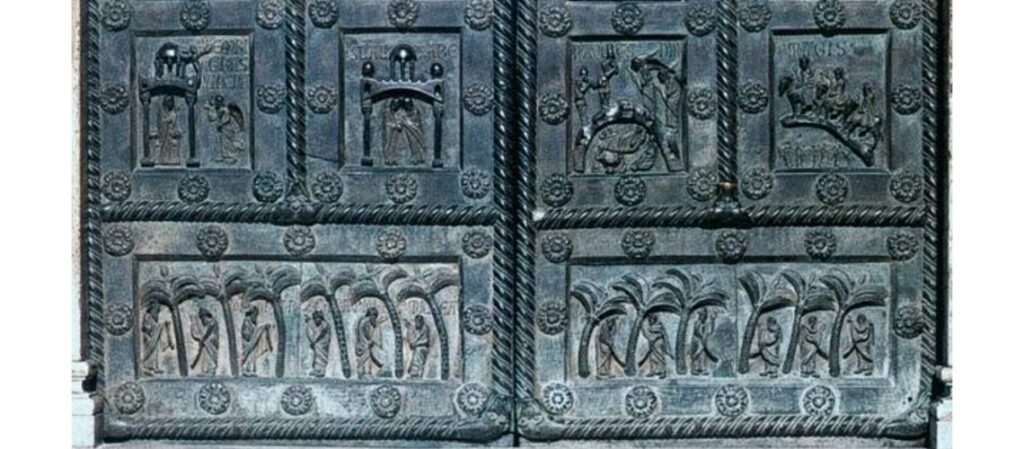
7-Gate of S. Ranieri, Pisa, detail
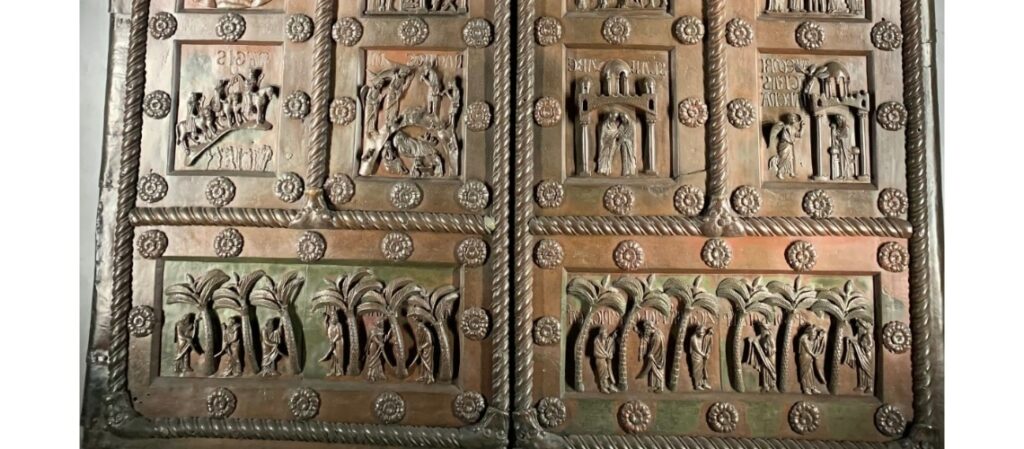
8-Gate of S. Ranieri, Pisa, detail
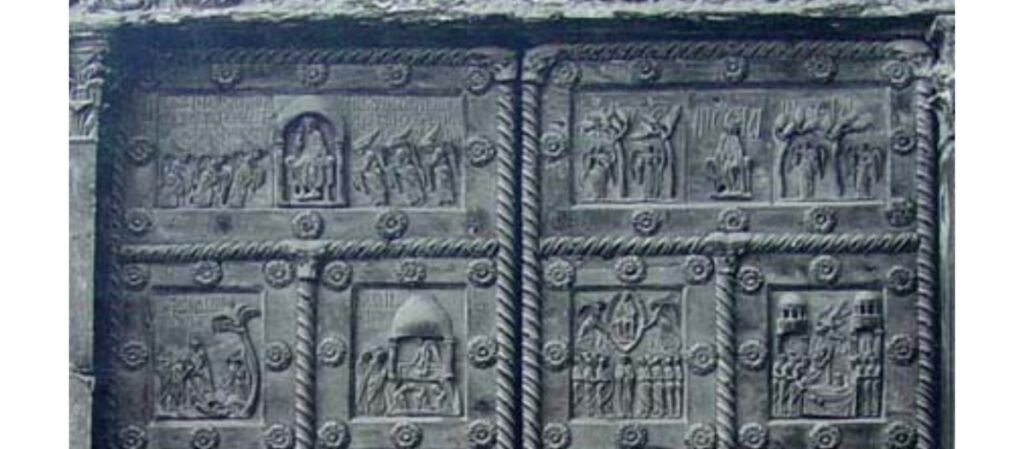
9-Gate of S. Ranieri, Pisa, detail
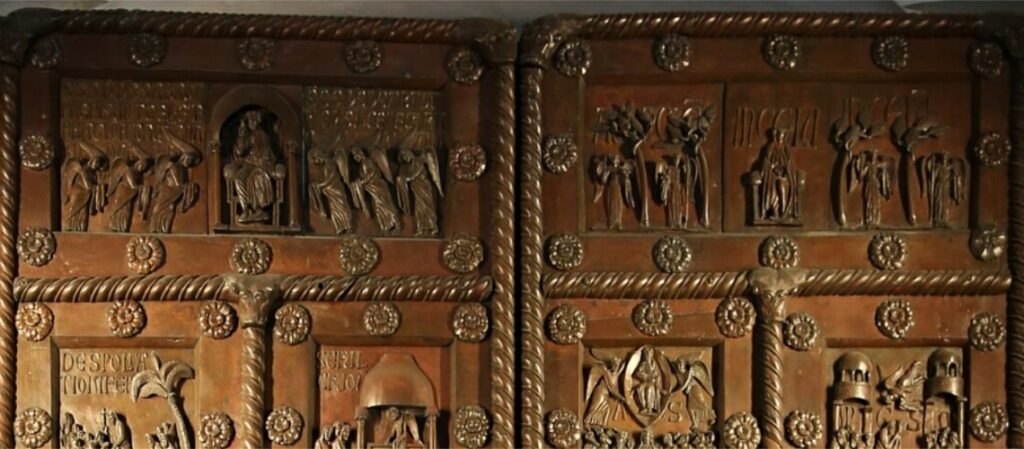
10-Gate of S. Ranieri, Pisa, detail
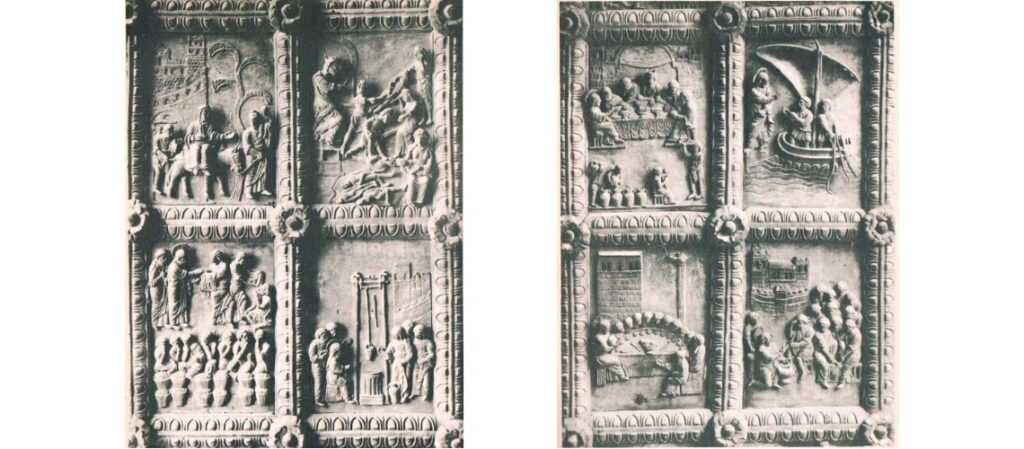
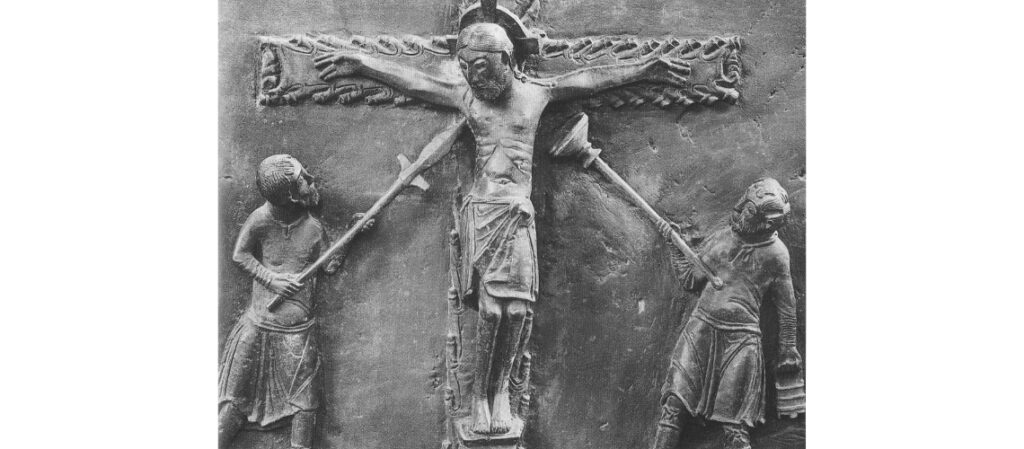
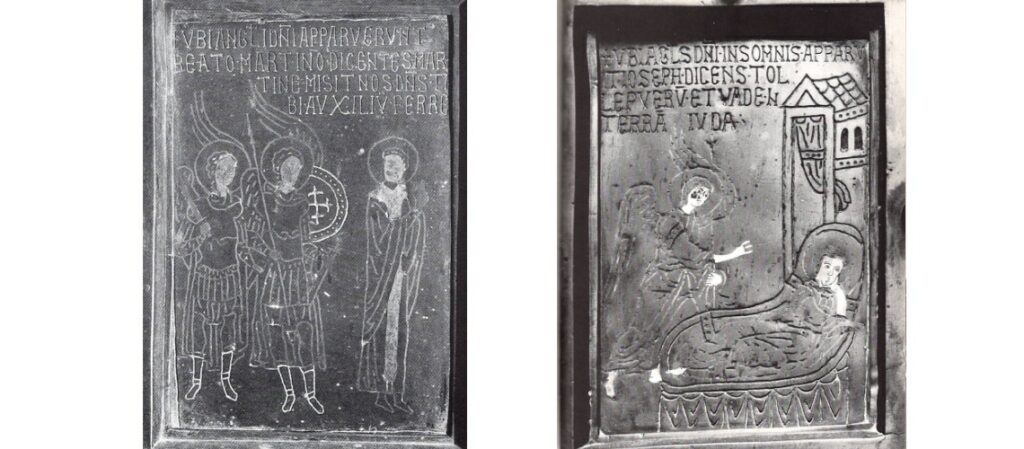
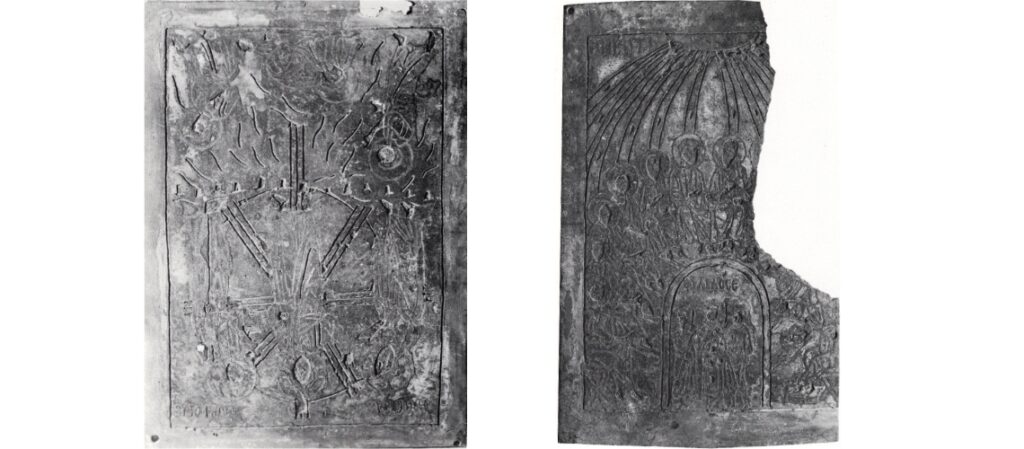
The 20 panels of the two doors feature scenes from the New Testament. These scenes, in particular, highlight Bonanno Pisano’s adoption of a new sculptural style for the Pisa Gate, featuring distinctly Byzantine formal characteristics (vertical rectangular panel, twisted rope). These characteristics are evident in each panel, including the composure and sense of proportion of the scenes, the self-sufficiency of the movements and gestures, and the restraint in the figures’ postures. However, unlike Byzantine culture, where the surfaces of the panels are smooth and engraved with niello, Bonanno uses bas-relief (inspired, if anything, by Byzantine ivories).
The iconography is also Western, which Bonanno reworks without dogmatic restraint, where Byzantine and Western elements complement each other (note, for example, the lack of halos, the presence of Jewish hats, the absence of the Star of Bethlehem, and Jesus’s positioning at the far right in the Last Supper, etc.). And it rightfully falls into the “Romanesque” style.
[Photos 11 to 19]
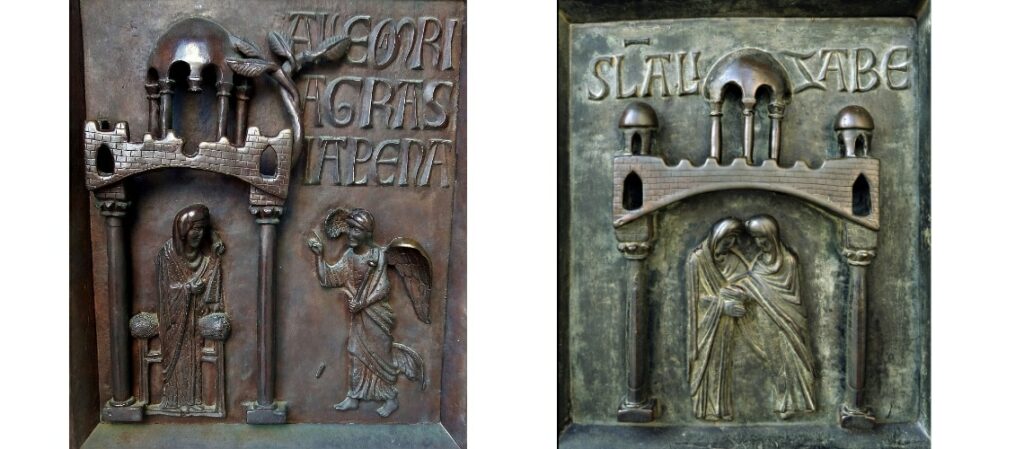
| 11-Annunciation | 12-Visitation |
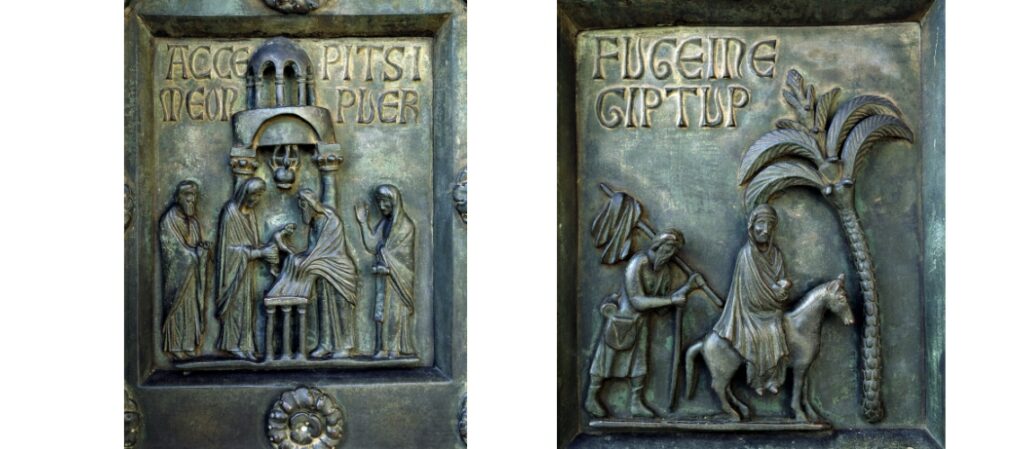
| 13-Presentation at the Temple | 14-Flight into Egypt |
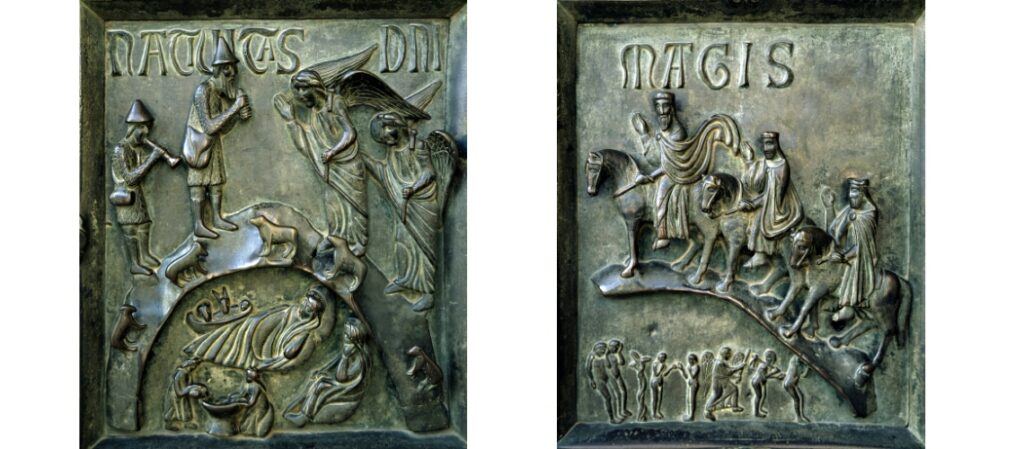
| 15-Nativity | 16-The Three Wise Men and Original Sin |
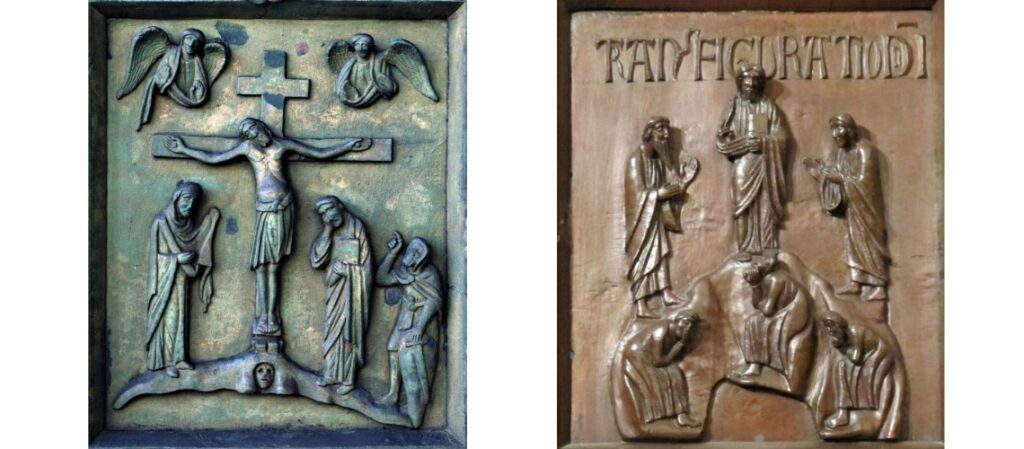
| 17-Crucifixion | 18-Transfiguration |
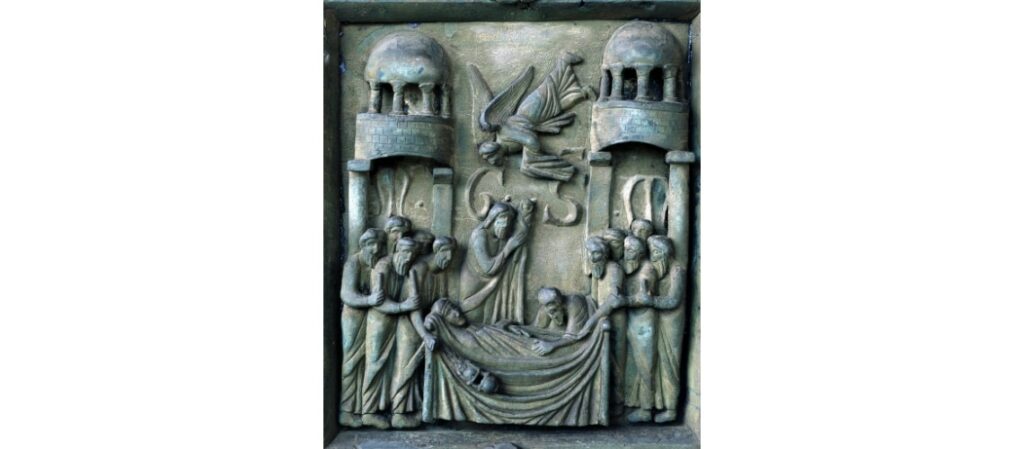
19-Death of the Virgin
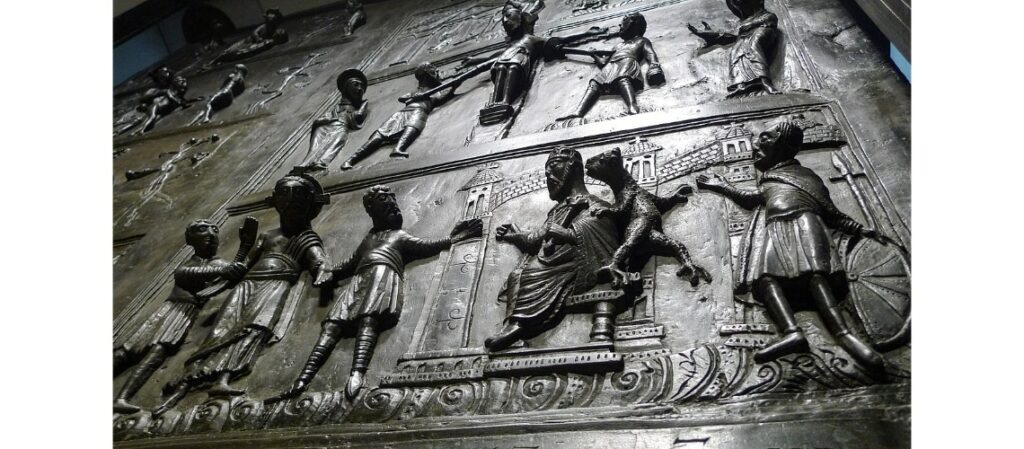
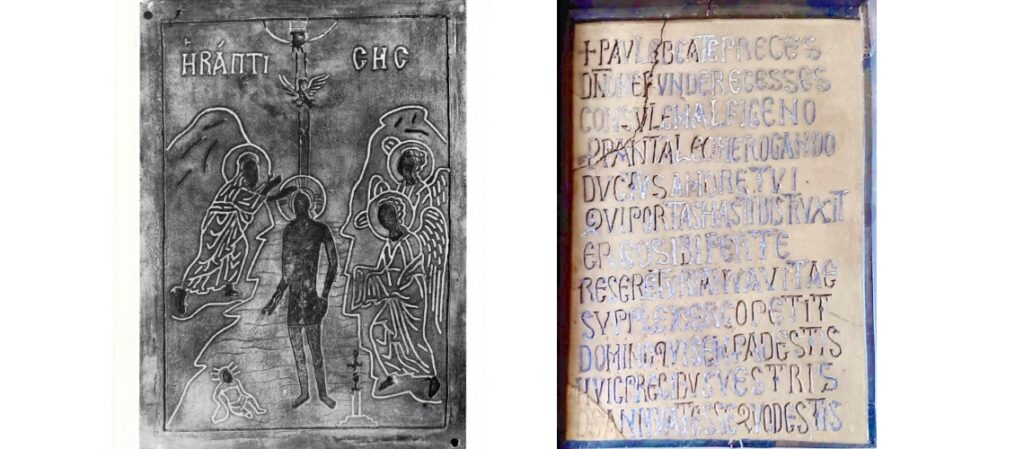
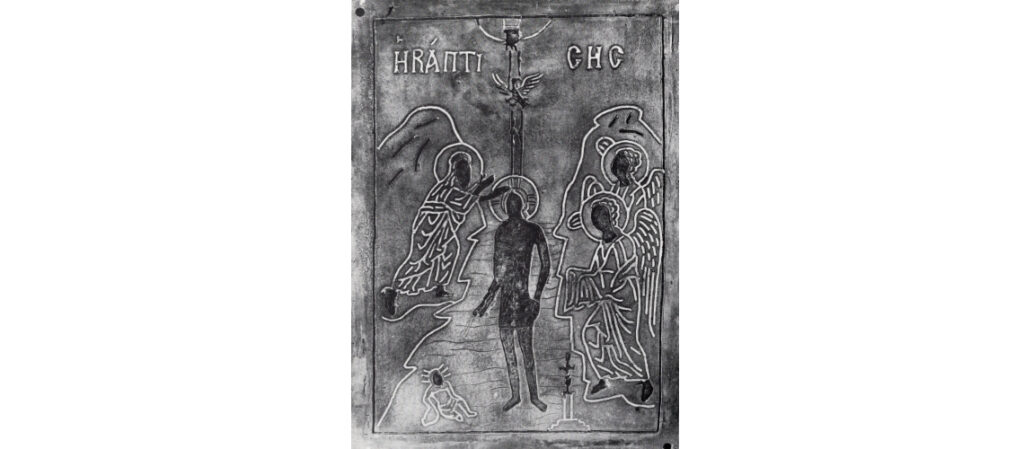
But Monreale and Palermo were not Pisa, the latter a free maritime republic open to the four winds, the former imperial centers closed to a very strong Byzantine influence; and someone, going to see the Pisa gate before giving the go-ahead for the Monreale gate, must have asked Bonanno to return to a culture of widely accepted Byzantine forms (and also to put back in the Monreale gate all the halos that Pisa lacked, as can be seen in the panel of the Baptism of Christ), having Bonanno model the Sicilian gate more “classically”. [Photo 20]
20-Monreale Gate, Baptism of Christ panel